


Are there any restrictions on the color of a gas pipe?
As a gas pipe supplier, I often encounter various questions from clients, and one that frequently comes up is about the color restrictions of gas pipes. This topic is not only interesting but also crucial as it involves safety, identification, and regulatory compliance.
The Importance of Gas Pipe Color
The color of a gas pipe is not just a matter of aesthetics; it serves several important functions. Firstly, it helps in easy identification. In a complex industrial or residential setting, different types of pipes are used for various purposes such as water supply, sewage, and gas. By having distinct colors for gas pipes, workers and maintenance personnel can quickly recognize them, reducing the risk of accidental damage or incorrect handling.
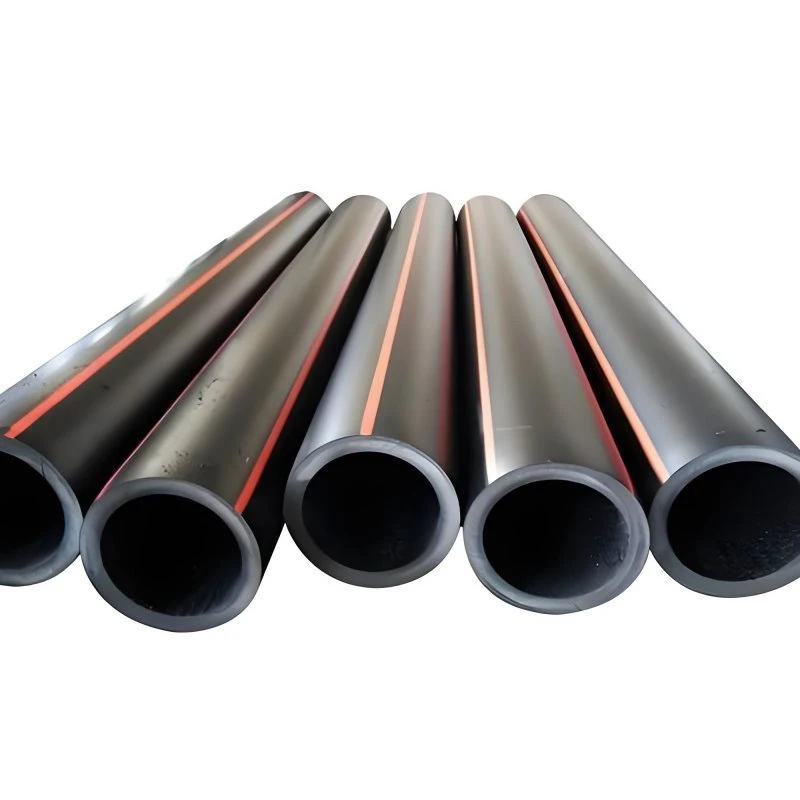

Secondly, color coding is closely related to safety. Gas is a potentially dangerous substance, and proper identification of gas pipes can prevent mix - ups that could lead to gas leaks, explosions, or other hazardous situations. For example, if a worker accidentally cuts into a gas pipe thinking it is a water pipe, the consequences could be catastrophic.
Regulatory Requirements for Gas Pipe Color
In many countries and regions, there are specific regulations regarding the color of gas pipes. These regulations are put in place to ensure uniformity and safety across the industry.
In the United States, for instance, the American National Standards Institute (ANSI) and the National Fire Protection Association (NFPA) have established standards for pipe color coding. According to these standards, natural gas pipes are typically yellow. This bright and distinct color makes them easily visible, even in low - light conditions or when buried underground. The yellow color also stands out against other common pipe colors, such as blue for water pipes and black for sewage pipes.
In Europe, the color requirements may vary slightly from country to country, but there is a general trend towards using specific colors for gas pipes. For example, in the UK, gas pipes are often colored yellow as well, following similar safety and identification principles.
Exceptions and Special Cases
While there are general color requirements, there can be exceptions and special cases. Some industrial applications may require the use of gas pipes in specific environments where the standard color may not be suitable. In such cases, additional markings or identification methods may be used in conjunction with the pipe color.
For example, in some chemical plants or areas with high - visibility requirements, gas pipes may be painted with reflective or fluorescent colors to enhance their visibility. However, these exceptions are usually subject to strict regulatory approval and must still meet the overall safety and identification requirements.
Our Gas Pipe Products and Color Compliance
As a gas pipe supplier, we are fully aware of the importance of color compliance. All our gas pipes are manufactured in strict accordance with the relevant national and international standards. Whether you are looking for HDPE Pipe for Natural Gas Service, Electrofusion Gas Pipe, or HDPE Gas Transmission Pipe, you can be assured that they will come in the appropriate color for easy identification and safety.
Our HDPE pipes for natural gas service are made from high - quality materials and are colored yellow to meet the standard requirements. The electrofusion gas pipes we offer also follow the same color - coding regulations, ensuring that they can be easily integrated into any gas distribution system. And our HDPE gas transmission pipes, which are designed for long - distance gas transportation, are also colored according to the industry standards.
Quality Assurance in Color Application
In addition to meeting the color requirements, we also pay great attention to the quality of the color application. The color on our gas pipes is not just a simple paint job; it is a carefully formulated coating that is resistant to weathering, corrosion, and abrasion.
We use advanced coating technologies to ensure that the color remains vibrant and visible throughout the lifespan of the pipe. This means that even after years of exposure to harsh environmental conditions, the color of our gas pipes will not fade or peel off, maintaining their safety and identification functions.
Future Trends in Gas Pipe Color
As technology and safety requirements continue to evolve, we may see some changes in the future regarding gas pipe color. For example, with the development of smart infrastructure, there may be a need for gas pipes to be equipped with additional visual or electronic identification features.
In addition, as environmental concerns become more prominent, there may be a shift towards using more environmentally friendly coating materials for pipe coloring. However, regardless of these future changes, the fundamental principles of safety and identification through color coding will remain the same.
Conclusion and Call to Action
In conclusion, there are indeed restrictions on the color of a gas pipe, and these restrictions are in place for good reasons. As a gas pipe supplier, we are committed to providing high - quality gas pipes that meet all the relevant color and safety standards.
If you are in the market for gas pipes, whether for a small residential project or a large - scale industrial application, we invite you to contact us for more information. Our team of experts is ready to assist you in choosing the right gas pipes for your specific needs. We can provide detailed product specifications, pricing information, and technical support to ensure that your gas pipe installation is safe, efficient, and compliant with all regulations.
References
- American National Standards Institute (ANSI) standards on pipe color coding.
- National Fire Protection Association (NFPA) guidelines for gas pipe safety and identification.
- European Union regulations on gas pipe installation and color requirements.


