


Hey there! As a gas pipe supplier, I've been in the business long enough to know that when it comes to gas pipes in earthquake - prone areas, there are some seriously special considerations. Let's dig into this topic.
First off, safety is the name of the game. Earthquakes can cause all sorts of chaos, like ground shaking, soil liquefaction, and fault displacement. These events can put a huge amount of stress on gas pipes. If the pipes aren't up to the task, it can lead to gas leaks, which are not only a fire and explosion hazard but also a risk to human health due to the release of harmful gases.
One of the key factors we need to consider is the material of the gas pipes. Traditional metal pipes, like steel, have been used for a long time. They're strong, but they can be brittle during an earthquake. When the ground moves, the pipes may crack or break, especially at joints. That's where modern materials come in handy.
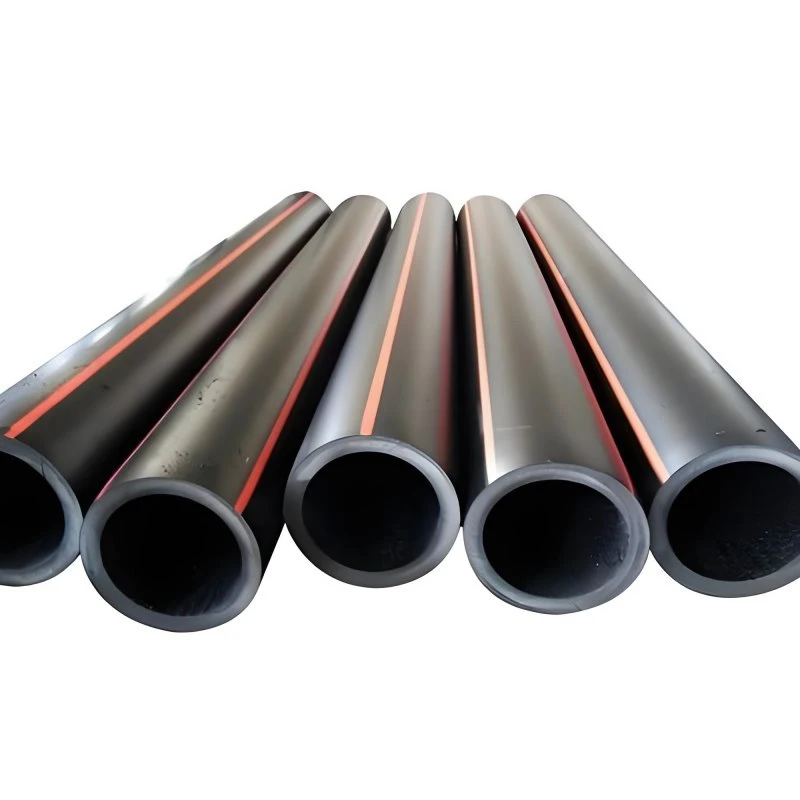
High - density polyethylene (HDPE) pipes are a great alternative. HDPE pipes are flexible, which means they can bend and stretch with the movement of the ground during an earthquake. This flexibility reduces the risk of cracking and breaking. For instance, our HDPE Gas Transmission Pipe is designed to withstand the stresses of seismic activity. It has excellent impact resistance and can handle the sudden movements that earthquakes bring.
Another important aspect is the installation method. In earthquake - prone areas, we can't just install gas pipes like we do in stable regions. We need to use special techniques to ensure the pipes are well - secured. For example, using flexible connectors at pipe joints can allow for some movement without causing damage. These connectors act as shock absorbers, taking the brunt of the seismic forces.
Electrofusion is a great installation method for gas pipes in these areas. With electrofusion, the pipes are joined together by melting the plastic using an electric current. This creates a strong, seamless joint that is more resistant to the forces exerted during an earthquake. Our Electrofusion Gas Pipe uses this advanced technology, providing a reliable connection that can stand up to seismic activity.
The size of the gas pipes also matters. Smaller pipes may be more flexible, but they may not be able to supply enough gas for larger buildings or industrial applications. On the other hand, larger pipes are more rigid and may be more prone to damage during an earthquake. A proper balance needs to be struck. Our 2 Inch Poly Gas Pipe is a popular choice as it offers a good combination of flexibility and gas - carrying capacity.
In addition to the pipes themselves, the infrastructure around them is crucial. Gas pipes need to be supported properly. This can involve using seismic - resistant brackets and hangers that can hold the pipes in place during an earthquake. The pipes should also be buried at an appropriate depth. Burying the pipes deeper can provide some protection from surface - level ground movements.
Monitoring systems are also essential in earthquake - prone areas. We need to be able to detect any gas leaks as soon as possible. Modern monitoring systems can use sensors to detect changes in gas pressure and flow. If a leak is detected, the system can automatically shut off the gas supply, preventing a potential disaster.
Regular inspections are a must. After an earthquake, even if there are no obvious signs of damage, the gas pipes should be thoroughly inspected. Cracks or weak spots may not be visible immediately, but they can develop into serious problems over time. Inspections can help identify these issues early and allow for timely repairs.
When it comes to choosing the right gas pipes for earthquake - prone areas, it's not just about the product itself. It's also about the support and expertise that comes with it. As a gas pipe supplier, we offer not only high - quality pipes but also technical advice on installation, maintenance, and safety.
We understand that every project is unique, and we work closely with our customers to ensure they get the best solution for their specific needs. Whether it's a small residential building or a large commercial complex, we have the products and knowledge to make sure the gas pipes are safe and reliable in earthquake - prone areas.
If you're looking for gas pipes for an earthquake - prone area, don't hesitate to get in touch. We're here to help you make the right choices and ensure the safety of your gas supply. Whether you need advice on product selection, installation, or maintenance, our team of experts is ready to assist you. Just reach out, and let's start a conversation about how we can meet your gas pipe needs.
References

- American Society of Civil Engineers (ASCE). Seismic Design of Pipelines.
- International Association of Plumbing and Mechanical Officials (IAPMO). Codes and Standards for Gas Piping in Seismic Areas.
- Plastics Pipe Institute (PPI). Technical Information on HDPE Pipes for Seismic Applications.


