


Can a gas pipe be used in a high - traffic area? This is a question that often arises in the planning and implementation of gas distribution systems. As a gas pipe supplier, I have encountered this query numerous times from clients, contractors, and engineers. In this blog, I will delve into the feasibility, challenges, and solutions related to using gas pipes in high - traffic areas.
Feasibility of Using Gas Pipes in High - Traffic Areas
First and foremost, it is indeed possible to use gas pipes in high - traffic areas. However, this requires careful consideration of various factors. High - traffic areas can include busy city streets, industrial zones with heavy vehicle movement, and areas near ports or railway stations. The key to making this feasible lies in selecting the right type of gas pipe and ensuring proper installation and maintenance.

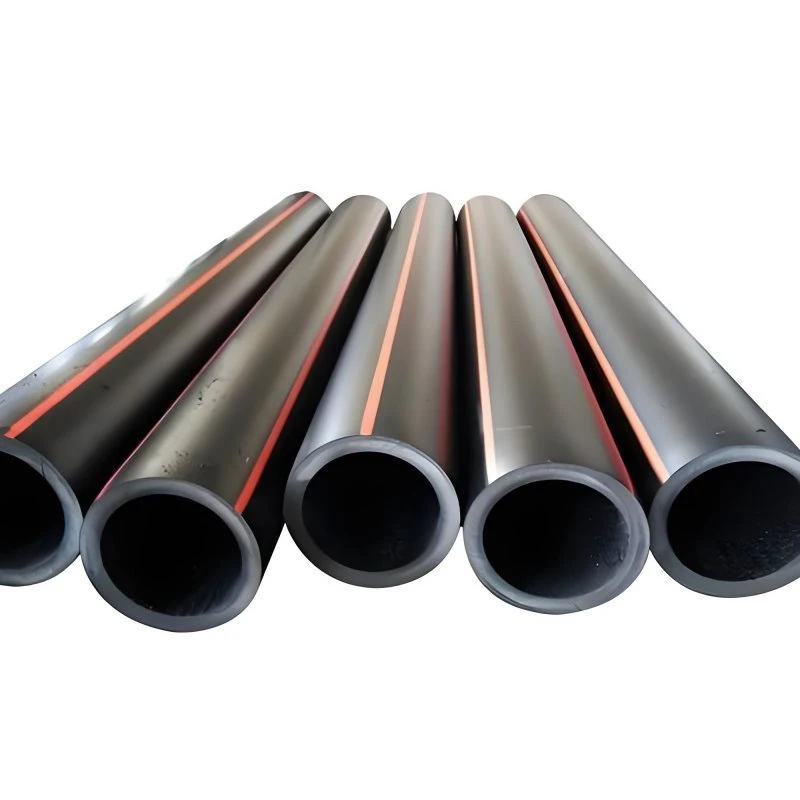
One of the most suitable types of gas pipes for high - traffic areas is the High - Density Polyethylene (HDPE) gas pipe. HDPE gas pipes have several advantages that make them well - suited for such environments. They are highly resistant to corrosion, which is crucial in areas where the pipes may be exposed to various chemicals and moisture from traffic - related runoff. Additionally, HDPE pipes are flexible, which allows them to withstand ground movement and vibrations caused by heavy traffic without cracking or breaking easily.
For more information about HDPE gas pipes, you can visit our website to learn about HDPE Gas Transmission Pipe. This page provides detailed information on the features and applications of HDPE gas transmission pipes, which are often used in high - traffic areas due to their durability and reliability.
Challenges in High - Traffic Areas
Despite the feasibility, there are several challenges associated with using gas pipes in high - traffic areas. One of the primary challenges is the risk of physical damage. Heavy vehicles, construction equipment, and even accidental digging can cause significant damage to gas pipes. For example, a large truck passing over a buried gas pipe can exert excessive pressure, leading to deformation or rupture of the pipe.
Another challenge is the impact of traffic - related vibrations. Continuous vibrations can loosen pipe joints over time, leading to gas leaks. In high - traffic areas, the constant movement of vehicles and machinery generates vibrations that can gradually affect the integrity of the gas pipe system.
Furthermore, high - traffic areas are often subject to strict regulations and safety standards. Gas pipe installations in these areas need to comply with local building codes, safety regulations, and environmental requirements. Failure to meet these standards can result in costly fines and potential safety hazards.
Solutions to Overcome Challenges
To address the challenge of physical damage, proper pipe protection measures should be implemented. This can include installing the gas pipes at an appropriate depth below the ground. A deeper burial depth can provide an additional layer of protection against surface - level impacts. Additionally, using protective sleeves or concrete encasement around the pipes can further enhance their resistance to physical damage.
To mitigate the effects of traffic - related vibrations, flexible pipe joints can be used. These joints are designed to absorb vibrations and prevent them from being transmitted along the pipe. Regular inspection and maintenance of the pipe joints are also essential to ensure their integrity.
Regarding regulatory compliance, it is crucial to work closely with local authorities and regulatory bodies during the planning and installation process. Our company has extensive experience in dealing with regulatory requirements and can assist clients in ensuring that their gas pipe installations in high - traffic areas meet all the necessary standards. You can refer to our Hdpe Gas Pipe Specification page for detailed information on how our HDPE gas pipes comply with industry standards.
Case Studies
Let's take a look at some real - world examples of successful gas pipe installations in high - traffic areas. In a major city's downtown area, a gas distribution network was upgraded using HDPE gas pipes. The area is known for its heavy traffic, including buses, trucks, and taxis. By installing the pipes at a sufficient depth and using protective sleeves, the project team was able to minimize the risk of physical damage. Regular inspections and maintenance were carried out to ensure the integrity of the pipe joints. As a result, the gas pipe system has been operating safely and efficiently for several years.
In an industrial park with high - traffic vehicle movement, HDPE gas pipes were used for natural gas supply. The flexible nature of the HDPE pipes allowed them to withstand the ground vibrations caused by heavy machinery. By implementing strict safety protocols and compliance measures, the gas pipe installation met all the local regulations and has been a reliable source of energy for the industrial park. For more details on HDPE pipes for natural gas service, you can visit HDPE Pipe for Natural Gas Service.
Conclusion
In conclusion, gas pipes can be used in high - traffic areas with proper planning, selection of suitable pipe materials, and implementation of appropriate protection and maintenance measures. HDPE gas pipes are an excellent choice for these areas due to their corrosion resistance, flexibility, and durability. However, it is essential to address the challenges of physical damage, traffic - related vibrations, and regulatory compliance.
If you are considering a gas pipe installation in a high - traffic area, our company is here to help. We have a wide range of high - quality gas pipes, including HDPE gas pipes, and a team of experienced professionals who can provide you with expert advice and support throughout the project. Whether it's selecting the right pipe, ensuring regulatory compliance, or providing long - term maintenance services, we are committed to delivering the best solutions for your gas pipe needs. Contact us today to start a discussion about your project requirements and explore the possibilities of a successful gas pipe installation in a high - traffic area.
References
- "Guidelines for Gas Pipe Installation in Urban Areas", National Gas Association
- "HDPE Pipe Technology and Applications", International Plastic Pipe Association
- "Safety Standards for Gas Distribution Systems in High - Traffic Zones", Local Regulatory Bodies


