


Can HDPE Gas Transmission Pipe be installed underground?
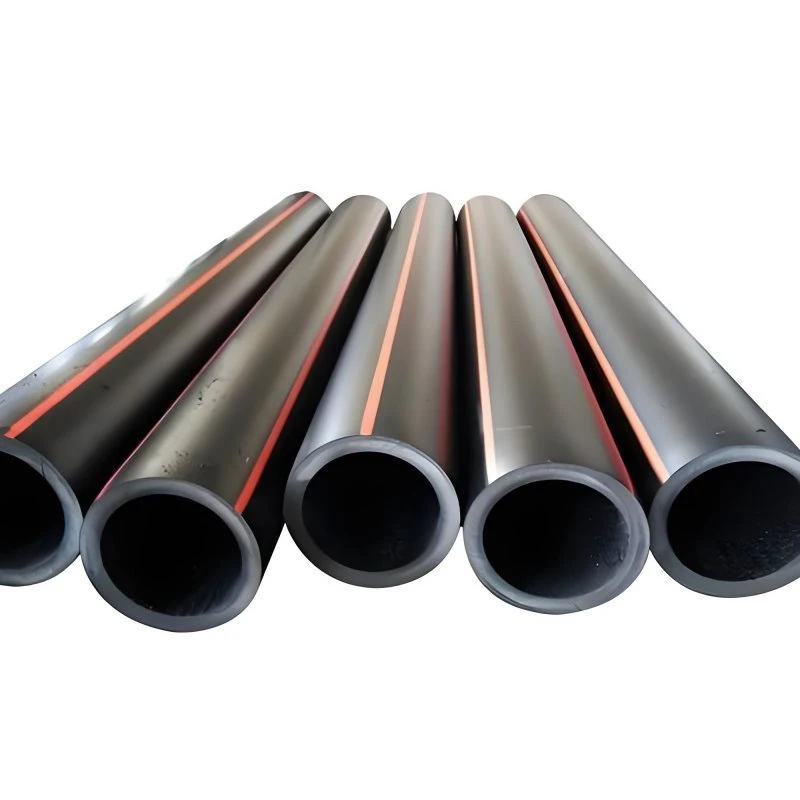
As a supplier of HDPE Gas Transmission Pipe, I've been asked numerous times whether these pipes can be installed underground. The answer is a resounding yes, and in fact, underground installation is one of the most common and advantageous ways to use HDPE gas transmission pipes.
Advantages of Underground Installation of HDPE Gas Transmission Pipes
Corrosion Resistance
HDPE, or high - density polyethylene, is inherently resistant to corrosion. Unlike metal pipes, which can rust and corrode when exposed to moisture, soil chemicals, and other underground elements, HDPE pipes remain intact. This corrosion resistance ensures a long service life, often up to 50 years or more. For gas transmission, this is crucial as any leakage due to corrosion can be extremely dangerous. It provides a reliable and safe solution for transporting gas over extended periods without the need for frequent replacements or maintenance due to corrosion.
Flexibility
HDPE pipes are highly flexible. This flexibility allows them to adapt to ground movements, such as those caused by earthquakes, soil settlement, or frost heave. When installed underground, the ground can shift and move over time, and a rigid pipe may crack or break under these stresses. In contrast, HDPE pipes can bend and flex with the ground, maintaining their integrity and preventing gas leaks. This makes them a great choice for areas with unstable soil conditions or in regions prone to seismic activity.
Leak - Tight Joints
HDPE pipes can be joined using heat fusion techniques, which create a homogenous, leak - tight joint. When installed underground, preventing gas leaks is of utmost importance. The heat - fused joints of HDPE pipes eliminate the risk of leaks at the connection points, providing a continuous and secure gas transmission system. This is a significant advantage over other pipe materials that may rely on mechanical joints, which can be more prone to leakage over time.
Cost - Effectiveness
Underground installation of HDPE gas transmission pipes can be cost - effective in the long run. Although the initial installation cost may be comparable to or slightly higher than some other pipe materials, the low maintenance requirements and long service life of HDPE pipes result in significant savings over time. There is no need for expensive corrosion protection measures, and the reduced risk of leaks and failures means fewer repair and replacement costs.

Installation Considerations
Soil Conditions
Before installing HDPE gas transmission pipes underground, it is essential to assess the soil conditions. The soil should be free of sharp rocks and debris that could damage the pipes during installation or over time. If the soil is rocky, a bedding material such as sand or gravel may be required to provide a smooth and stable surface for the pipes. Additionally, the soil's moisture content and pH level should be considered, as extreme conditions can potentially affect the pipe's performance.
Depth of Installation
The depth of installation is another critical factor. HDPE gas transmission pipes should be installed at a sufficient depth to protect them from external damage, such as from construction activities or natural forces. Generally, a depth of at least 18 inches (457 mm) is recommended, but this may vary depending on local regulations and the specific application. Deeper installation can also help to maintain a more stable temperature for the gas within the pipes.
Backfilling
After the pipes are laid, proper backfilling is necessary. The backfill material should be carefully selected to ensure that it does not contain any materials that could damage the pipes. It should be compacted in layers to provide support to the pipes and prevent settlement. However, over - compaction should be avoided, as it can cause excessive stress on the pipes.
Applications of Underground HDPE Gas Transmission Pipes
HDPE gas transmission pipes are widely used in various applications when installed underground. They are commonly used in residential areas for natural gas distribution to homes. Their flexibility and leak - tight joints make them suitable for navigating around existing structures and through narrow spaces. In commercial and industrial settings, HDPE pipes can be used to transport gas to factories, warehouses, and other large facilities. They are also used in municipal gas distribution systems, providing a reliable and safe way to supply gas to a large number of consumers.
Our Company's HDPE Gas Transmission Pipes
At our company, we offer a wide range of HDPE Gas Transmission Pipe products suitable for underground installation. Our pipes are made from high - quality HDPE materials that meet or exceed industry standards. We have HDPE Pipe for Natural Gas Service in various sizes and specifications to meet different project requirements. For example, our 2 Inch Poly Gas Pipe is a popular choice for smaller - scale gas distribution projects.
We also provide comprehensive technical support and installation guidance to ensure that our customers can install our pipes correctly and safely underground. Our team of experts can assist with soil analysis, installation planning, and jointing techniques to ensure the best performance of our HDPE gas transmission pipes.
Conclusion
In conclusion, HDPE gas transmission pipes are an excellent choice for underground installation. Their corrosion resistance, flexibility, leak - tight joints, and cost - effectiveness make them a reliable and safe solution for gas transmission. However, proper installation considerations, such as soil assessment, depth of installation, and backfilling, are essential to ensure the long - term performance of the pipes.
If you are in need of high - quality HDPE gas transmission pipes for your underground project, we invite you to contact us for more information and to discuss your specific requirements. Our team is ready to provide you with the best products and services to meet your gas transmission needs.
References
- American Gas Association (AGA). Guidelines for Gas Transmission and Distribution Piping Systems.
- Plastics Pipe Institute (PPI). HDPE Pipe Design and Installation Manual.
- International Association of Plumbing and Mechanical Officials (IAPMO). Standards for Gas Piping Materials and Installation.


