


Hey there! As a supplier of dredging systems, I'm super stoked to share with you how a dredging system works in mining tailings management. It's a topic that's not only crucial for the mining industry but also has a significant impact on the environment. So, let's dive right in!
What Are Mining Tailings?
First things first, let's talk about mining tailings. When miners extract valuable minerals from the earth, they're left with a bunch of waste materials. These waste materials are what we call mining tailings. They usually contain water, fine particles of rock, and leftover chemicals from the mining process.
Mining tailings can be a real headache if not managed properly. They can contaminate water sources, harm wildlife, and even cause soil erosion. That's where dredging systems come in handy.
The Basics of a Dredging System
A dredging system is like a big vacuum cleaner for the mining world. It's designed to remove, transport, and deposit the mining tailings in a safe and efficient manner. There are a few key components that make up a dredging system, and each one plays a vital role in the process.
The Dredge
The dredge is the heart of the system. It's the machine that actually scoops up the mining tailings from the bottom of a pond or a pit. There are different types of dredges, such as cutter suction dredges and hydraulic dredges.
A cutter suction dredge has a rotating cutter head that breaks up the tailings before they're sucked into the dredge. This is great for dealing with more compacted or hard materials. On the other hand, a hydraulic dredge uses high-pressure water jets to loosen the tailings and then sucks them up.
The Pipes and Hoses
Once the dredge has collected the tailings, they need to be transported to a storage or processing area. That's where the pipes and hoses come in. We offer a variety of pipes and hoses for dredging systems, including UHMWPE Dredge Pipe, Rubber Dredging Hose, and Hdpe Dredging Pipe.
UHMWPE dredge pipes are known for their high abrasion resistance, which is super important when dealing with the abrasive nature of mining tailings. Rubber dredging hoses are flexible and can be easily moved around, making them ideal for different dredging locations. HDPE dredging pipes are lightweight and corrosion-resistant, which is great for long-term use.
The Pump
The pump is responsible for creating the pressure needed to move the tailings through the pipes and hoses. It's like the engine that powers the whole transportation process. There are different types of pumps, such as centrifugal pumps and positive displacement pumps.
Centrifugal pumps are the most common type used in dredging systems. They work by spinning a impeller, which creates a centrifugal force that pushes the tailings through the pipes. Positive displacement pumps, on the other hand, work by trapping a fixed amount of fluid and then forcing it through the pipes.

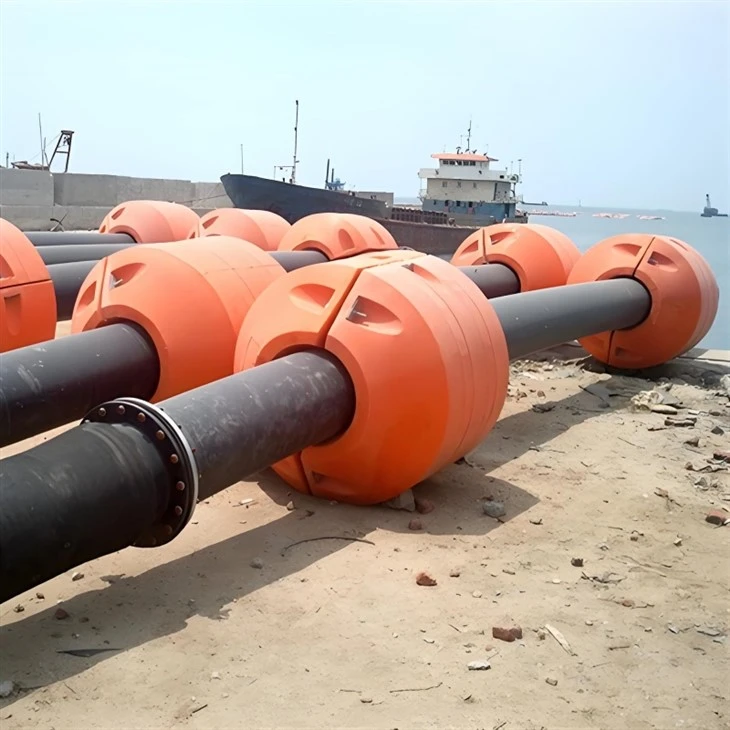
How the Dredging System Works in Mining Tailings Management
Now that we know the basic components of a dredging system, let's take a look at how it all comes together in mining tailings management.
Step 1: Site Preparation
Before the dredging process can begin, the site needs to be prepared. This involves clearing the area of any obstacles, setting up the dredge and the pipes, and making sure that all the equipment is in working order.
Step 2: Dredging
Once the site is ready, the dredge is lowered into the pond or pit where the mining tailings are located. The dredge then starts to scoop up the tailings using its cutter head or water jets. As the tailings are collected, they're mixed with water to form a slurry.
Step 3: Transportation
The slurry is then pumped through the pipes and hoses to a storage or processing area. The pump creates the pressure needed to move the slurry through the system. Along the way, the pipes and hoses need to be carefully monitored to make sure that there are no blockages or leaks.
Step 4: Deposition
Once the slurry reaches the storage or processing area, it's deposited. In some cases, the tailings may be further processed to extract any remaining valuable minerals. In other cases, they may be stored in a tailings dam or a landfill.
Benefits of Using a Dredging System in Mining Tailings Management
There are several benefits to using a dredging system in mining tailings management.
Environmental Protection
One of the biggest benefits is environmental protection. By removing the mining tailings from the ponds and pits, we can prevent them from contaminating the surrounding water sources and soil. This helps to protect the ecosystem and the health of the local community.
Resource Recovery
Dredging systems can also help to recover valuable minerals that may have been left behind in the tailings. By processing the tailings further, we can extract these minerals and reduce the need for new mining operations.
Space Optimization
Mining tailings can take up a lot of space, especially if they're stored in large ponds or pits. By using a dredging system to remove and transport the tailings, we can free up this space for other uses.
Conclusion
So, there you have it! That's how a dredging system works in mining tailings management. It's a complex process, but it's also a crucial one for the mining industry and the environment.
If you're in the mining industry and you're looking for a reliable dredging system for your tailings management needs, we'd love to hear from you. We have a wide range of dredging equipment and solutions to meet your specific requirements. Whether you need a new dredge, pipes, hoses, or pumps, we've got you covered.
Don't hesitate to reach out to us for more information or to discuss your project. We're here to help you find the best dredging solution for your needs.
References
- Smith, J. (2020). Mining Tailings Management: Best Practices. Mining Journal.
- Johnson, A. (2019). The Role of Dredging Systems in Environmental Remediation. Environmental Science Review.


