


In modern water supply systems, the choice of piping material is crucial as it directly impacts water quality. As a supplier of Dual Wall HDPE Pipe, I've witnessed firsthand the significant influence this type of pipe has on maintaining and enhancing water quality in various water supply applications.
Understanding Dual Wall HDPE Pipe
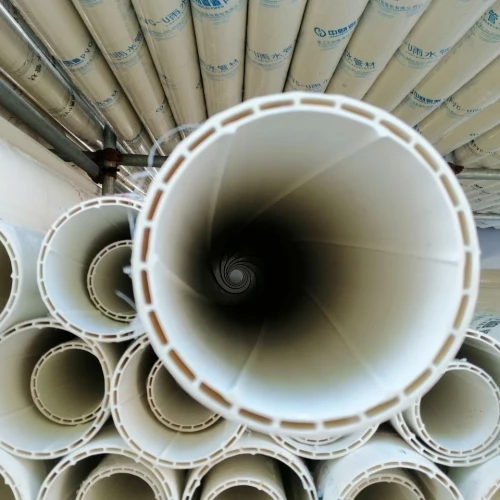
Dual Wall HDPE Pipe is a high - density polyethylene pipe with a unique dual - wall structure. The inner wall provides a smooth surface for fluid flow, while the outer wall offers enhanced structural integrity and protection. HDPE, or high - density polyethylene, is a thermoplastic polymer known for its strength, durability, and chemical resistance.
The production process of Dual Wall HDPE Pipe involves extrusion techniques that ensure the pipe's uniform quality and performance. These pipes are available in various sizes and specifications, making them suitable for different scales of water supply projects, from small residential systems to large - scale municipal water networks.
Impact on Water Quality
Chemical Inertness
One of the most significant advantages of Dual Wall HDPE Pipe in relation to water quality is its chemical inertness. HDPE does not react with most chemicals commonly found in water, such as acids, alkalis, and disinfectants. This means that the pipe will not leach harmful substances into the water supply, ensuring that the water remains safe for consumption.
For example, in areas where water treatment involves the use of chlorine or chloramines as disinfectants, Dual Wall HDPE Pipe can withstand the oxidizing effects of these chemicals without degrading or releasing contaminants. In contrast, some traditional pipe materials like metal pipes may corrode when exposed to these disinfectants, leading to the release of heavy metals such as lead, copper, or iron into the water.
Smooth Inner Surface
The smooth inner surface of Dual Wall HDPE Pipe is another key factor in maintaining water quality. A smooth surface reduces the friction between the water and the pipe wall, which in turn minimizes the accumulation of sediment, scale, and biofilm. Sediment and scale buildup can harbor bacteria and other microorganisms, and over time, they can also reduce the pipe's flow capacity.
Biofilm, a thin layer of microorganisms that adheres to the pipe surface, can be a source of waterborne pathogens. The smooth surface of HDPE pipes makes it difficult for biofilm to form and attach. As a result, the risk of microbial contamination in the water supply is significantly reduced. This is particularly important in ensuring the safety of drinking water, as waterborne diseases can have serious health consequences for consumers.
Resistance to External Contaminants
The dual - wall structure of Dual Wall HDPE Pipe provides an extra layer of protection against external contaminants. The outer wall acts as a barrier, preventing soil, groundwater, and other external pollutants from seeping into the pipe and contaminating the water supply.
In areas with high levels of industrial pollution or agricultural runoff, the risk of groundwater contamination is relatively high. Dual Wall HDPE Pipe can effectively isolate the water inside the pipe from these external contaminants, maintaining the purity of the water supply. This is in contrast to some single - walled pipes that may be more vulnerable to external damage and contamination.
Comparison with Other Pipe Materials
Steel Strip Reinforced HDPE Spiral Pipe
Steel Strip Reinforced HDPE Spiral Pipe is another type of HDPE - based pipe. While it also offers good strength and durability, its structure is different from Dual Wall HDPE Pipe. The steel strip reinforcement in the spiral pipe provides additional mechanical strength, but in terms of water quality, the smooth inner surface of Dual Wall HDPE Pipe is often more effective in preventing sediment and biofilm buildup.
In water supply systems where maintaining a high - quality water flow is the primary concern, Dual Wall HDPE Pipe may be a better choice due to its superior anti - fouling properties.
PVC Hollow Sound - absorbing Pipe
PVC Hollow Sound - absorbing Pipe is commonly used in drainage and some water supply applications. However, PVC may contain additives such as plasticizers and stabilizers, which could potentially leach into the water over time.
In contrast, HDPE is a more environmentally friendly and water - safe material. Dual Wall HDPE Pipe does not have these concerns, making it a safer option for ensuring water quality in drinking water supply systems.
HDPE Double Wall Pipe
HDPE Double Wall Pipe is similar to Dual Wall HDPE Pipe, and they share many of the same advantages in terms of water quality. However, the specific design and manufacturing process of Dual Wall HDPE Pipe may be optimized for water supply applications, providing even better performance in terms of chemical resistance and smoothness of the inner surface.
Case Studies
In a recent water supply project in a rural community, the local water authority replaced the old metal pipes with Dual Wall HDPE Pipe. Before the replacement, the water quality in the area was poor, with high levels of iron and bacteria detected. After the installation of Dual Wall HDPE Pipe, the water quality improved significantly.
The iron content in the water dropped to negligible levels, and the bacterial counts met the national drinking water standards. The smooth inner surface of the pipes prevented the accumulation of sediment and biofilm, and the chemical inertness of HDPE ensured that no harmful substances were leached into the water.
In another case, a large - scale municipal water supply project in an industrial city chose Dual Wall HDPE Pipe for its water distribution network. The pipes were able to resist the corrosive effects of the slightly acidic groundwater in the area, and the dual - wall structure protected the water from external industrial pollutants. As a result, the city's residents enjoyed a clean and safe water supply.
Conclusion and Call to Action
In conclusion, Dual Wall HDPE Pipe has a profound and positive impact on water quality in a water supply system. Its chemical inertness, smooth inner surface, and resistance to external contaminants make it an ideal choice for ensuring the safety and purity of drinking water.
If you are involved in a water supply project, whether it's a small - scale renovation or a large - scale infrastructure development, choosing Dual Wall HDPE Pipe can help you achieve excellent water quality and long - term system reliability. I encourage you to contact us for more information about our Dual Wall HDPE Pipe products and to discuss how they can be tailored to your specific project needs. We are committed to providing high - quality pipes and professional technical support to ensure the success of your water supply projects.

References
- ASTM International. (20XX). Standard Specification for Polyethylene (PE) Plastic Piping Systems for Water Service and Other Pipe Applications.
- Water Research Foundation. (20XX). Research on the Impact of Pipe Materials on Drinking Water Quality.
- American Water Works Association. (20XX). Manual of Water Supply Practices: Piping Materials.


