


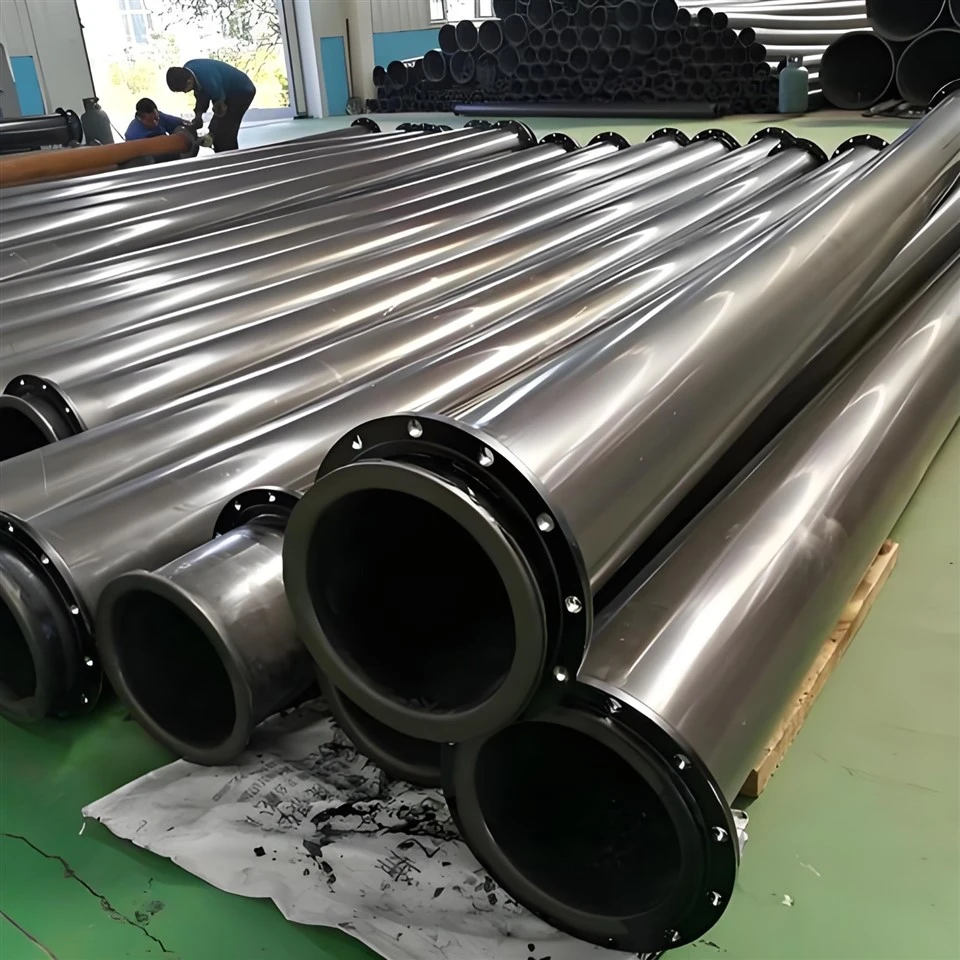
As a leading UHMWPE pipe supplier, I've witnessed firsthand the remarkable advantages of Ultra High Molecular Weight Polyethylene (UHMWPE) pipes in various industrial applications. Their high abrasion resistance, low friction coefficient, and excellent chemical resistance make them a top choice for industries such as mining, dredging, and chemical processing. However, to ensure the longevity and optimal performance of these pipes, proper maintenance is crucial. In this blog, I'll share some essential tips on how to maintain UHMWPE pipes effectively.
Understanding UHMWPE Pipes
Before delving into maintenance, it's important to understand the unique properties of UHMWPE pipes. UHMWPE is a thermoplastic polymer with an extremely high molecular weight, which gives it exceptional mechanical properties. These pipes are known for their outstanding abrasion resistance, which is significantly higher than that of traditional steel or PVC pipes. They also have a low friction coefficient, which reduces energy consumption during fluid transportation. Additionally, UHMWPE pipes are resistant to a wide range of chemicals, making them suitable for use in harsh environments. For more detailed information about UHMWPE mechanical properties, you can visit Uhmwpe Mechanical Propertie.
Regular Inspection
Regular inspection is the first step in maintaining UHMWPE pipes. Inspections should be carried out at regular intervals to detect any signs of damage or wear. Here are some key areas to focus on during inspections:
Visual Inspection
- External Surface: Check the external surface of the pipes for any signs of scratches, cuts, or abrasions. These can weaken the pipe structure and lead to leaks over time.
- Joints and Connections: Inspect the joints and connections between pipes for any signs of loosening or leakage. Tighten any loose bolts or fittings as necessary.
- Support Structures: Examine the support structures that hold the pipes in place. Make sure they are in good condition and providing adequate support.
Internal Inspection
- Flow Restrictions: Look for any signs of flow restrictions inside the pipes, such as blockages or deposits. These can reduce the efficiency of the pipeline system and cause pressure build-up.
- Erosion and Wear: Check the internal surface of the pipes for signs of erosion or wear. This is especially important in applications where the pipes are transporting abrasive materials, such as sand or gravel.
Cleaning and Flushing
Regular cleaning and flushing of UHMWPE pipes are essential to prevent the accumulation of debris and contaminants. Here are some tips on how to clean and flush UHMWPE pipes effectively:
Cleaning
- Use Appropriate Cleaning Agents: When cleaning UHMWPE pipes, it's important to use cleaning agents that are compatible with the material. Avoid using harsh chemicals or abrasive cleaners, as these can damage the pipe surface.
- Mechanical Cleaning: For stubborn deposits or blockages, mechanical cleaning methods such as brushing or scraping can be used. However, be careful not to scratch the pipe surface during the cleaning process.
Flushing
- Regular Flushing: Flush the pipes regularly with clean water to remove any loose debris or contaminants. The frequency of flushing will depend on the application and the type of material being transported.
- Backflushing: In some cases, backflushing can be used to remove stubborn deposits or blockages. This involves reversing the flow of water through the pipes to dislodge any debris.
Protection from Environmental Factors
UHMWPE pipes are generally resistant to a wide range of environmental factors, but they can still be affected by extreme temperatures, sunlight, and chemicals. Here are some tips on how to protect UHMWPE pipes from environmental factors:
Temperature Control
- Avoid Extreme Temperatures: UHMWPE pipes have a relatively wide temperature range, but they should be avoided from exposure to extreme temperatures. In cold weather, the pipes may become brittle and more prone to cracking. In hot weather, the pipes may expand and cause stress on the joints and connections.
- Insulation: In areas where the temperature fluctuates significantly, insulation can be used to protect the pipes from temperature changes. This can help to maintain the integrity of the pipes and prevent damage.
Sunlight Protection
- UV Resistance: UHMWPE pipes are not naturally UV resistant, so they should be protected from prolonged exposure to sunlight. This can be achieved by using UV-resistant coatings or by installing the pipes in shaded areas.
- Covering: In outdoor applications, the pipes can be covered with a protective layer, such as a tarp or a plastic sheet, to shield them from sunlight.
Chemical Protection
- Chemical Compatibility: Before using UHMWPE pipes in a chemical environment, it's important to ensure that the pipes are compatible with the chemicals being transported. Consult the manufacturer's guidelines or conduct a chemical compatibility test to determine the suitability of the pipes.
- Chemical Resistance Coatings: In some cases, chemical resistance coatings can be applied to the pipes to enhance their resistance to chemicals. This can help to extend the lifespan of the pipes and prevent damage.
Proper Installation
Proper installation is crucial for the long-term performance and maintenance of UHMWPE pipes. Here are some key points to consider during installation:
Correct Sizing and Fitting
- Proper Sizing: Ensure that the pipes are the correct size for the application. Using pipes that are too small or too large can lead to flow restrictions, pressure build-up, and premature wear.
- Accurate Fitting: Make sure the pipes are fitted correctly and securely. Use appropriate fittings and connectors to ensure a tight seal and prevent leaks.
Support and Alignment
- Adequate Support: Provide adequate support for the pipes to prevent sagging or bending. This can help to maintain the integrity of the pipes and prevent damage.
- Proper Alignment: Ensure that the pipes are properly aligned during installation. Misaligned pipes can cause stress on the joints and connections, leading to leaks and premature failure.
Training and Education
Finally, it's important to provide training and education to the personnel responsible for maintaining UHMWPE pipes. This can help to ensure that the pipes are maintained correctly and that any issues are detected and addressed promptly. Here are some areas to focus on during training:
Maintenance Procedures
- Inspection Techniques: Teach the personnel how to perform regular inspections of the pipes, including visual inspection, internal inspection, and testing.
- Cleaning and Flushing Methods: Provide training on how to clean and flush the pipes effectively, including the use of appropriate cleaning agents and equipment.
- Repair and Replacement Procedures: Train the personnel on how to repair and replace damaged pipes and components, including the use of appropriate tools and materials.
Safety Precautions
- Chemical Safety: Emphasize the importance of chemical safety when handling UHMWPE pipes. Provide training on how to handle chemicals safely and how to prevent chemical spills and leaks.
- Personal Protective Equipment (PPE): Require the personnel to wear appropriate PPE, such as gloves, goggles, and respirators, when working with UHMWPE pipes.
Conclusion
Maintaining UHMWPE pipes is essential to ensure their longevity and optimal performance. By following the tips outlined in this blog, you can effectively maintain your UHMWPE pipes and prevent costly repairs and replacements. Remember to conduct regular inspections, clean and flush the pipes regularly, protect them from environmental factors, install them correctly, and provide training and education to your personnel. If you have any questions or need further assistance with UHMWPE pipe maintenance, please don't hesitate to contact us. We're here to help you make the most of your UHMWPE pipes. Whether you're in the market for UHMWPE Sand - discharging Tube or Ultra High Molecular Weight Polyethylene (UHMWPE) Tailings Pipe, we can provide you with high - quality products and professional advice. Contact us today to start a procurement discussion and find the best UHMWPE pipe solutions for your needs.

References
- ASTM International. (Year). Standard Specification for Ultra-High Molecular Weight Polyethylene (UHMWPE) Pipe and Fittings.
- Manufacturer's guidelines for UHMWPE pipes.
- Industry best practices for pipeline maintenance.


