


Hey there! As a supplier of HDPE pipes for agriculture, I've seen firsthand how crucial it is to measure the diameter of these pipes accurately. Whether you're setting up a new irrigation system or replacing old pipes, getting the diameter right is the first step to ensuring everything works smoothly. In this blog, I'll share some tips and tricks on how to measure the diameter of HDPE pipes for agriculture accurately.
Why Accurate Diameter Measurement Matters
Before we dive into the measurement methods, let's talk about why it's so important to measure the diameter of HDPE pipes accurately. The diameter of a pipe determines its flow capacity, which is essential for efficient irrigation. If the pipe diameter is too small, it can restrict the flow of water, leading to uneven distribution and reduced crop yields. On the other hand, if the pipe diameter is too large, it can waste water and increase energy costs.
Accurate diameter measurement also ensures proper fitting of pipes and fittings. HDPE pipes are typically joined using butt fusion or electrofusion techniques, which require precise alignment and sizing. If the pipes are not measured correctly, it can result in leaks, weak joints, and system failures.
Tools You'll Need
To measure the diameter of HDPE pipes accurately, you'll need a few basic tools:
- Calipers: Digital or vernier calipers are the most accurate tools for measuring pipe diameter. They can measure both the inside and outside diameter of the pipe with high precision.
- Tape Measure: A flexible tape measure can be used to measure the circumference of the pipe, which can then be used to calculate the diameter.
- Pipe Gauge: A pipe gauge is a simple tool that can be used to quickly check the diameter of a pipe. It consists of a series of holes or slots of different sizes, and you can simply insert the pipe into the appropriate hole to determine its diameter.
Measuring the Outside Diameter (OD)
The outside diameter (OD) of a pipe is the distance across the outside of the pipe, including the wall thickness. Here's how you can measure the OD of an HDPE pipe using calipers:

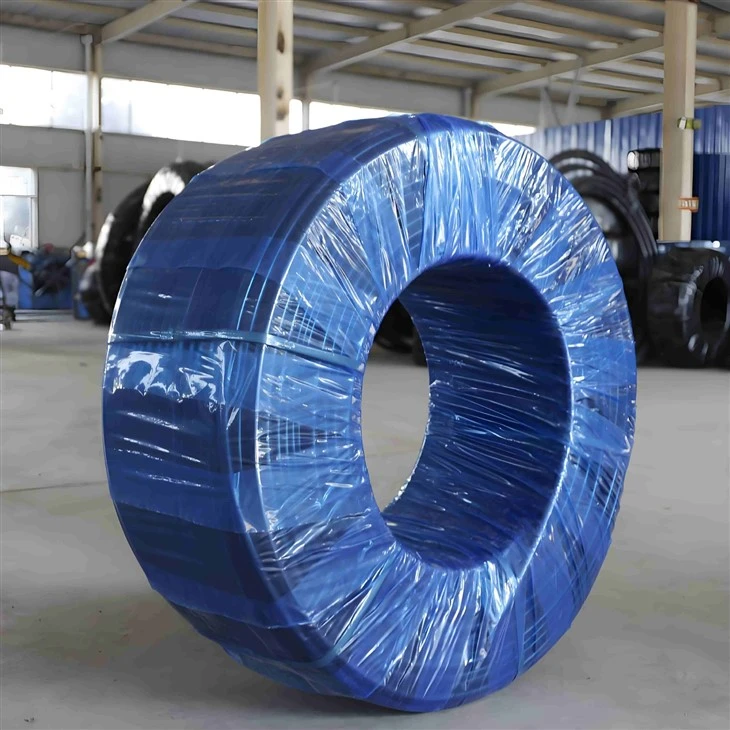
- Prepare the Pipe: Make sure the pipe is clean and free of any debris or dirt. If the pipe has any burrs or rough edges, you can use a file or sandpaper to smooth them out.
- Open the Calipers: Open the calipers wide enough to fit around the pipe. Make sure the calipers are parallel to the axis of the pipe.
- Measure the OD: Place the calipers around the pipe and gently close them until they touch the outside surface of the pipe. Read the measurement on the caliper display. Make sure to take multiple measurements at different points along the pipe to ensure accuracy.
If you don't have calipers, you can also use a tape measure to measure the circumference of the pipe and then calculate the OD using the following formula:
OD = Circumference / π
where π (pi) is a mathematical constant approximately equal to 3.14159.
Measuring the Inside Diameter (ID)
The inside diameter (ID) of a pipe is the distance across the inside of the pipe, excluding the wall thickness. Measuring the ID of an HDPE pipe can be a bit more challenging, especially if the pipe is small or has a thick wall. Here's how you can measure the ID using calipers:
- Prepare the Pipe: As with measuring the OD, make sure the pipe is clean and free of any debris or dirt.
- Open the Calipers: Open the calipers wide enough to fit inside the pipe. Make sure the calipers are perpendicular to the axis of the pipe.
- Measure the ID: Insert the calipers into the pipe and gently open them until they touch the inside surface of the pipe. Read the measurement on the caliper display. Again, make sure to take multiple measurements at different points along the pipe to ensure accuracy.
If you're having trouble measuring the ID with calipers, you can also use a pipe gauge or a tape measure to measure the circumference of the inside of the pipe and then calculate the ID using the same formula as for the OD.
Measuring the Wall Thickness
The wall thickness of a pipe is the distance between the inside and outside surfaces of the pipe. Measuring the wall thickness is important for determining the pipe's strength and durability. Here's how you can measure the wall thickness using calipers:
- Prepare the Pipe: Clean the pipe and make sure it's free of any debris or dirt.
- Measure the OD and ID: Use the methods described above to measure the outside and inside diameter of the pipe.
- Calculate the Wall Thickness: Subtract the ID from the OD and divide the result by 2. The formula for calculating the wall thickness is:
Wall Thickness = (OD - ID) / 2
Tips for Accurate Measurement
Here are some tips to help you measure the diameter of HDPE pipes accurately:
- Take Multiple Measurements: To ensure accuracy, take multiple measurements at different points along the pipe. This will help you account for any variations in diameter due to manufacturing tolerances or pipe deformation.
- Measure at Room Temperature: HDPE pipes can expand or contract with changes in temperature, so it's best to measure them at room temperature. If you need to measure the pipes in a different temperature environment, make sure to take this into account when calculating the diameter.
- Use the Right Tool for the Job: Different tools are suitable for different types of measurements. Use calipers for precise measurements, tape measures for quick checks, and pipe gauges for on-site inspections.
- Follow Manufacturer's Specifications: HDPE pipes are manufactured to specific standards and specifications, so make sure to follow the manufacturer's guidelines when measuring and installing them.
Conclusion
Measuring the diameter of HDPE pipes accurately is essential for ensuring efficient irrigation, proper fitting of pipes and fittings, and system reliability. By using the right tools and following the methods described in this blog, you can measure the diameter of HDPE pipes with high precision.
If you're in the market for HDPE pipes for agriculture, we offer a wide range of products to meet your needs. Check out our 2 Inch Sdr17 Hdpe Irrigation Pipe, Black Poly Pipe for Irrigation, and 32mm UV-Resistant HDPE Agricultural Irrigation Pipe.
If you have any questions or need further assistance with measuring or selecting HDPE pipes for your agricultural application, feel free to contact us. We're here to help you make the right choice and ensure the success of your irrigation system.
References
- ASTM D3350: Standard Specification for Polyethylene (PE) Plastic Pipe and Fittings Materials
- ISO 4427: Thermoplastics pipes and fittings for water supply - Polyethylene (PE) - Specifications


