


Hey there! I'm part of a power system supplier team, and today I wanna chat about the applications of automation technology in a power system. As someone who sees the power system up close and personal every day, I can tell you that automation technology has been a game - changer in our industry.
1. Generation Automation
Let's start with power generation. Automation plays a huge role here. In traditional power plants, whether they're coal - fired, hydro, or gas - fired, automating the control of turbines and generators is crucial. For example, in a coal - fired power plant, automated systems can monitor the coal feed rate, adjust the combustion process, and maintain the right temperature and pressure in the boiler. This not only improves the efficiency of power generation but also reduces the risk of human error.

With the rise of renewable energy sources like wind and solar, automation becomes even more important. In a wind farm, automated sensors on turbines can detect changes in wind speed and direction. Based on this data, the turbines are automatically adjusted to face the wind at the optimal angle, maximizing power output. Solar power plants also benefit from automation. Tracking systems can be automated to follow the sun's path throughout the day, ensuring that solar panels receive maximum sunlight exposure.
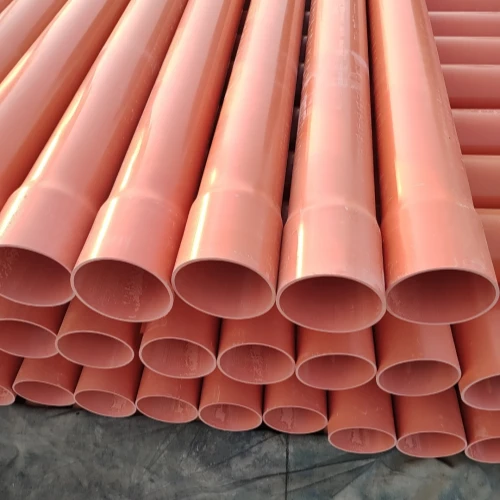
A great example of a product that supports power generation in an automated power system is the MPP Power Pipe. This power pipe is designed to efficiently transmit power from the generation sources to the next stages of the power system. It's built to withstand the high - energy demands and environmental challenges that come with automated power generation.
2. Transmission Automation
When it comes to power transmission, automation technology is a must - have. One of the key applications is in the monitoring and control of transmission lines. Automated sensors installed along the transmission lines can detect various parameters such as voltage, current, and temperature. If there's an abnormal increase in temperature, which could indicate a potential fault, the system can quickly send an alert to the control center.
Automation also enables the automatic reconfiguration of transmission networks. In case of a fault or a planned maintenance event, the system can reroute the power flow to minimize the impact on consumers. For example, if a section of a transmission line needs to be repaired, the automated system can switch the power to an alternative route, ensuring a continuous power supply.
The DN110 CPVC Buried Cable Protection Pipe is an essential component in a well - automated power transmission system. It protects the cables from external damage, moisture, and other environmental factors, allowing for a more reliable and efficient power transmission.
3. Distribution Automation
Distribution automation is all about getting the power to the end - users in the most efficient and reliable way. Automated distribution systems can monitor the power quality at the distribution level, including voltage regulation. If the voltage drops below or exceeds the acceptable range, the system can automatically adjust the transformers to maintain a stable voltage supply.
Another important application is the fault detection and isolation in the distribution network. When a fault occurs, the automated system can quickly identify the location of the fault and isolate it from the rest of the network. This reduces the outage area and minimizes the time it takes to restore power. For instance, in a smart grid, automated switches can be used to isolate the faulty section, while the power is still supplied to the unaffected areas.
The 7 - Hole PVC Cable Duct is a useful product in distribution automation. It provides a organized way to lay multiple cables, making it easier to manage and maintain the distribution network.
4. Load Management
Automation technology also helps in load management within the power system. By analyzing the historical and real - time data of power consumption, the system can predict the peak and off - peak loads. During peak load times, the automated system can implement demand - response strategies. For example, it can send signals to large industrial consumers to reduce their power consumption temporarily. In return, these consumers may receive incentives such as lower electricity bills.
On the other hand, during off - peak times, the system can encourage consumers to use more power, for instance, by offering discounted electricity rates. This helps in balancing the load on the power system, reducing the overall cost of power generation and improving the stability of the grid.
5. Energy Storage Integration
With the increasing use of renewable energy sources, energy storage has become an important part of the power system. Automation technology is used to integrate energy storage systems such as batteries and pumped - hydro storage into the power grid. The system can monitor the state of charge of the energy storage devices and decide when to charge or discharge them.
During periods of high renewable energy generation, when the power output exceeds the demand, the automated system can direct the excess power to the energy storage devices for later use. Conversely, when the renewable energy generation is low, the system can discharge the stored energy to meet the demand. This helps in smoothing out the fluctuations in power supply from renewable sources and makes the power system more reliable.
Why Choose Our Power System Products for Automation
As a power system supplier, we understand the importance of high - quality products in an automated power system. Our products are designed to work seamlessly with automation technology. The MPP Power Pipe, DN110 CPVC Buried Cable Protection Pipe, and 7 - Hole PVC Cable Duct are all made with the latest materials and manufacturing techniques. They are durable, reliable, and can withstand the harsh conditions of a power system.
If you're looking to upgrade your power system with automation technology, our products can provide the foundation you need. Whether it's for a new power generation project, a transmission network upgrade, or a distribution system modernization, we've got the right products for you.
We're always here to help you with your power system needs. If you're interested in learning more about our products or have any questions regarding the applications of automation technology in a power system, don't hesitate to reach out. We're ready to have a chat and discuss how we can work together to build a more efficient and reliable power system. Contact us for procurement and let's start this exciting journey together!
References
- Electric Power Systems: Analysis and Control by Claudio A. Cañizares
- Power System Automation and Operation by Ali Keyhani


