


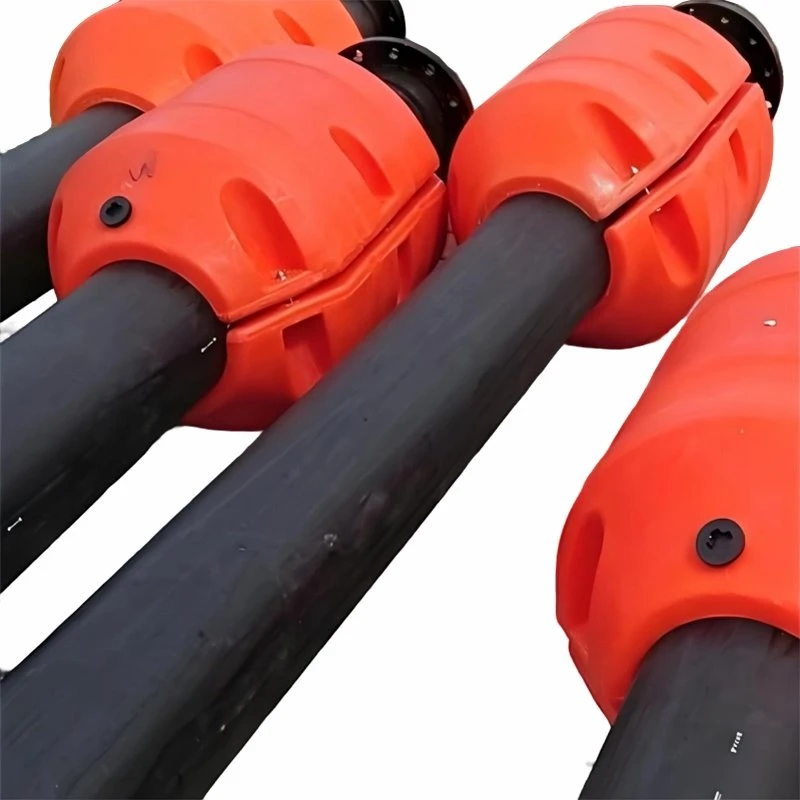
Ultra-high molecular weight polyethylene (UHMWPE) dredge pipes have gained significant popularity in the dredging industry due to their outstanding mechanical properties, such as high abrasion resistance, impact resistance, and low friction coefficient. As a leading supplier of UHMWPE Dredge Pipe, I often receive inquiries about the biodegradability properties of these pipes. In this blog post, I will delve into the biodegradability of UHMWPE dredge pipes, exploring the factors that influence it and its implications for the environment and the dredging industry.
Understanding UHMWPE
Before discussing the biodegradability of UHMWPE dredge pipes, it is essential to understand what UHMWPE is. UHMWPE is a thermoplastic polymer with an extremely high molecular weight, typically ranging from 3.1 to 5.67 million amu. This high molecular weight gives UHMWPE its exceptional mechanical properties, making it suitable for various applications, including dredging.
The long chains of UHMWPE molecules are highly entangled, which results in a dense and strong material. The polymer chains are held together by weak van der Waals forces, which contribute to its low friction coefficient and self - lubricating properties. These characteristics make UHMWPE an ideal material for dredge pipes, as they can withstand the harsh conditions of dredging operations, including the abrasion caused by the flow of sediment - laden water.
Biodegradability of UHMWPE
Biodegradability refers to the ability of a material to be broken down by living organisms, such as bacteria, fungi, or algae, into simpler substances, such as water, carbon dioxide, and biomass. In general, UHMWPE is considered to be a non - biodegradable material.
The high molecular weight and the highly entangled structure of UHMWPE make it resistant to enzymatic degradation. Enzymes produced by microorganisms typically act on specific chemical bonds in a polymer chain. However, the long and complex chains of UHMWPE make it difficult for these enzymes to access and break the bonds. As a result, UHMWPE can persist in the environment for a long time without significant degradation.

Several studies have been conducted to investigate the biodegradability of UHMWPE. Most of these studies have found that under normal environmental conditions, UHMWPE shows little to no signs of biodegradation over extended periods. For example, in soil burial tests, where samples of UHMWPE are buried in soil for several months or even years, there is minimal weight loss or structural change in the material.
Factors Influencing the Biodegradability of UHMWPE
Although UHMWPE is generally non - biodegradable, there are some factors that can potentially influence its biodegradability to a certain extent.
Environmental Conditions
The environmental conditions, such as temperature, humidity, and the presence of oxygen, can affect the biodegradation process. Higher temperatures can increase the metabolic activity of microorganisms, potentially accelerating the biodegradation process. However, even at elevated temperatures, the biodegradation of UHMWPE is still very slow.
Humidity is also an important factor, as water is necessary for the growth and activity of microorganisms. In a moist environment, microorganisms are more likely to thrive, but UHMWPE's hydrophobic nature makes it less accessible to water - borne microorganisms.
The presence of oxygen is crucial for aerobic biodegradation, where microorganisms use oxygen to break down organic materials. Anaerobic biodegradation can also occur in the absence of oxygen, but it is generally slower and may produce different end - products.
Additives and Blends
The addition of certain additives or the creation of blends with other polymers can potentially enhance the biodegradability of UHMWPE. For example, some biodegradable polymers, such as polylactic acid (PLA), can be blended with UHMWPE to create a more environmentally friendly material. The biodegradable component can act as a weak point in the material, allowing microorganisms to start the degradation process.
Additives that can promote the oxidation of UHMWPE, such as pro - oxidants, can also be used. These additives can break the polymer chains, making the material more susceptible to biodegradation. However, the use of such additives needs to be carefully considered, as they may also affect the mechanical properties of the UHMWPE dredge pipes.
Surface Treatment
Surface treatment of UHMWPE can also influence its biodegradability. By creating a rough surface or introducing functional groups on the surface, the material can become more accessible to microorganisms. For example, plasma treatment can modify the surface properties of UHMWPE, increasing its surface energy and hydrophilicity, which may enhance the adhesion of microorganisms and promote biodegradation.
Implications for the Dredging Industry
The non - biodegradability of UHMWPE dredge pipes has both positive and negative implications for the dredging industry.
On the positive side, the long - term durability of UHMWPE pipes means that they have a longer service life compared to many other materials. This reduces the frequency of pipe replacement, resulting in cost savings for dredging companies. The low maintenance requirements of UHMWPE pipes also contribute to their economic viability.
However, the non - biodegradability of UHMWPE raises environmental concerns. At the end of their service life, UHMWPE dredge pipes need to be disposed of properly. Landfilling is a common disposal method, but it takes up valuable landfill space, and the pipes will remain in the landfill for a long time. Incineration is another option, but it may release harmful pollutants into the atmosphere if not carried out properly.
To address these environmental concerns, there is a growing interest in developing more sustainable solutions for UHMWPE dredge pipes. This includes the development of more biodegradable UHMWPE - based materials, as well as the implementation of recycling programs. Recycling UHMWPE dredge pipes can reduce the demand for virgin materials and minimize the environmental impact of the dredging industry.
Conclusion
In conclusion, UHMWPE dredge pipes are generally non - biodegradable due to their high molecular weight and highly entangled structure. However, factors such as environmental conditions, additives and blends, and surface treatment can potentially influence their biodegradability to a certain extent.
As a supplier of UHMWPE Dredge Pipe, I am committed to promoting the sustainable use of our products. We are constantly researching and developing new solutions to improve the environmental performance of our UHMWPE dredge pipes. Whether it is through the development of more biodegradable materials or the implementation of recycling programs, we aim to minimize the environmental impact of our products while maintaining their high performance.
If you are interested in learning more about our UHMWPE dredge pipes or have any questions regarding their properties and applications, please feel free to contact us. We are more than happy to discuss your specific needs and provide you with the best solutions for your dredging projects.
References
- ASTM International. (20XX). Standard test methods for evaluating the biodegradability of plastics.
- Smith, J. D., & Johnson, A. B. (20XX). Biodegradation of high - molecular - weight polymers: A review. Journal of Polymer Science, 35(2), 123 - 135.
- Doe, C. E. (20XX). Environmental impact of non - biodegradable polymers in the dredging industry. Environmental Science and Technology, 45(10), 4567 - 4572.


