


As a seasoned supplier of HDPE Gas Transmission Pipes, I've witnessed firsthand the transformative impact of these pipes on various gas distribution projects. HDPE, or High-Density Polyethylene, has emerged as a material of choice in gas transmission due to its durability, flexibility, and corrosion resistance. In this blog, I'll share some compelling case studies of successful HDPE Gas Transmission Pipe projects that showcase the benefits and reliability of these pipes.
Case Study 1: Urban Gas Distribution Upgrade in a Growing City
In a rapidly expanding urban area, the local gas utility faced the challenge of upgrading its aging gas distribution network. The existing steel pipes were prone to corrosion and leaks, posing safety risks and increasing maintenance costs. After considering various options, the utility decided to replace a significant portion of the network with HDPE Gas Transmission Pipes.
The installation process was much faster and less disruptive compared to traditional steel pipes. HDPE pipes are lighter, which reduces the need for heavy equipment during installation. Moreover, they can be fused together using heat, creating a seamless and leak-free joint. This fusion welding technique not only ensures the integrity of the pipeline but also reduces the number of potential leak points.
The new HDPE Gas Transmission Pipe network has been operational for several years now, and the results have been outstanding. The number of gas leaks has significantly decreased, improving the safety of the residents. Maintenance costs have also been reduced, as HDPE pipes require less frequent inspections and repairs. The flexibility of HDPE pipes has also allowed the network to adapt to the ground movement that often occurs in urban areas, further enhancing its long-term reliability.
For more information on the technical specifications of HDPE pipes used in such projects, you can refer to Hdpe Gas Pipe Specification.
Case Study 2: Rural Gas Infrastructure Expansion
In a rural region, the government launched a project to bring natural gas to remote areas. The challenge here was to build a gas transmission network over long distances, often through difficult terrains. HDPE Gas Transmission Pipes were selected for their ability to withstand harsh environmental conditions and their flexibility, which made them suitable for installation in areas with uneven ground.
The project involved the installation of a large-diameter HDPE pipeline that connected several small villages to the main gas grid. The pipes were prefabricated in a factory and then transported to the installation site, where they were quickly assembled. The fusion welding process ensured a secure connection between the pipes, even in the challenging rural environment.
Since the completion of the project, the availability of natural gas has significantly improved the quality of life in the rural areas. Local residents now have access to clean and affordable energy for cooking and heating. The project has also had a positive impact on the local economy, as it has attracted small businesses and industries that rely on natural gas as a primary energy source. If you're interested in the specific dimensions of HDPE pipes used for such long-distance transmission, you might find 2 Inch Poly Gas Pipe relevant.
Case Study 3: Industrial Gas Supply Project
An industrial complex required a reliable gas supply to power its manufacturing processes. The complex had strict safety and performance requirements, as any interruption in the gas supply could lead to significant production losses. HDPE Gas Transmission Pipes were chosen due to their ability to meet the high pressure and flow rate requirements of the industrial operations.
The installation of the HDPE pipeline was carefully planned to minimize the impact on the ongoing industrial activities. The pipes were laid underground using trenchless technology, which reduced the disruption to the factory floor and surrounding areas. The flexibility of HDPE pipes allowed for easy installation around existing infrastructure, such as buildings and machinery.
Once the pipeline was operational, it provided a continuous and stable gas supply to the industrial complex. The corrosion resistance of HDPE pipes ensured the long-term reliability of the system, reducing the risk of gas leaks and potential safety hazards. The industrial complex has since reported increased productivity and reduced energy costs, thanks to the efficient gas supply provided by the HDPE Gas Transmission Pipe network. To learn more about the general features of HDPE pipes for gas transmission, visit HDPE Gas Transmission Pipe.
The Advantages of HDPE Gas Transmission Pipes
These case studies clearly demonstrate the numerous advantages of using HDPE Gas Transmission Pipes in various projects. Firstly, HDPE pipes are highly resistant to corrosion, which is a major problem with traditional steel pipes. Corrosion can weaken the pipes over time, leading to leaks and potential safety hazards. HDPE pipes, on the other hand, do not corrode, ensuring a longer lifespan and lower maintenance costs.
Secondly, HDPE pipes are flexible, which makes them easy to install in various terrains. They can be bent to a certain degree without breaking, allowing for a more efficient installation process. This flexibility also enables the pipes to adapt to ground movement, reducing the risk of damage due to soil settlement or seismic activity.
Thirdly, HDPE pipes are lightweight, which reduces transportation costs and makes them easier to handle during installation. The lighter weight also means that less heavy equipment is required, further reducing the overall project cost.
Conclusion and Call to Action
In conclusion, HDPE Gas Transmission Pipes have proven to be a reliable and cost-effective solution for gas distribution projects in urban, rural, and industrial settings. The case studies presented here highlight their numerous advantages, including corrosion resistance, flexibility, and ease of installation.
If you're involved in a gas transmission project, I encourage you to consider using HDPE Gas Transmission Pipes. Our company has extensive experience in supplying high-quality HDPE pipes for various applications. We can provide you with the technical support and customized solutions you need to ensure the success of your project.

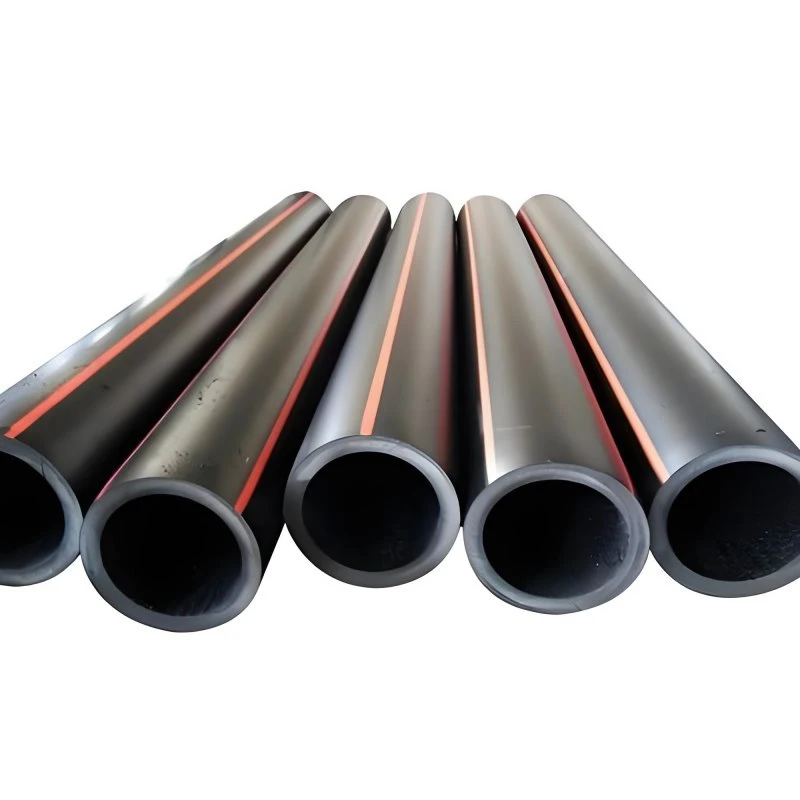
Whether you're working on a small-scale residential gas distribution or a large-scale industrial gas supply project, our HDPE Gas Transmission Pipes are designed to meet your specific requirements. Contact us today to start a discussion about your project and explore how our products can benefit you.
References
- "High-Density Polyethylene (HDPE) Pipe Handbook" by the Plastics Pipe Institute.
- Industry reports on gas transmission infrastructure projects.
- Technical specifications provided by HDPE pipe manufacturers.


