


As a trusted pipe fittings supplier, I understand the critical importance of thorough inspections before pipe fittings installation. A meticulous pre - installation inspection can prevent many issues down the line, ensuring the safety, efficiency, and longevity of the entire piping system. In this blog, I'll walk you through the essential inspection items for pipe fittings that every installer and project manager should be aware of.
Visual Inspection
The first step in inspecting pipe fittings is a simple yet crucial visual check. Start by looking for any visible damage such as cracks, scratches, or dents. Cracks can compromise the structural integrity of the fitting, leading to leaks or even pipe bursts under pressure. Scratches, although they may seem minor, can act as stress concentrators and accelerate corrosion over time. Dents can restrict the flow of fluid within the pipe, causing inefficiencies and potentially leading to blockages.
Inspect the surface finish of the pipe fittings. A smooth surface is essential for proper sealing and to prevent the accumulation of debris. Rough surfaces can cause leaks at the joints and may also harbor bacteria in applications where hygiene is a concern, such as in the food and beverage or pharmaceutical industries.
Check for any signs of misalignment or deformation. The ends of the fittings should be straight and perpendicular to the body of the fitting. Any deviation from the correct shape can make it difficult to install the fitting properly and may result in a poor connection.
Dimensional Inspection
Accurate dimensions are vital for the proper functioning of pipe fittings. Measure the outer diameter (OD), inner diameter (ID), and wall thickness of the fittings. These measurements should conform to the industry standards and the specifications provided by the manufacturer. Deviations in the OD can lead to problems with fitting into the pipes or connecting to other components, while variations in the ID can affect the flow rate and pressure within the system.
The length of the fittings also needs to be checked. Incorrect lengths can cause issues during installation, especially in systems where precise positioning is required. For example, in a tightly - packed industrial piping system, a fitting that is too long or too short can disrupt the entire layout.
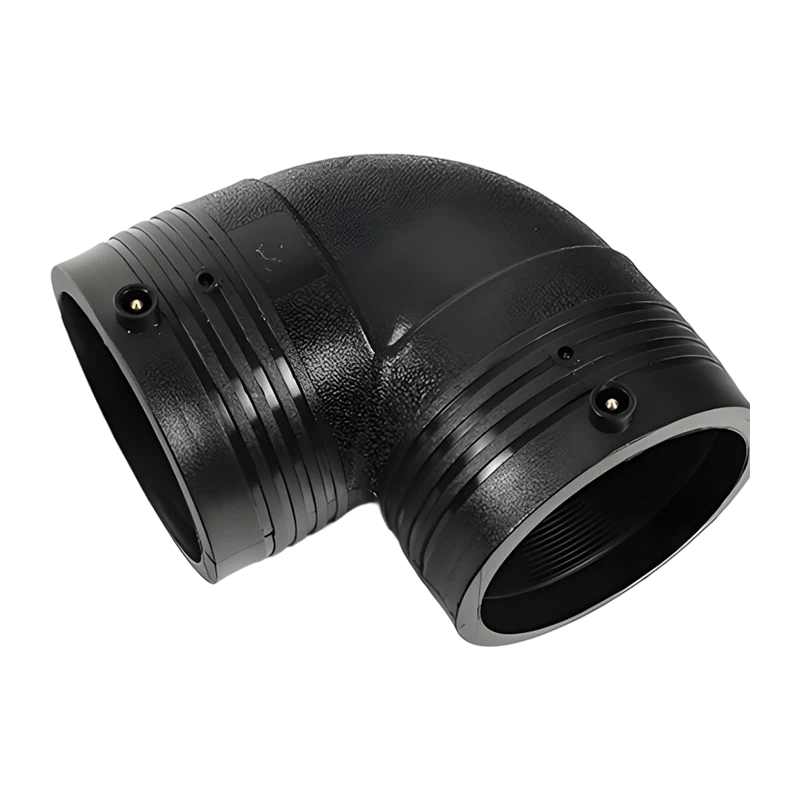

Threaded fittings require special attention. Inspect the threads for any damage, such as stripped or cross - threaded sections. The pitch and depth of the threads should be consistent with the standard requirements. A faulty thread can prevent a proper seal and may cause leaks.
Material Inspection
Verify the material of the pipe fittings. Different applications require different materials based on factors such as the type of fluid being transported, the operating temperature, and the pressure. For example, in a chemical processing plant, corrosion - resistant materials like UPVC PIPE FITTING are often used. Make sure the material of the fitting matches the requirements of the project.
Check for any signs of material degradation. This can include discoloration, brittleness, or a change in texture. Exposure to harsh chemicals, extreme temperatures, or UV radiation can cause materials to degrade over time. A degraded material may not be able to withstand the operating conditions and can lead to premature failure.
For composite or multi - layer pipe fittings, inspect the bonding between the layers. Delamination or separation of the layers can compromise the strength and performance of the fitting.
Pressure Rating Inspection
Every pipe fitting has a specified pressure rating, which indicates the maximum pressure it can safely withstand. Check the pressure rating of the fittings against the operating pressure of the system. Using a fitting with a lower pressure rating than the system requires can be extremely dangerous and can lead to catastrophic failures.
Look for any markings on the fitting that indicate the pressure rating. These markings are usually provided by the manufacturer and should be clearly visible. If there are no markings or if the markings are unclear, contact the supplier or the manufacturer for verification.
Surface Finish and Coating Inspection
In some applications, pipe fittings are coated to provide additional protection against corrosion, abrasion, or chemical attack. Inspect the coating for any signs of damage, such as peeling, chipping, or blistering. A damaged coating can expose the underlying material to the elements and reduce the lifespan of the fitting.
The surface finish of the coating should also be smooth and uniform. Rough or uneven coatings can cause problems with the flow of fluid and may also affect the appearance of the system.
Compatibility Inspection
Ensure that the pipe fittings are compatible with the pipes and other components in the system. This includes checking the material compatibility as well as the connection type. For example, a Pe Pipe Elbow should be compatible with the PE pipes in terms of material and size.
The connection method, such as welding, threading, or flanging, should be appropriate for the materials and the application. Incompatible connection methods can lead to leaks, weak joints, and other issues.
Documentation Inspection
Finally, review the documentation provided with the pipe fittings. This includes the manufacturer's certificate, test reports, and installation instructions. The manufacturer's certificate should confirm that the fittings meet the required standards and specifications.
The test reports can provide valuable information about the quality and performance of the fittings. Look for test results related to pressure testing, material analysis, and other relevant tests.
The installation instructions are essential for ensuring that the fittings are installed correctly. Follow the instructions carefully to avoid any installation - related problems.
In conclusion, a comprehensive inspection of pipe fittings before installation is a must - do step to ensure the success of any piping project. By paying attention to these inspection items, you can minimize the risk of failures, reduce maintenance costs, and ensure the long - term reliability of the system.
If you are in the market for high - quality pipe fittings, we are here to help. Our range of products, including UPVC Industrial Series Flanges And Blocking Pipe Fittings, is designed to meet the most demanding requirements. We are committed to providing top - notch products and excellent customer service. Contact us today to discuss your pipe fitting needs and start a procurement negotiation.
References
- ASME B31.3 Process Piping Code
- ASTM International Standards for Pipe Fittings
- Manufacturer's Technical Documentation for Pipe Fittings


