


Beach restoration is a crucial environmental and economic endeavor that aims to combat coastal erosion, enhance recreational areas, and protect coastal ecosystems. A dredging system plays a pivotal role in this process, as it helps to relocate sediment from one area to another, replenishing beaches and restoring their natural beauty. As a dredging system supplier, I understand the importance of using the right equipment and techniques to ensure a successful beach restoration project. In this blog post, I will discuss the key points for using a dredging system in beach restoration.
1. Site Assessment and Planning
Before initiating any beach restoration project, a comprehensive site assessment is essential. This involves evaluating the beach's current condition, including its topography, sediment characteristics, and wave and current patterns. Understanding these factors will help determine the most suitable dredging method and equipment for the project.
- Topography and Bathymetry: Conduct a detailed survey of the beach and adjacent offshore areas to map the underwater terrain. This information is crucial for determining the volume of sediment needed for restoration and the optimal locations for dredging and placement.
- Sediment Analysis: Analyze the sediment composition, grain size, and mineralogy of the source and target areas. This will ensure that the dredged sediment is compatible with the existing beach material and will not cause any adverse environmental impacts.
- Environmental Impact Assessment: Evaluate the potential environmental impacts of the dredging project, including effects on water quality, marine life, and coastal habitats. Mitigation measures should be implemented to minimize these impacts and comply with local regulations.
2. Selection of Dredging Equipment
The choice of dredging equipment depends on several factors, including the project scope, sediment type, water depth, and distance from the dredging site to the placement area. As a dredging system supplier, I offer a range of equipment options to meet the specific needs of each project.
- Cutter Suction Dredgers: These dredgers are suitable for a wide range of sediment types, including sand, silt, and clay. They use a rotating cutter head to break up the sediment, which is then suctioned through a pipe and transported to the placement area. Hdpe Dredging Pipe is often used in cutter suction dredging operations due to its high strength, flexibility, and resistance to abrasion.
- Trailing Suction Hopper Dredgers: These dredgers are designed for large-scale dredging projects in deep water. They have a hopper on board to store the dredged sediment, which is then transported to the placement area and discharged through a pipeline or overboard. Trailing suction hopper dredgers are efficient and can handle a large volume of sediment quickly.
- Auger Dredgers: These dredgers are ideal for shallow water and soft sediment conditions. They use an auger to excavate the sediment, which is then transported to the surface through a pipe. Auger dredgers are relatively small and maneuverable, making them suitable for projects in confined areas.
3. Sediment Transport and Placement
Once the sediment has been dredged, it needs to be transported to the placement area and deposited in a way that ensures long-term stability and natural integration with the existing beach.
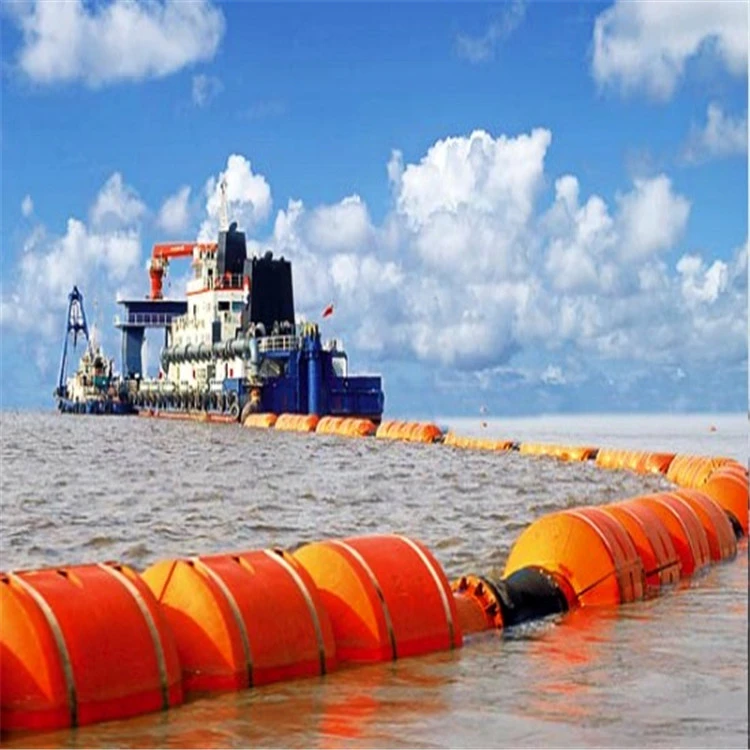
- Pipeline Transport: Pipeline transport is the most common method of sediment transfer in beach restoration projects. UHMWPE Dredge Pipe is a popular choice for pipeline transport due to its high wear resistance, smooth interior surface, and low friction coefficient, which reduces energy consumption and maintenance costs.
- Placement Techniques: The sediment should be placed in a way that mimics natural beach processes and promotes long-term stability. This may involve creating a gentle slope, using geotextiles to prevent erosion, and planting beach grasses to stabilize the sediment.
- Monitoring and Maintenance: After the sediment has been placed, it is important to monitor the beach's performance and make any necessary adjustments to ensure its long-term stability. This may include periodic surveys, sediment sampling, and erosion control measures.
4. Environmental Considerations
Beach restoration projects must be carried out in an environmentally responsible manner to minimize the impact on marine life and coastal ecosystems. As a dredging system supplier, I am committed to providing sustainable solutions that protect the environment while achieving the project's goals.
- Water Quality Management: Dredging operations can have a significant impact on water quality, including increased turbidity, sedimentation, and nutrient loading. To minimize these impacts, sediment control measures should be implemented, such as using silt curtains, sediment traps, and water treatment systems.
- Marine Life Protection: Dredging activities can disrupt marine habitats and harm fish, shellfish, and other marine organisms. To protect marine life, it is important to conduct pre-dredging surveys to identify sensitive areas and species, and to implement mitigation measures such as seasonal restrictions, fish exclusion devices, and habitat restoration projects.
- Coastal Ecosystem Restoration: Beach restoration projects can also provide an opportunity to restore and enhance coastal ecosystems, such as salt marshes, mangroves, and seagrass beds. These ecosystems provide important habitat for wildlife, protect against coastal erosion, and improve water quality.
5. Project Management and Safety
Effective project management and safety measures are essential for the success of any beach restoration project. As a dredging system supplier, I offer comprehensive project management services to ensure that the project is completed on time, within budget, and to the highest quality standards.

- Project Planning and Scheduling: A detailed project plan should be developed, including a timeline, budget, and resource allocation. Regular progress updates should be provided to the client to ensure transparency and accountability.
- Quality Control: Quality control measures should be implemented throughout the project to ensure that the dredging and placement operations meet the specified standards. This may include sediment sampling, testing, and monitoring, as well as regular inspections of the equipment and facilities.
- Safety Management: Safety is our top priority at all times. A comprehensive safety plan should be developed and implemented, including training for all personnel, safety equipment and procedures, and emergency response plans.
In conclusion, using a dredging system in beach restoration requires careful planning, selection of the right equipment, and implementation of appropriate environmental and safety measures. As a dredging system supplier, I have the expertise and experience to provide customized solutions that meet the specific needs of each project. If you are considering a beach restoration project, I encourage you to contact me to discuss your requirements and learn more about our products and services. We look forward to working with you to achieve your beach restoration goals.
References
- Coastal Engineering Manual, U.S. Army Corps of Engineers.
- Beach Restoration and Nourishment: A Technical Guide, Coastal Engineering Research Center.
- Environmental Guidelines for Dredging and Dredged Material Management, United Nations Environment Programme.


