


Hey there! As a supplier of Dual Wall HDPE Pipe, I often get asked about the bending radius of these pipes. So, I thought I'd take a deep dive into this topic and share everything you need to know.
First off, let's understand what Dual Wall HDPE Pipe is. It's a type of pipe made from high - density polyethylene (HDPE). The dual - wall design consists of an inner smooth wall and an outer corrugated wall. This design gives the pipe several advantages, like high strength, good chemical resistance, and excellent flexibility. You can learn more about it here.
Now, the bending radius. The bending radius of a pipe is the minimum radius at which the pipe can be bent without causing damage, such as kinking, cracking, or a significant reduction in the pipe's cross - sectional area. For Dual Wall HDPE Pipe, the bending radius is an important factor to consider, especially during installation.
There are several factors that affect the bending radius of Dual Wall HDPE Pipe. One of the main factors is the pipe's diameter. Generally speaking, larger diameter pipes have a larger minimum bending radius. For example, a small - diameter Dual Wall HDPE Pipe, say 100mm, might have a relatively small minimum bending radius, maybe around 10 times the pipe's diameter. So, for a 100mm pipe, the minimum bending radius could be about 1000mm. On the other hand, a larger diameter pipe, like a 600mm one, would have a much larger minimum bending radius, perhaps around 20 times the pipe's diameter, which means a minimum bending radius of 12000mm.
The wall thickness of the pipe also plays a role. Pipes with thicker walls are generally stiffer and may require a larger bending radius compared to pipes with thinner walls. This is because thicker walls offer more resistance to bending.
The temperature is another crucial factor. HDPE is a thermoplastic material, which means its properties change with temperature. At higher temperatures, the pipe becomes more flexible, and the minimum bending radius can be reduced. Conversely, at lower temperatures, the pipe becomes stiffer, and a larger bending radius is required. For instance, in a warm climate where the temperature is around 30°C, you might be able to bend the pipe with a slightly smaller radius than in a cold climate where the temperature is close to 0°C.
The manufacturing process of the Dual Wall HDPE Pipe can also influence the bending radius. High - quality pipes that are manufactured using advanced techniques tend to have more consistent properties and may be more flexible, allowing for a smaller bending radius.
So, why is the bending radius so important? Well, during installation, there are often situations where the pipe needs to be bent to fit around obstacles or follow the contour of the ground. If the bending radius is too small, it can lead to problems. Kinking the pipe can restrict the flow of fluids through the pipe, reducing its efficiency. Cracking can cause leaks, which can be a major headache, especially in drainage or sewage systems.
Now, let's talk about how to determine the appropriate bending radius for your project. The best way is to refer to the manufacturer's specifications. As a supplier, we always provide detailed information about the minimum bending radius for our Dual Wall HDPE Pipe. This information is based on extensive testing and research to ensure the pipe's performance and durability.
If you don't have access to the manufacturer's specs, you can also use some general guidelines. As I mentioned earlier, a common rule of thumb is to use a bending radius that is at least 10 - 20 times the pipe's diameter, depending on the factors we discussed earlier. However, it's always better to err on the side of caution and use a larger radius if you're unsure.
When bending the pipe, it's important to use the right tools and techniques. There are special pipe bending machines available that can help you achieve a smooth and uniform bend. These machines are designed to apply the right amount of force without causing damage to the pipe. You can also use manual methods, but you need to be very careful to avoid over - bending.
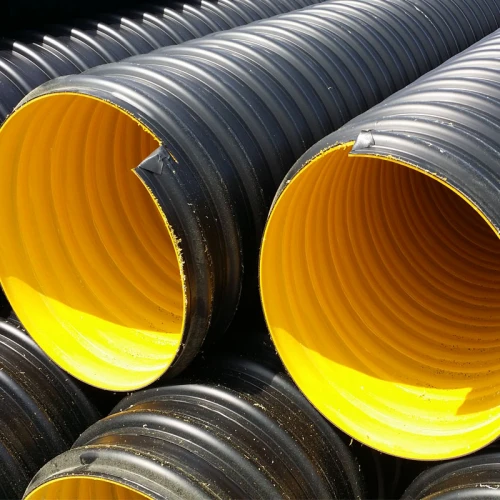

In addition to Dual Wall HDPE Pipe, we also supply Steel Reinforced Spiral Corrugated Pipe (SRCP). This type of pipe has its own set of characteristics and bending requirements. SRCP is known for its high strength and is often used in more demanding applications.
Another related product is the HDPE Double Wall Pipe. It's very similar to Dual Wall HDPE Pipe but may have some differences in terms of design and performance. The bending radius considerations for HDPE Double Wall Pipe are also similar, with the same factors like diameter, wall thickness, temperature, and manufacturing process coming into play.
If you're planning a project that involves using Dual Wall HDPE Pipe, it's essential to take the bending radius into account from the very beginning. Make sure you have a clear understanding of the requirements and plan your installation accordingly. This will help you avoid costly mistakes and ensure the long - term performance of your piping system.
If you have any questions about the bending radius of our Dual Wall HDPE Pipe or need more information about our products, don't hesitate to reach out. We're here to help you make the right choice for your project. Whether you're working on a small residential drainage system or a large - scale industrial project, we have the expertise and the products to meet your needs.
In conclusion, the bending radius of Dual Wall HDPE Pipe is an important aspect of its installation and performance. By understanding the factors that affect it and following the right guidelines, you can ensure a successful installation. So, if you're in the market for high - quality Dual Wall HDPE Pipe, give us a shout, and we'll work together to find the best solution for you.
References
- "Plastic Pipes Handbook" - A comprehensive guide on plastic pipes, including HDPE pipes, and their properties.
- Industry standards and guidelines for HDPE pipe installation and performance.


