


When it comes to the dredging industry, understanding the cost of a dredging system is crucial for both operators and potential buyers. As a supplier of dredging systems, I've witnessed firsthand the complexity and variability in pricing. In this blog post, I'll break down the factors that contribute to the cost of a dredging system, providing insights to help you make informed decisions.
1. Types of Dredging Systems
There are several types of dredging systems, each designed for specific applications and conditions. The most common types include cutter - suction dredgers, hopper dredgers, and grab dredgers.
Cutter - suction dredgers are highly versatile and can be used for a wide range of materials, from soft mud to hard rock. They are equipped with a rotating cutter head that loosens the material, which is then suctioned through a pipe and transported to a disposal area. The cost of a cutter - suction dredger can vary significantly depending on its size, capacity, and the complexity of its cutter head. Small - scale cutter - suction dredgers may cost in the range of hundreds of thousands of dollars, while large, high - capacity models can cost tens of millions.
Hopper dredgers are mainly used for large - scale dredging projects, such as maintaining shipping channels. They collect the dredged material in a hopper on board and then transport it to a disposal site. The cost of hopper dredgers is influenced by their hopper capacity, propulsion system, and the technology used for loading and unloading. These dredgers are generally more expensive than cutter - suction dredgers, with costs often starting in the millions and going up depending on their size and capabilities.
Grab dredgers are suitable for removing large, discrete objects or for dredging in areas where precision is required. They use a large grab bucket to scoop up the material. The cost of a grab dredger depends on the size of the grab bucket, the lifting capacity of the crane, and the overall design of the vessel. Small grab dredgers can be relatively affordable, but larger, more advanced models can be quite costly.
2. Equipment and Components
The cost of a dredging system is also determined by the quality and quantity of its equipment and components.
Pipes and Hoses
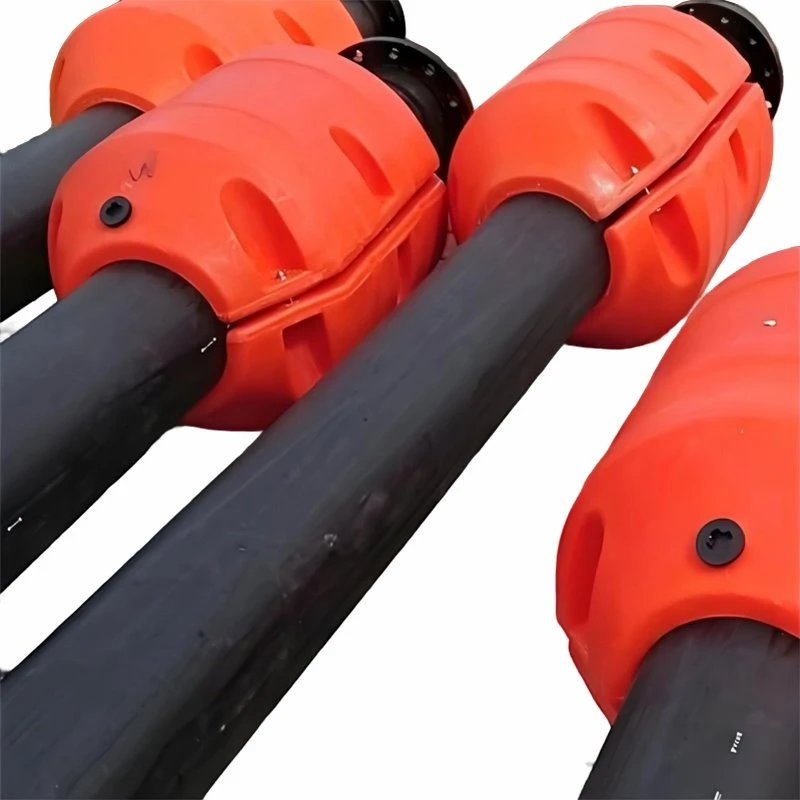
One of the key components of a dredging system is the pipes and hoses used to transport the dredged material. UHMWPE Dredge Pipe is a popular choice due to its high wear resistance, light weight, and long service life. However, the cost of UHMWPE dredge pipes can vary depending on their diameter, length, and wall thickness. High - quality pipes with larger diameters and thicker walls will generally be more expensive. In addition, the cost of hoses, which are often used for flexible connections, also contributes to the overall cost. Hoses made from specialized materials that can withstand high pressures and abrasive materials are typically more costly.
Pumps
Pumps are essential for moving the dredged material through the pipes. The cost of pumps depends on their type, capacity, and efficiency. Centrifugal pumps are commonly used in dredging systems, and their price can range from a few thousand dollars for small - capacity pumps to hundreds of thousands for large, high - performance pumps. Factors such as the pump's head, flow rate, and the material it is made of (e.g., cast iron, stainless steel) all affect its cost.
Cutter Heads
For cutter - suction dredgers, the cutter head is a critical and often expensive component. The design and construction of the cutter head are tailored to the type of material being dredged. Cutter heads for hard rock dredging require more robust construction and advanced cutting technologies, which can significantly increase their cost. The cost of a cutter head can range from tens of thousands to hundreds of thousands of dollars, depending on its size, complexity, and the materials used in its manufacture.
Propulsion Systems
The propulsion system of a dredging vessel is responsible for moving the dredger to and from the dredging site and for maintaining its position during operation. The cost of propulsion systems varies depending on the type (e.g., diesel engines, electric motors), power output, and the level of sophistication. High - power propulsion systems with advanced control features are more expensive. For large dredgers, the cost of the propulsion system can be a significant portion of the overall cost of the dredging system.
3. Installation and Commissioning
Once the dredging system is purchased, there are additional costs associated with its installation and commissioning.
Installation of a dredging system requires specialized skills and equipment. The complexity of the installation depends on the type of dredger and the location of the dredging site. For example, installing a dredging system on a large vessel may require a team of experienced engineers and technicians, as well as heavy - lifting equipment. The cost of installation can include labor costs, equipment rental, and any necessary modifications to the vessel or the dredging site.
Commissioning is the process of testing and fine - tuning the dredging system to ensure that it operates properly. This involves checking the performance of all components, calibrating the control systems, and conducting trial runs. The cost of commissioning includes the cost of labor, fuel, and any additional materials needed for testing. Commissioning can be a time - consuming and expensive process, especially for large and complex dredging systems.
4. Maintenance and Operation
The long - term cost of a dredging system includes maintenance and operation expenses.
Maintenance is essential to keep the dredging system in good working condition. Regular maintenance tasks include inspecting and replacing worn - out parts, lubricating moving components, and checking the integrity of the pipes and hoses. The cost of maintenance depends on the type and complexity of the dredging system, as well as the frequency of maintenance. For example, a dredging system with a large number of moving parts may require more frequent maintenance, which will increase the overall maintenance cost.
Operation costs include fuel, labor, and any other expenses associated with running the dredging system. The fuel consumption of a dredging vessel depends on its size, propulsion system, and the operating conditions. Labor costs include the salaries of the crew members, who are responsible for operating and maintaining the dredging system. In addition, there may be costs associated with obtaining permits, insurance, and other regulatory requirements.
5. Customization and Special Requirements
Many customers have specific requirements for their dredging systems, which can lead to additional costs.
Customization may involve modifying the design of the dredger to suit a particular dredging site or material. For example, if the dredging site has limited space, the dredger may need to be designed with a more compact footprint. Custom - made components, such as specialized cutter heads or pumps, can also increase the cost.

Special requirements, such as environmental protection measures or compliance with specific industry standards, can also add to the cost. For example, installing advanced filtration systems to reduce the environmental impact of the dredging process or ensuring that the dredging system meets strict safety regulations will require additional investment.
6. Cost - Saving Measures
While the cost of a dredging system can be significant, there are several cost - saving measures that can be considered.
One option is to choose a dredging system with a modular design. Modular dredging systems are easier to install, maintain, and upgrade. They also allow for greater flexibility in terms of configuration, which can reduce the overall cost. Another cost - saving measure is to select high - quality components that have a longer service life. Although these components may have a higher upfront cost, they can reduce the frequency of replacement and maintenance, resulting in long - term savings.
7. Conclusion and Call to Action
In conclusion, the cost of a dredging system is influenced by a variety of factors, including the type of dredger, equipment and components, installation and commissioning, maintenance and operation, and customization. As a supplier of dredging systems, we understand the importance of providing high - quality products at a reasonable price. We offer a wide range of dredging systems and components, including Uhmwpe Pipe Dredging Agent and UHMWPE Dredge Pipe, to meet the diverse needs of our customers.
If you are interested in purchasing a dredging system or have any questions about the cost and features of our products, please don't hesitate to contact us. Our team of experts is ready to assist you in making the right choice for your dredging project. We look forward to working with you to achieve your dredging goals.
References
- "Dredging Technology" by J. Vlasblom
- "Handbook of Dredging Engineering" by C. S. Sorensen


