


As a supplier of MPP Power Cable Conduit, I often encounter inquiries about the vibration - resistance of our product. In this blog, I'll delve into what the vibration - resistance of MPP power cable conduit means, its importance, and how our product performs in this aspect.
Understanding Vibration - Resistance in MPP Power Cable Conduit
Vibration - resistance refers to the ability of the MPP power cable conduit to withstand mechanical vibrations without suffering significant damage or degradation. In real - world applications, power cable conduits are exposed to various sources of vibration. For instance, in industrial settings, machinery operations can generate continuous vibrations. In urban areas, traffic flow can cause vibrations that reach underground power cable conduits. Even in some outdoor environments, natural phenomena like wind can induce vibrations in above - ground conduits.
When a power cable conduit lacks proper vibration - resistance, it may develop cracks or fractures over time. These damages can compromise the protection it provides to the cables inside. Moisture, dust, and other contaminants can enter through the cracks, leading to cable corrosion, short - circuits, and ultimately, power outages.
The Science Behind MPP's Vibration - Resistance
MPP, or Modified Polypropylene, is a thermoplastic material with unique physical and chemical properties that contribute to its vibration - resistance. The molecular structure of MPP consists of long - chain polymer molecules. These molecules are arranged in a way that allows them to absorb and dissipate energy when subjected to vibrations.
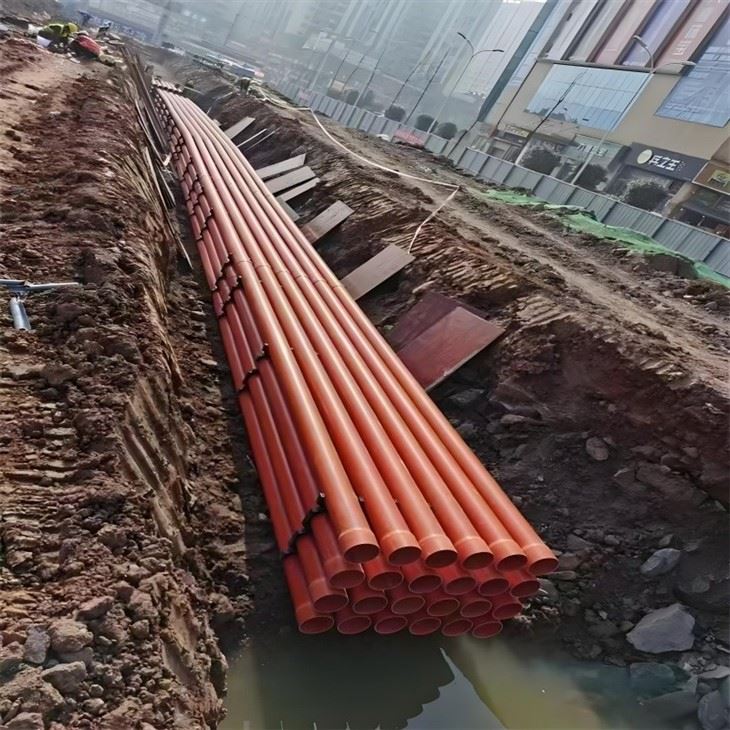

The flexibility of MPP is one of the key factors. Unlike some rigid materials that may break under stress, MPP can bend slightly when vibrations occur. This flexibility enables it to adapt to the dynamic forces caused by vibrations without shattering. Additionally, MPP has good impact strength. It can endure sudden shocks associated with vibrations, which is crucial in environments where there may be intermittent high - intensity vibrations.
Testing the Vibration - Resistance of MPP Power Cable Conduit
To ensure the high - quality vibration - resistance of our MPP power cable conduits, we conduct a series of rigorous tests. One of the common tests is the vibration table test. In this test, the conduit samples are placed on a vibration table that can simulate different frequencies and amplitudes of vibrations. The conduits are subjected to vibrations for an extended period, and then inspected for any signs of damage such as cracks, deformation, or loss of integrity.
We also perform real - world simulations. For example, we install our conduits in areas with known vibration sources, such as near industrial machinery or busy roads. By monitoring these conduits over time, we can gather practical data on their long - term vibration - resistance performance.
Comparing MPP with Other Conduit Materials
When it comes to vibration - resistance, MPP has several advantages over other common conduit materials. For example, compared to PVC Communication Pipe, MPP generally has better flexibility and impact strength. PVC is more rigid, and it may be more prone to cracking under long - term vibrations.
CPVC Cable Protection Pipe is another alternative. While CPVC has good chemical resistance, its vibration - resistance may not be as superior as MPP. CPVC can become brittle over time, especially in environments with significant temperature variations, which can reduce its ability to withstand vibrations.
The 32mm 7 - hole PVC Conduit is also a popular choice in some applications. However, the multi - hole structure of this PVC conduit may make it more vulnerable to vibration - induced damage compared to the single - wall MPP conduit. The internal walls of the multi - hole PVC conduit can be more easily affected by vibrations, leading to potential breakage.
Applications Where Vibration - Resistance Matters
The vibration - resistance of MPP power cable conduits makes them suitable for a wide range of applications. In industrial plants, where heavy machinery is constantly in operation, the conduits need to endure continuous vibrations. Our MPP conduits can protect the power cables from damage, ensuring the stable operation of the industrial equipment.
In transportation infrastructure, such as railways and subways, there are significant vibrations caused by the movement of trains. MPP power cable conduits can be used to protect the cables that supply power to signals, lighting, and other electrical systems. This helps to prevent power disruptions and maintain the safety of the transportation network.
In urban power distribution systems, especially in areas with high traffic volume, the underground MPP power cable conduits can resist the vibrations caused by passing vehicles. This is essential for the reliable delivery of electricity to homes and businesses.
Maintaining the Vibration - Resistance of MPP Conduits
To ensure that the MPP power cable conduits maintain their vibration - resistance over time, proper installation and maintenance are crucial. During installation, it is important to use appropriate support structures. The conduits should be securely fixed to prevent excessive movement when vibrations occur. Incorrect installation, such as loose fittings or improper anchoring, can reduce the effectiveness of the conduit's vibration - resistance.
Regular inspections are also necessary. Periodically checking the conduits for any signs of wear, damage, or loosening can help detect potential problems early. If any issues are found, timely repairs or replacements should be carried out to maintain the integrity of the power cable protection system.
Conclusion
The vibration - resistance of MPP power cable conduit is a critical property that ensures the long - term protection of power cables. Thanks to the unique properties of MPP material, our conduits can effectively withstand various sources of vibrations in different applications. Whether it's in industrial, transportation, or urban power distribution settings, our MPP power cable conduits offer reliable performance.
If you are in need of high - quality MPP power cable conduits with excellent vibration - resistance, we are here to provide you with the best solutions. We can offer customized products to meet your specific requirements. Don't hesitate to contact us for procurement and further discussions. We look forward to partnering with you to ensure the safety and reliability of your power cable systems.
References
- "Handbook of Thermoplastics" by O. Olabisi. This book provides in - depth knowledge about the properties of thermoplastic materials, including MPP.
- Industry reports on power cable conduit materials and their performance in different environments, which offer practical data on the vibration - resistance of various conduit materials.
- Technical research papers on the testing methods for evaluating the vibration - resistance of plastic conduits, which have informed our own testing procedures.


