


Hey there! As a supplier of dredging systems, I'm super excited to take you through the ins and outs of how these amazing systems work. Dredging systems are like the unsung heroes of the water world, doing all sorts of important jobs from keeping waterways clear to building new land. So, let's dive right in!
The Basics of Dredging
First things first, what exactly is dredging? Well, it's the process of removing sediment, debris, and other unwanted materials from the bottom of bodies of water like rivers, lakes, and oceans. This can be done for a bunch of reasons. Maybe you need to deepen a shipping channel so bigger ships can pass through safely. Or perhaps you're creating a new port or an artificial island. Dredging is also used for environmental cleanup, getting rid of polluted sediment and restoring habitats.
The Key Components of a Dredging System
A dredging system is made up of several key parts, each with its own important role to play.
1. The Dredge
This is the heart of the system. There are different types of dredges, but the most common ones are cutter suction dredges and trailing suction hopper dredges.
- Cutter Suction Dredges: These bad boys have a rotating cutter head at the end of a suction pipe. The cutter head breaks up the sediment on the bottom of the water body, making it easier to suck up. Once the sediment is loosened, a powerful pump sucks it through the pipe and into a pipeline system that transports it to the disposal site. It's like a giant underwater vacuum cleaner!
- Trailing Suction Hopper Dredges: These are big ships with a long suction pipe that trails behind them. As the ship moves forward, the suction pipe sucks up the sediment from the bottom. The sediment is then pumped into a hopper on the ship. Once the hopper is full, the ship sails to the disposal site and empties the hopper.
2. The Pipeline System
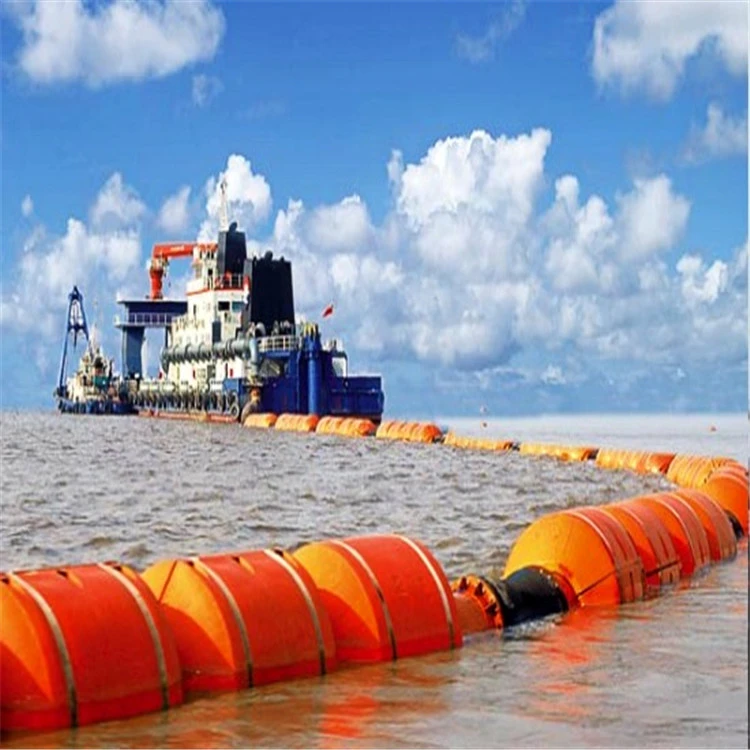
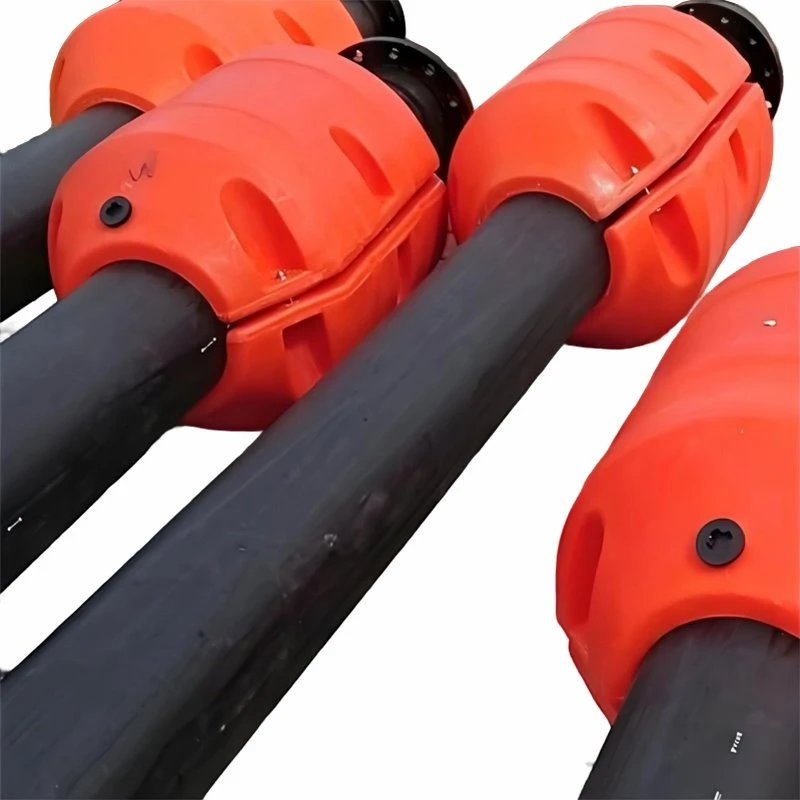
The pipeline system is what moves the dredged material from the dredge to the disposal site. It's usually made up of a series of pipes connected together. The type of pipe used depends on the specific requirements of the project. For example, Rubber Dredging Hose is flexible and easy to install, making it a popular choice for many dredging projects. UHMWPE Dredge Pipe is known for its high wear resistance, which is great for handling abrasive materials. And Hdpe Dredging Pipe is lightweight and corrosion-resistant, making it suitable for a wide range of applications.
3. The Disposal Site
This is where the dredged material ends up. The disposal site can be on land or in the water. On-land disposal sites are often used for creating new land or filling in low-lying areas. Water disposal sites are used when the dredged material is clean and can be safely deposited back into the water without causing any environmental harm.
How the Dredging System Works
Now that we know the main components, let's see how they all work together.
Step 1: Site Preparation
Before the dredging can start, the site needs to be prepared. This involves surveying the area to determine the depth and type of sediment, as well as any potential obstacles. The dredge is then positioned at the starting point of the dredging area.
Step 2: Dredging
Once the site is prepared, the dredging process begins. The cutter head on a cutter suction dredge starts rotating, breaking up the sediment. The pump then sucks the sediment through the suction pipe and into the pipeline system. On a trailing suction hopper dredge, the suction pipe trails behind the ship, sucking up the sediment as the ship moves forward.
Step 3: Transportation
The dredged material is transported through the pipeline system to the disposal site. The pipeline system is designed to minimize friction and ensure a smooth flow of the material. The pumps in the system provide the necessary pressure to keep the material moving.
Step 4: Disposal
Once the dredged material reaches the disposal site, it is deposited. On an on-land disposal site, the material is usually spread out and compacted to create a stable surface. In a water disposal site, the material is simply released into the water.
Factors Affecting the Working of a Dredging System
There are several factors that can affect how well a dredging system works.
1. Sediment Type
The type of sediment being dredged can have a big impact on the efficiency of the system. For example, soft sediment like silt and clay is easier to dredge than hard rock or gravel. The cutter head on a cutter suction dredge may need to be adjusted depending on the sediment type to ensure effective cutting.
2. Water Depth
The depth of the water also matters. Deeper water requires longer suction pipes and more powerful pumps to ensure that the sediment can be effectively sucked up and transported.
3. Environmental Conditions
Environmental conditions such as waves, currents, and tides can affect the stability of the dredge and the flow of the dredged material. The dredging operation may need to be adjusted to account for these conditions.
Benefits of Our Dredging Systems
As a supplier of dredging systems, we offer a range of high-quality products that are designed to meet the specific needs of our customers. Our dredging systems are efficient, reliable, and easy to operate. They are also built to last, with high-quality materials and components that can withstand the harsh conditions of dredging operations.
We understand that every dredging project is unique, which is why we offer customized solutions. Our team of experts can work with you to design a dredging system that is tailored to your specific requirements. Whether you need a small-scale dredge for a local project or a large-scale system for a major infrastructure development, we've got you covered.
Contact Us for Your Dredging Needs
If you're in the market for a dredging system, we'd love to hear from you. Our team is ready to answer any questions you may have and help you find the perfect solution for your project. Whether you're a contractor, a government agency, or an environmental organization, we can provide you with the products and support you need to get the job done right.
So, don't hesitate to reach out and start a conversation. Let's work together to make your dredging project a success!
References
- Smith, J. (2020). Dredging Technology: Principles and Applications. Elsevier.
- Johnson, R. (2019). Environmental Impacts of Dredging Operations. Springer.
- Brown, A. (2018). Pipeline Design for Dredging Systems. Wiley.


