


Hey there! As a supplier of dredging systems, I've seen firsthand the wide range of dredging systems out there. In this blog, I'm gonna break down the different types of dredging systems, their features, and where they're best used.
Mechanical Dredging Systems
Let's start with mechanical dredging systems. These are like the workhorses of the dredging world. They use mechanical means to dig up and remove sediment from the bottom of water bodies.
Bucket Ladder Dredgers
Bucket ladder dredgers are pretty cool. They've got a series of buckets attached to a ladder-like structure. This ladder is lowered into the water, and as it rotates, the buckets scoop up sediment. These dredgers are great for digging in hard or rocky soils. They can handle all sorts of materials, from gravel to compacted clay. They're often used in harbor construction, where you need to dig deep and precise channels. For example, when building a new port, a bucket ladder dredger can be used to excavate the foundation for the docks.
Grab Dredgers
Grab dredgers are another type of mechanical dredger. They use a large grab or clamshell to pick up sediment. The grab is lowered to the bottom of the water, and then it closes around the sediment and lifts it out. These dredgers are really flexible. They can work in small areas or in places with irregular shapes. You'll often see them in marinas or small waterways, where they can clean up sediment without disturbing the surrounding area too much.
Hydraulic Dredging Systems
Now, let's move on to hydraulic dredging systems. These systems use water to move sediment. They're generally more efficient and can handle larger volumes of material compared to mechanical dredgers.
Cutter Suction Dredgers
Cutter suction dredgers are one of the most common types of hydraulic dredgers. They've got a rotating cutter head at the end of the suction pipe. The cutter head breaks up the sediment on the bottom of the water, and then a powerful pump sucks up the sediment and water mixture through the pipe. This mixture is then transported to a disposal site through a pipeline. Cutter suction dredgers are really good at dredging large areas quickly. They're often used in large-scale projects like beach nourishment or maintaining shipping channels. For instance, if a beach is eroding, a cutter suction dredger can be used to pump sand from the seabed onto the beach to replenish it.
Trailing Suction Hopper Dredgers
Trailing suction hopper dredgers are a bit different. They have a long suction pipe that trails behind the vessel as it moves. The pipe sucks up sediment from the bottom of the water and stores it in a hopper on the dredger. Once the hopper is full, the dredger can either discharge the sediment at a disposal site by opening doors at the bottom of the hopper or pump it out through a pipeline. These dredgers are great for working in open waters. They can cover large areas and are often used for deep - sea dredging projects, such as maintaining deep - water shipping lanes.
Specialized Dredging Systems
There are also some specialized dredging systems that are designed for specific tasks.
Environmental Dredging Systems
Environmental dredging systems are used to remove contaminated sediment from water bodies. These systems are designed to minimize the disturbance to the surrounding environment and prevent the spread of contaminants. They often use techniques like capping or in - situ treatment to deal with the contaminated sediment. For example, in a lake that has been polluted with heavy metals, an environmental dredging system can be used to carefully remove the contaminated sediment and treat it safely.
Mining Dredging Systems
Mining dredging systems are used to extract minerals from the seabed. They're similar to hydraulic dredging systems but are optimized for mining operations. These dredgers can handle large volumes of material and are often equipped with advanced sorting and processing equipment on board. For instance, in offshore gold mining, a mining dredging system can be used to suck up sediment from the seabed and separate the gold particles from the rest of the material.
The Role of UHMWPE Dredge Pipe
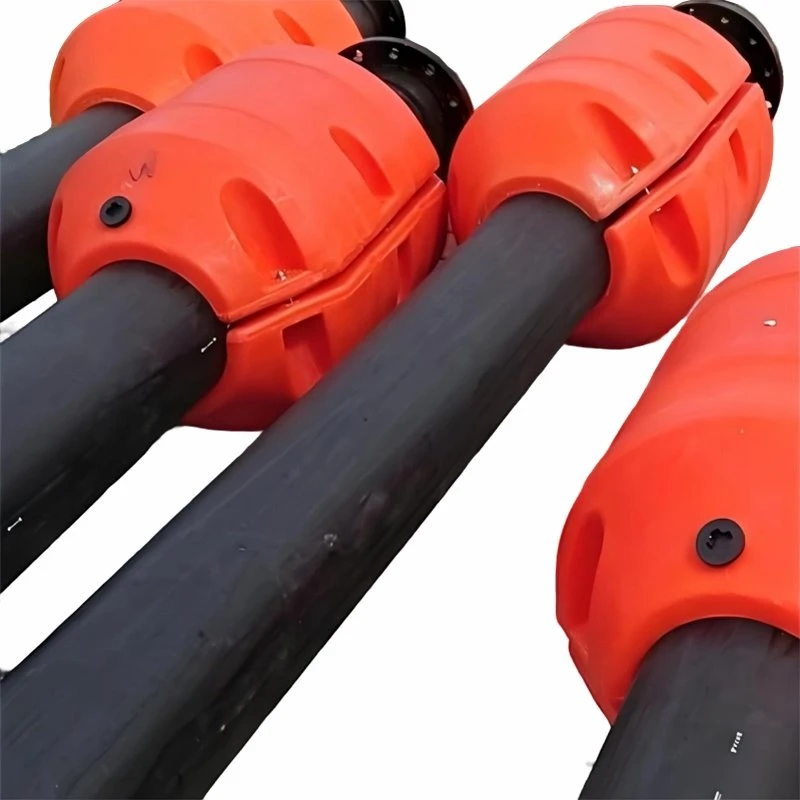
No matter which type of dredging system you're using, the right equipment is crucial. One important component is the dredge pipe. UHMWPE Dredge Pipe is a great choice for many dredging projects. UHMWPE stands for Ultra - High - Molecular - Weight Polyethylene. These pipes are lightweight, corrosion - resistant, and have excellent abrasion resistance. They can withstand the harsh conditions of dredging operations, including the high - velocity flow of sediment and water mixtures. This means they last longer and require less maintenance compared to traditional steel pipes. Whether you're using a mechanical or hydraulic dredging system, UHMWPE dredge pipes can improve the efficiency and reliability of your operations.
Choosing the Right Dredging System
So, how do you choose the right dredging system for your project? Well, it depends on a few factors. First, you need to consider the type of sediment you're dealing with. If it's hard and rocky, a mechanical dredger like a bucket ladder dredger might be the best choice. If it's soft and loose, a hydraulic dredger could be more suitable.
The size and location of the project also matter. For small, confined areas, a grab dredger or a small cutter suction dredger might work well. For large - scale projects in open waters, a trailing suction hopper dredger could be the way to go.

Another important factor is the environmental impact. If you're working in an environmentally sensitive area, you'll want to choose a dredging system that minimizes disturbance and can handle any contaminated sediment properly.
Let's Connect
If you're in the market for a dredging system, I'd love to help. As a supplier, I've got a wide range of dredging systems and equipment to meet your needs. Whether you're a small marina owner looking to clean up your waterway or a large construction company working on a major port project, I can provide you with the right solution. Just reach out, and we can have a chat about your project requirements and find the perfect dredging system for you.
References
- Dredging Manual, World Bank
- Handbook of Dredging Engineering, Van der Werf et al.


