Boron-Loaded Polyethylene (BPE): Material Properties and Engineering Applications
As nuclear energy, radiation protection, and high-end industrial equipment continue to advance, the demand for functional polymer materials with specialized performance characteristics is steadily increasing. Boron-loaded polyethylene (BPE) has emerged as a practical solution for neutron shielding applications, combining effective radiation protection with the inherent advantages of polyethylene materials.
What Is Boron-Loaded Polyethylene?
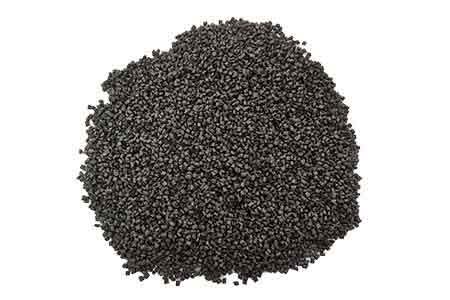
Boron-loaded polyethylene is a functional composite material produced by incorporating boron-containing compounds into a polyethylene matrix. Its fundamental design principle lies in leveraging the excellent neutron moderation capability of polyethylene-due to its high hydrogen content-together with the strong thermal neutron absorption characteristics of boron, particularly the Boron-10 isotope.
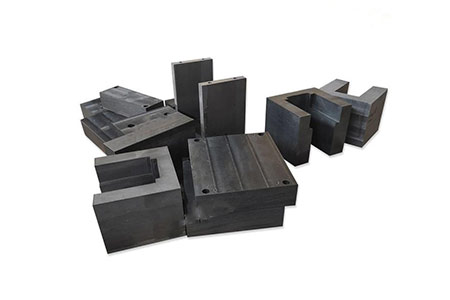
In engineering practice, boron-loaded polyethylene is typically supplied in the form of sheets, blocks, or custom-machined components. Material density, boron content, and mechanical properties can be tailored according to specific radiation protection requirements and installation environments.
Key Performance Advantages
Effective Neutron Shielding Performance
Polyethylene effectively slows fast neutrons through elastic scattering with hydrogen atoms, converting them into thermal neutrons. Boron, in turn, has a high neutron capture cross-section for thermal neutrons. This combined mechanism enables boron-loaded polyethylene to provide efficient and reliable neutron shielding, making it widely suitable for nuclear and radiation protection applications.
Good Processability and Fabrication Flexibility
Compared with traditional shielding materials such as metals or concrete, boron-loaded polyethylene retains the machinability of standard polyethylene. It can be cut, drilled, and machined using conventional tools, and can be formed through compression molding or hot pressing. This flexibility simplifies on-site installation and customization.
Structural Stability and Chemical Resistance
Boron-loaded polyethylene inherits polyethylene's excellent chemical stability, offering strong resistance to acids, alkalis, and salts in most industrial environments. In addition, its relatively low density helps reduce overall structural weight while maintaining effective shielding performance.
Balanced Mechanical Properties and Long Service Life
By carefully controlling boron content and filler dispersion, boron-loaded polyethylene achieves a balance between neutron absorption efficiency and mechanical strength. The material can maintain adequate impact resistance and dimensional stability, supporting long-term use in demanding engineering environments.
Typical Application Scenarios
Boron-loaded polyethylene is commonly used in the following fields:
Neutron shielding structures in nuclear power plants and nuclear fuel facilities
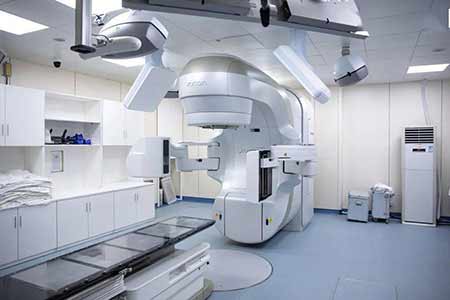
Radiation protection components in medical imaging and research laboratories
Protective housings for neutron sources, accelerators, and detection equipment
Shielding linings in high-energy physics experiments and specialized industrial systems
In many cases, boron-loaded polyethylene is integrated into composite shielding systems alongside steel structures, lead sheets, or other protective materials to achieve optimized overall radiation protection performance.
Material Development Trends and Future Outlook
With continuous improvements in material modification technologies and composite processing methods, boron-loaded polyethylene continues to evolve in terms of boron content control, filler dispersion uniformity, and overall mechanical performance. Future developments are expected to focus on higher shielding efficiency, lighter structural designs, and more customized solutions for specific engineering applications.
Overall, boron-loaded polyethylene is a well-defined functional polymer material with stable performance characteristics. As safety standards and performance requirements continue to rise across nuclear, research, and industrial sectors, its engineering value and application potential are expected to expand further.