


As a dedicated supplier of HDPE pipes for agriculture, I am often asked whether our high - density polyethylene (HDPE) pipes are suitable for use in greenhouses. In this blog, I will delve into the characteristics of HDPE pipes, the specific requirements of greenhouse environments, and explain in detail why HDPE pipes are an excellent choice for greenhouse applications.
Characteristics of HDPE Pipes
Durability
HDPE pipes are renowned for their exceptional durability. They are highly resistant to corrosion, chemical attacks, and abrasion. Unlike metal pipes, which can rust and corrode over time, HDPE pipes maintain their integrity even when exposed to harsh chemicals often used in fertilizers and pesticides in greenhouse settings. This long - lasting quality ensures that the pipes have a lower replacement rate, reducing long - term costs for greenhouse operators. For example, in agricultural scenarios where acidic or alkaline substances are prevalent, HDPE pipes can withstand these chemical environments without significant degradation.
Flexibility
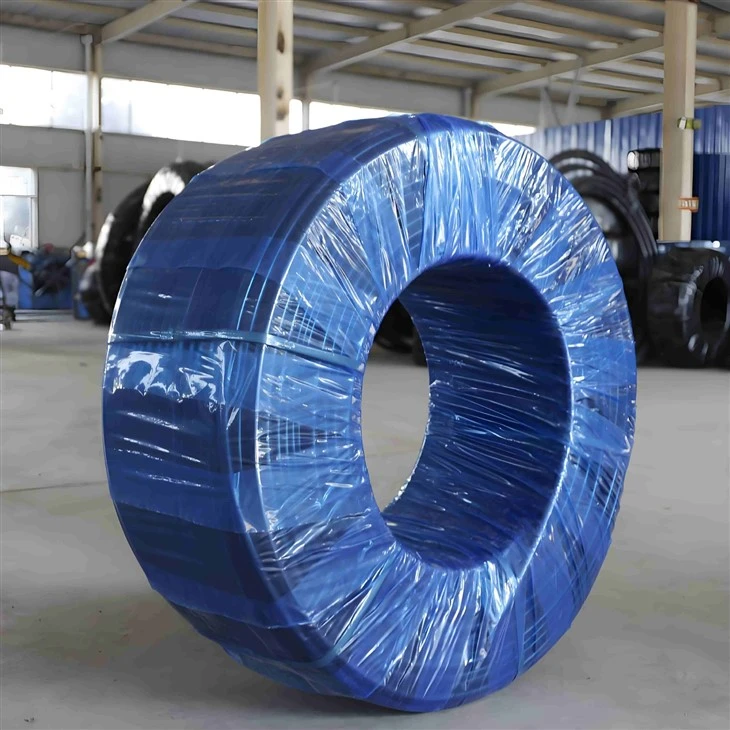
Another significant advantage of HDPE pipes is their flexibility. They can be easily bent and shaped to fit the complex layout of a greenhouse. Greenhouses often have various structural elements and equipment, and the ability to bend the pipes allows for a more customized and efficient installation. This flexibility also makes them less prone to damage from ground movement or minor impacts, which can occur during the normal operation and maintenance of a greenhouse.
Lightweight
HDPE pipes are lightweight compared to other types of pipes such as concrete or steel. This makes them easier to transport, handle, and install. In a greenhouse, where space is often limited and maneuverability may be a challenge, the lightweight nature of HDPE pipes simplifies the installation process, saving both time and labor costs. Workers can easily move and position the pipes without the need for heavy - duty equipment in most cases.
Cost - effectiveness
When considering the overall cost, HDPE pipes are a very cost - effective option. Their initial purchase price is relatively low, and their long lifespan and low maintenance requirements further contribute to cost savings. For greenhouse farmers, who need to manage their budgets carefully, the cost - effectiveness of HDPE pipes is a major selling point.
Requirements of Greenhouse Environments
Climate Control
Greenhouses are designed to create a controlled environment for plant growth. Maintaining the right temperature, humidity, and ventilation is crucial. The irrigation system, which is often connected by pipes, plays an important role in this climate control. For instance, proper watering can help regulate the temperature and humidity inside the greenhouse. The pipes used in this system need to be able to withstand the unique temperature and humidity variations within the greenhouse.
Water Distribution
Uniform water distribution is essential for the healthy growth of plants in a greenhouse. The pipes should be able to deliver water evenly to different areas of the greenhouse. They also need to be resistant to blockages, as any disruption in the water flow can lead to uneven watering and affect plant health.
Chemical Compatibility
As mentioned earlier, fertilizers, pesticides, and other chemicals are commonly used in greenhouses. The pipes must be chemically compatible with these substances to prevent degradation and ensure the safety of the plants.
Why HDPE Pipes are Suitable for Greenhouses
Meeting Climate Control Requirements
HDPE pipes have good thermal stability and can withstand a relatively wide range of temperatures. In a greenhouse, where temperatures can fluctuate from cool nights to hot days, HDPE pipes will not become brittle in cold conditions or deform in high - temperature environments. This ensures that the pipes can function properly throughout the year, regardless of the climate control needs of the greenhouse.
Ensuring Uniform Water Distribution
The smooth inner surface of HDPE pipes allows for a consistent flow of water. This helps in achieving uniform water distribution in the greenhouse. Additionally, HDPE pipes are less likely to develop internal blockages due to sediment or chemical deposits compared to some other types of pipes. This means that the irrigation system can operate efficiently, providing equal amounts of water to all plants in the greenhouse.
Chemical Compatibility
HDPE pipes are highly resistant to a wide variety of chemicals used in greenhouses, including fertilizers and pesticides. This chemical resistance ensures that the pipes do not react with these substances, protecting the integrity of the pipes and the quality of the water being delivered to the plants.
Specific Products for Greenhouse Applications
We offer a range of HDPE pipes that are ideal for greenhouse use. For example, our DN50 SDR17 HDPE Irrigation Pipe is a popular choice. The specific dimensions and pressure ratings of this pipe make it suitable for medium - sized greenhouse irrigation systems. It can handle a moderate flow of water and is easy to install.
Another option is our 2 Inch Sdr17 Hdpe Irrigation Pipe. This pipe is well - suited for larger greenhouse setups where a higher volume of water needs to be transported. Its SDR17 design provides good strength and durability, making it reliable for long - term use in a greenhouse environment.
Of course, our HDPE Irrigation Pipe series offers a variety of options to meet different greenhouse requirements. Whether it's a small - scale hobby greenhouse or a large commercial operation, we have the right pipe for the job.
Conclusion and Call to Action
In conclusion, HDPE pipes for agriculture are indeed an excellent choice for use in greenhouses. Their durability, flexibility, lightweight nature, and chemical resistance make them well - adapted to the specific requirements of greenhouse environments. They can help ensure efficient water distribution, proper climate control, and long - term reliability of the irrigation system.
If you are a greenhouse operator or are planning to set up a greenhouse, and you are interested in our HDPE pipes for your irrigation needs, we welcome you to contact us for a detailed discussion. We can provide you with customized solutions based on the size, layout, and specific requirements of your greenhouse. Our team of experts is ready to assist you in selecting the most suitable pipes and ensuring a successful installation.
References
- Smith, J. (2020). "The Use of Plastic Pipes in Greenhouse Irrigation Systems." Agricultural Irrigation Journal, 15(2), 34 - 42.
- Johnson, A. (2019). "HDPE Pipes: Properties and Applications in Agriculture." Pipe Technology Review, 22(3), 67 - 75.


