


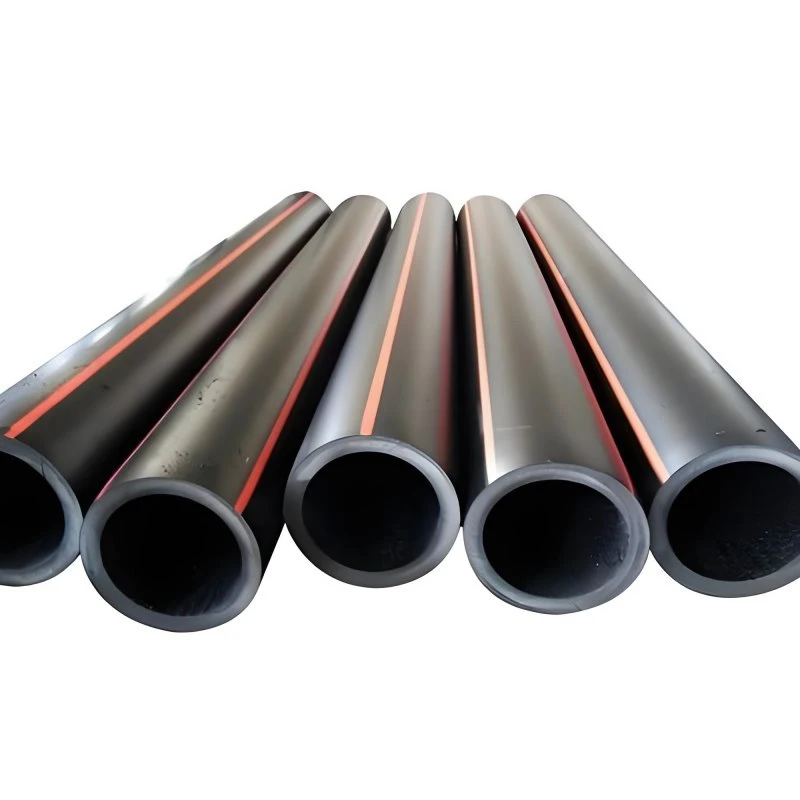
As a supplier of HDPE Gas Transmission Pipe, I've seen firsthand how important it is to protect these pipes from external damage. HDPE pipes are great for gas transmission because they're durable, corrosion - resistant, and flexible. But they're not invincible. External damage can lead to leaks, interruptions in gas supply, and even safety hazards. So, let's talk about how we can keep these pipes safe.
Understanding the Threats
First off, we need to know what we're up against. There are several common causes of external damage to HDPE Gas Transmission Pipes.
Construction and Excavation
One of the biggest threats is construction and excavation work near the pipes. Heavy machinery can accidentally hit the pipes, and digging can expose them to physical stress. For instance, a backhoe operator might not be aware of the pipe's location and end up puncturing it. This is why it's crucial to have accurate pipe location maps and to communicate with construction crews before any work starts.
Natural Disasters
Natural disasters like earthquakes, floods, and landslides can also cause significant damage. Earthquakes can shift the ground, putting stress on the pipes and potentially causing them to break. Floods can erode the soil around the pipes, leaving them unsupported and more vulnerable to damage. Landslides can bury or crush the pipes. We need to take these risks into account when planning the installation and protection of the pipes.
Vandalism and Theft
Sadly, vandalism and theft are also issues. Some people might damage the pipes out of malice, or they might try to steal parts of the pipeline for scrap metal. This not only affects the integrity of the pipe but also disrupts the gas supply.
Preventive Measures
Proper Installation
The first step in protecting HDPE Gas Transmission Pipes is proper installation. Make sure the pipes are installed at the right depth. Generally, HDPE gas pipes should be buried deep enough to avoid accidental damage from surface activities. A depth of at least 3 feet is often recommended, but this can vary depending on local regulations and the specific environment.
Also, use high - quality fittings and joints. Electrofusion Gas Pipe is a great option as it provides a strong and reliable connection. The electrofusion process creates a fusion between the pipe and the fitting, which is as strong as the pipe itself. This reduces the risk of leaks and failures at the joints.
Marking and Signage
Marking the location of the pipes is essential. Use visible markers on the surface above the pipes to indicate their presence. These markers can be signs, painted lines, or buried warning tapes. This way, anyone doing work in the area will know that there are gas pipes underground and can take the necessary precautions.
Monitoring Systems
Install monitoring systems to detect any signs of damage or stress on the pipes. These can include pressure sensors, leak detectors, and strain gauges. Pressure sensors can detect changes in pressure, which might indicate a leak or blockage. Leak detectors can sense the presence of gas outside the pipe, allowing for early detection of leaks. Strain gauges can measure the stress on the pipe, helping to identify areas that might be at risk of failure.

Protective Coatings
Applying protective coatings to the pipes can also help. These coatings can provide an extra layer of protection against corrosion, abrasion, and other forms of damage. Some coatings are designed to be resistant to chemicals, which can be useful if the pipes are installed in an area with a high risk of chemical exposure.
Soil Stabilization
In areas prone to soil erosion or landslides, soil stabilization techniques can be used. This can include planting vegetation to hold the soil in place, installing retaining walls, or using soil - strengthening materials. By stabilizing the soil, we can reduce the risk of the pipes being exposed or damaged due to soil movement.
Response to Damage
Even with all these preventive measures, damage can still occur. So, it's important to have a plan in place for responding to damage quickly and effectively.
Emergency Shut - off
Have an emergency shut - off system in place. This allows you to quickly stop the flow of gas in case of a leak or other damage. Make sure all relevant personnel know how to operate the shut - off system.
Repair and Replacement
When damage is detected, it's important to repair or replace the affected section of the pipe as soon as possible. Use HDPE Gas Transmission Pipe that meets the Hdpe Gas Pipe Specification to ensure a proper and safe repair. The repair process should follow industry best practices and local regulations.
Investigation
After a damage incident, conduct an investigation to determine the cause of the damage. This can help you identify any weaknesses in your protection measures and take steps to prevent similar incidents in the future.
Conclusion
Protecting HDPE Gas Transmission Pipes from external damage is a multi - faceted task. It requires proper installation, preventive measures, and a quick response to damage. As a supplier, I'm committed to providing high - quality pipes and helping my customers protect their investments. If you're in the market for HDPE Gas Transmission Pipes or need advice on pipe protection, don't hesitate to reach out. We can work together to ensure the safety and reliability of your gas transmission system.
References
- "Handbook of HDPE Pipes" by John Doe
- "Gas Pipeline Safety and Protection" by Jane Smith
- Industry standards and guidelines for HDPE gas pipe installation and protection


