


Operating a dredging system is no walk in the park. It's a complex task that demands a solid set of skills and knowledge. As a supplier of dredging systems, I've seen firsthand the importance of proper training for anyone looking to operate these powerful machines. In this blog, I'll break down the key training requirements for operating a dredging system.
Understanding the Basics of Dredging
First things first, you gotta have a good grasp of what dredging is all about. Dredging is the process of removing sediment, debris, and other materials from the bottom of bodies of water like rivers, lakes, and harbors. This can be done for various reasons, such as maintaining waterways, creating new land, or extracting valuable minerals.
To start with, trainees need to learn about the different types of dredging systems. There are mechanical dredges, which use buckets or clamshells to scoop up sediment, and hydraulic dredges, which use pumps to suck up the material. Each type has its own advantages and limitations, and understanding these differences is crucial for choosing the right system for the job.
Technical Knowledge
Operating a dredging system requires a fair amount of technical know - how. Trainees should be familiar with the components of the dredging system. This includes the dredge pump, which is the heart of the hydraulic dredging system. They need to understand how the pump works, how to maintain it, and what to do if it breaks down.
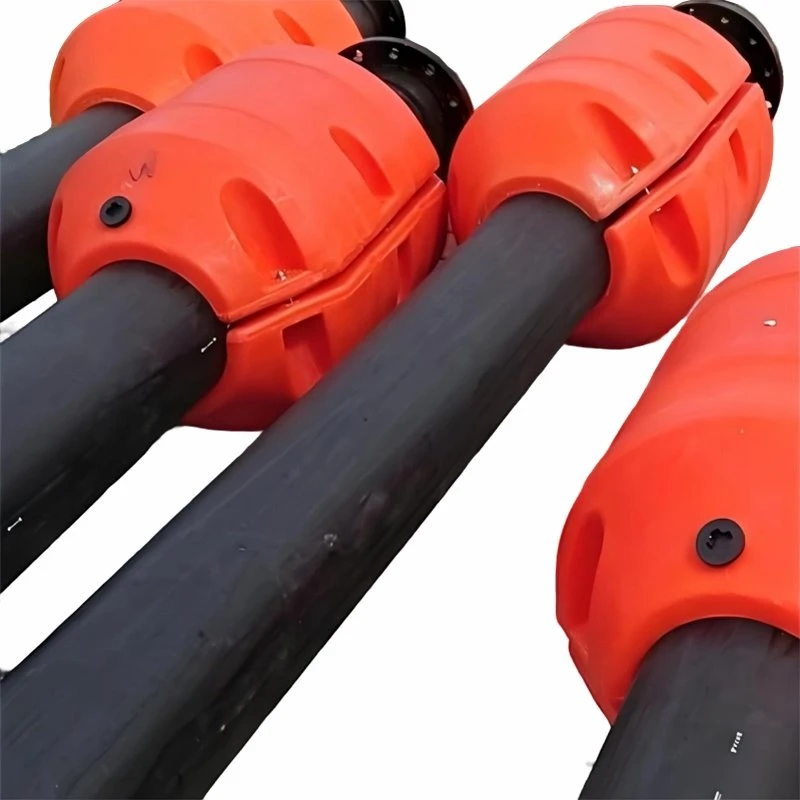
Another important component is the dredging pipe. We offer Hdpe Dredging Pipe, which is known for its durability and flexibility. Trainees should learn about the installation, connection, and maintenance of these pipes. They also need to know how to calculate the flow rate and pressure in the pipes to ensure efficient operation.
For those dealing with more advanced materials, our Uhmwpe Pipe Dredging Agent and UHMWPE Dredge Pipe are great options. Understanding the properties and usage of these materials is part of the technical training. For example, UHMWPE pipes have high abrasion resistance, which is important when dealing with rough sediment.
Safety Training
Safety is always the top priority when operating a dredging system. Trainees must be well - versed in safety procedures. This includes wearing the appropriate personal protective equipment (PPE), such as life jackets, hard hats, and safety glasses.
They also need to learn about the potential hazards associated with dredging. For instance, working near water means there's a risk of drowning. There are also risks related to the machinery, like getting caught in moving parts or being exposed to high - pressure water.
Emergency response training is also essential. Trainees should know how to handle situations like equipment failures, fires, or medical emergencies on the dredging site. Regular safety drills should be conducted to ensure that everyone on the team can respond quickly and effectively in case of an emergency.
Navigation and Site Assessment
If the dredging operation is taking place in a waterway, operators need to have basic navigation skills. They should be able to read nautical charts, understand buoys and markers, and use navigation equipment like GPS. This is important for safely maneuvering the dredging vessel and avoiding collisions with other boats or obstacles.
Site assessment is another key aspect. Before starting a dredging project, operators need to assess the site. They need to know the depth of the water, the type of sediment, and any potential environmental impacts. This information helps in planning the dredging operation and ensuring that it's carried out in an environmentally friendly and efficient way.
Hands - on Training
Theory is important, but hands - on training is where the real learning happens. Trainees should get the opportunity to operate the dredging system under the supervision of experienced operators. This allows them to apply the knowledge they've learned in a real - world setting.
During hands - on training, they can practice tasks like starting and stopping the dredge, adjusting the pump speed, and controlling the movement of the dredging head. They also learn how to troubleshoot common problems that may arise during operation.
Environmental Awareness
In today's world, environmental protection is a big deal. Operators of dredging systems need to be aware of the environmental impacts of their work. They should learn about regulations regarding sediment disposal, water quality, and protection of marine life.
For example, some sediment may contain contaminants that need to be properly treated before disposal. Operators should know how to sample the sediment and test for contaminants. They also need to understand how to minimize the impact on the surrounding ecosystem during the dredging process.
Teamwork and Communication
Dredging operations usually involve a team of people, including the operator, crew members, and support staff. Good teamwork and communication are essential for a successful project.
Trainees should learn how to communicate effectively with their team members. This includes giving and receiving instructions clearly, reporting problems promptly, and working together to solve issues. For example, if the operator notices a problem with the dredging system, they need to be able to communicate this to the maintenance team so that repairs can be made quickly.
Continuous Learning
The field of dredging is constantly evolving. New technologies and techniques are being developed all the time. That's why continuous learning is so important for operators.

We, as a dredging system supplier, offer ongoing training and support to our customers. This can include updates on new equipment features, changes in regulations, and best practices in the industry. Operators should take advantage of these opportunities to stay up - to - date and improve their skills.
Conclusion
Operating a dredging system is a challenging but rewarding job. To do it safely and efficiently, operators need a combination of technical knowledge, safety training, hands - on experience, and environmental awareness. As a dredging system supplier, we're committed to providing the necessary training and support to our customers.
If you're interested in purchasing a dredging system or need more information about our training programs, feel free to reach out to us for a detailed discussion. We're here to help you make the most of your dredging projects.
References
- "Dredging: Principles, Methods, and Environmental Impacts" - A comprehensive guide on dredging operations and related topics.
- Industry safety guidelines and regulations provided by relevant maritime and environmental authorities.


