


The wall thickness of a PE (Polyethylene) pipe elbow is a crucial factor that significantly influences its performance, durability, and suitability for various applications. As a dedicated PE Pipe Elbow supplier, I have witnessed firsthand the importance of understanding this parameter. In this blog post, I will delve into the details of the wall thickness of PE pipe elbows, exploring its significance, determining factors, and how it impacts the overall quality of the product.
Significance of Wall Thickness
The wall thickness of a PE pipe elbow plays a pivotal role in ensuring the structural integrity and functionality of the piping system. A thicker wall provides greater strength and resistance to internal and external pressures, reducing the risk of leakage, rupture, or deformation. This is particularly important in applications where the pipe is subjected to high pressures, such as in water supply, gas distribution, and industrial pipelines.

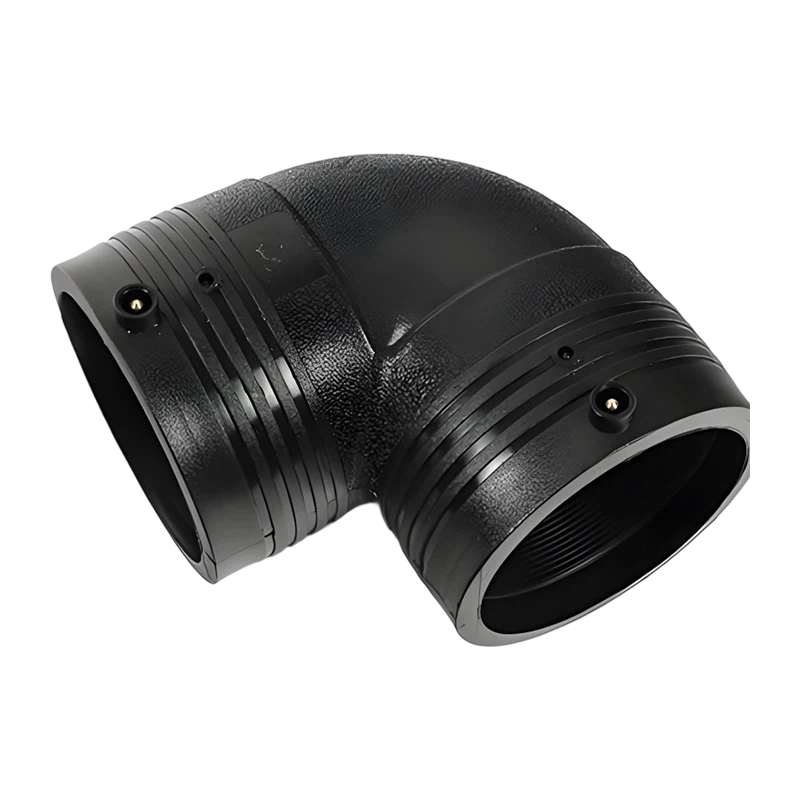
Moreover, the wall thickness also affects the pipe's ability to withstand environmental factors, such as temperature variations, chemical exposure, and mechanical stress. A thicker wall can offer better insulation and protection against these elements, extending the service life of the pipe elbow and minimizing maintenance costs.
Determining Factors
Several factors influence the wall thickness of a PE pipe elbow, including the application requirements, the operating conditions, and the standards and regulations governing the industry.
Application Requirements
The specific application for which the PE pipe elbow is intended determines the minimum wall thickness required. For example, in low-pressure applications, such as irrigation systems or drainage pipes, a thinner wall may be sufficient. On the other hand, high-pressure applications, such as oil and gas pipelines or water treatment plants, demand a thicker wall to ensure safety and reliability.
Operating Conditions
The operating conditions, such as the temperature, pressure, and fluid characteristics, also play a crucial role in determining the wall thickness. Higher temperatures and pressures require a thicker wall to prevent deformation and ensure the pipe's integrity. Additionally, the chemical composition of the fluid being transported can affect the pipe's resistance to corrosion and degradation, necessitating a thicker wall in corrosive environments.
Standards and Regulations
The wall thickness of PE pipe elbows is often regulated by national and international standards, such as the ASTM (American Society for Testing and Materials) and the ISO (International Organization for Standardization). These standards specify the minimum wall thickness requirements based on the pipe's diameter, pressure rating, and application. Compliance with these standards is essential to ensure the quality and safety of the product.
Impact on Product Quality
The wall thickness of a PE pipe elbow directly impacts its overall quality and performance. A well-designed and manufactured pipe elbow with the appropriate wall thickness offers several advantages, including:
Strength and Durability
A thicker wall provides greater strength and durability, making the pipe elbow more resistant to damage and wear. This results in a longer service life and reduced maintenance costs, as the pipe is less likely to require frequent repairs or replacements.
Leakage Prevention
A proper wall thickness ensures a tight and secure connection between the pipe elbow and the adjacent pipes, minimizing the risk of leakage. This is particularly important in applications where the fluid being transported is hazardous or environmentally sensitive.
Flow Efficiency
The wall thickness can also affect the flow efficiency of the piping system. A smoother internal surface and a consistent wall thickness reduce friction and turbulence, allowing for a more efficient flow of fluids. This can result in energy savings and improved system performance.
Our Offerings as a PE Pipe Elbow Supplier
As a leading Pe Pipe Elbow supplier, we understand the importance of providing high-quality products that meet the diverse needs of our customers. Our PE pipe elbows are manufactured using the latest technology and the highest quality materials, ensuring superior performance and reliability.
We offer a wide range of PE pipe elbows with different wall thicknesses to suit various applications and operating conditions. Our products are available in a variety of sizes and angles, allowing for easy installation and customization. Additionally, we provide comprehensive technical support and after-sales service to ensure that our customers have a seamless experience.
In addition to our Pe Pipe Elbow products, we also offer a range of HDPE Tee Fitting and Hdpe Tee Pipe Fitting solutions. These fittings are designed to complement our pipe elbows and provide a complete piping system solution.
Contact Us for Your PE Pipe Elbow Needs
If you are in the market for high-quality PE pipe elbows or other pipe fittings, we invite you to contact us for a consultation. Our team of experts will work closely with you to understand your specific requirements and recommend the most suitable products for your application.
We are committed to providing exceptional customer service and delivering products that meet or exceed your expectations. Whether you are a contractor, engineer, or end-user, we have the expertise and resources to help you find the right solution for your piping needs.
References
- ASTM International. (2023). ASTM standards for PE pipes and fittings.
- ISO. (2023). International standards for PE pipes and fittings.
- Plastic Pipe Institute. (2023). Technical resources on PE pipes and fittings.


