

What are the differences between UPVC water supply pipes and industrial pipes?
industrial pipes water supply pipes
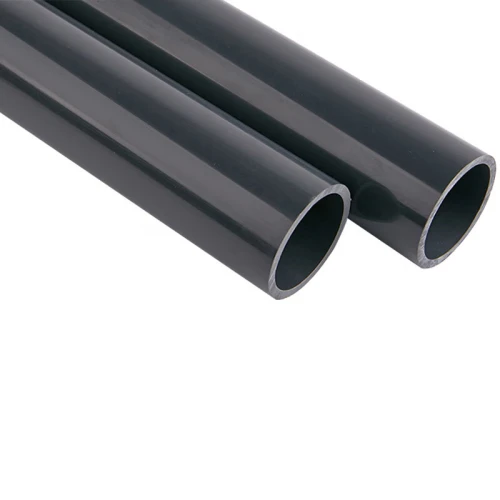
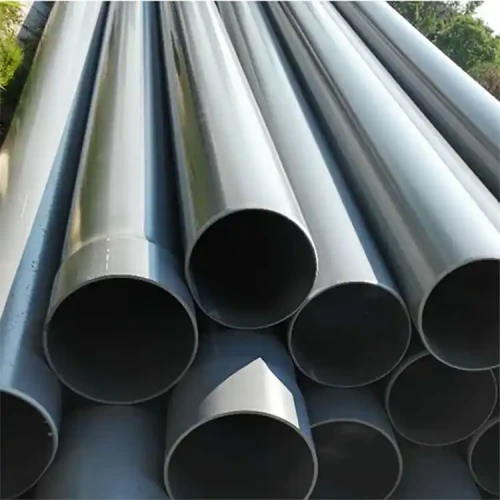
1. Application Purpose
UPVC Water Supply Pipes
Designed for potable (drinking) water distribution
Used in municipal water networks, residential plumbing, and irrigation
Must meet strict hygiene and safety requirements
UPVC Industrial Pipes
Designed for industrial fluids, including acids, alkalis, wastewater, and chemical media
Commonly used in chemical plants, power plants, electroplating, and mining industries
Not necessarily intended for potable water
2. Material Formulation
Water Supply UPVC Pipes
Made from food-grade UPVC resin
Use non-toxic stabilizers (often calcium-zinc based)
Free from heavy metals such as lead and cadmium
Certified for contact with drinking water
Industrial UPVC Pipes
Formulated for chemical and thermal resistance, not hygiene
May use different stabilizers and additives
Focus on corrosion resistance and mechanical performance
Drinking-water certification is usually not required
3. Standards and Certifications
UPVC Water Supply Pipes
ISO 1452
EN 1452
ASTM D1785
NSF/ANSI 61 (potable water safety)
UPVC Industrial Pipes
DIN 8061 / DIN 8062
ASTM D1785 / D2241 (industrial use)
Often customized to specific chemical resistance requirements
4. Pressure Rating and Wall Thickness
Water Supply UPVC Pipes
Designed mainly for internal pressure from clean water
Common pressure classes: PN6, PN8, PN10, PN12.5, PN16
Optimized for long-term hydraulic performance
Industrial UPVC Pipes
Often feature thicker walls
Designed to handle corrosive media, higher temperatures, or vacuum conditions
Pressure rating may vary depending on chemical type and operating temperature
5. Temperature Resistance
Water Supply UPVC Pipes
Recommended working temperature: 0°C to 45°C
Not suitable for hot water
Industrial UPVC Pipes
Can be formulated for higher continuous temperatures
Often paired with CPVC or special UPVC blends when temperature resistance is critical
6. Color and Markings
UPVC Water Supply Pipes
Common colors: blue, dark blue, or white
Clearly marked for potable water use
Industrial UPVC Pipes
Common colors: gray, dark gray, or customized colors
Markings emphasize chemical resistance or industrial standards
7. Connection Methods
Both Types
Solvent cement (adhesive bonding)
Rubber ring socket (push-fit)
Flange connections (for industrial systems)
Industrial Pipes
More frequently use flanged and reinforced joints due to system complexity
8. Service Life and Maintenance
Water Supply UPVC Pipes
Designed for 50+ years service life under normal conditions
Low maintenance, smooth inner wall prevents scaling
Industrial UPVC Pipes
Service life depends on chemical concentration, temperature, and pressure
Requires careful chemical compatibility analysis


