Introduction
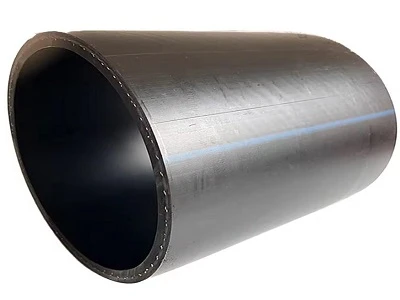
POE pipes are associated with the flexibility and elastic behavior of polyolefin elastomers, but how much do these properties actually tell us about pipe performance? From material characteristics and technical specifications to operating conditions and application suitability, several factors need to be considered before choosing a POE pipe. This article explains the key points buyers should understand and the technical data they should check before making a decision.
How Much Do You Know About POE Pipes?
A pipe may look simple from the outside. But once it is installed, its material properties can make a real difference to how it performs under pressure, temperature changes, impact, and long-term use.
POE, short for polyolefin elastomer, is known for its elastic behavior. It is used in polymer formulations where flexibility and impact performance matter. When discussing POE pipes, however, one question comes first: is POE the main pipe material, or is it blended with another polymer?
That distinction matters because the properties of a raw material do not automatically translate into the performance of a finished pipe.
What Makes POE Interesting for Pipe Applications?
Flexibility is only part of the story
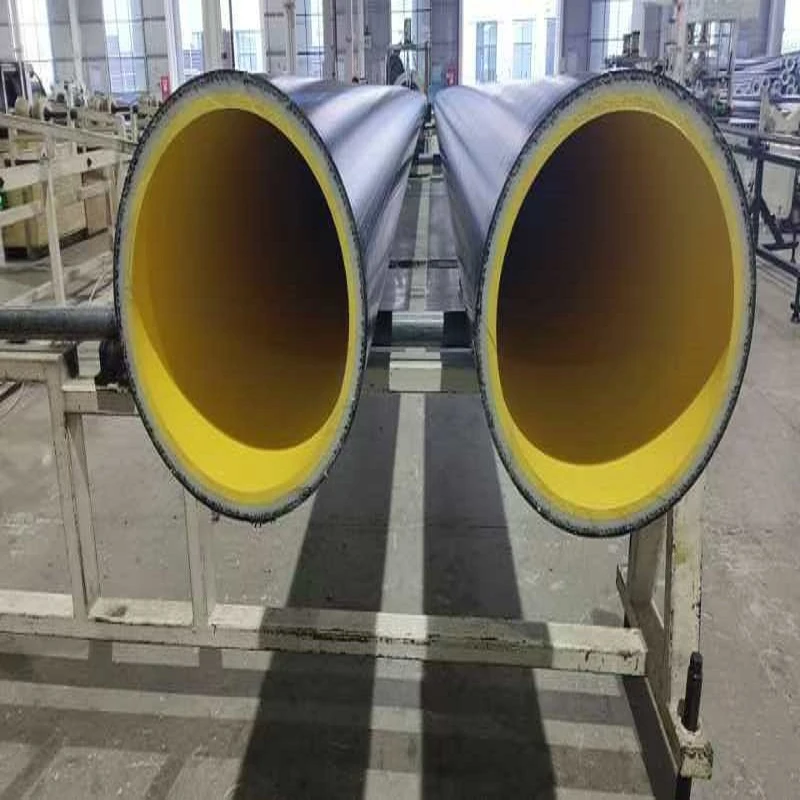
Rigid pipes work well in many installations, but some applications involve vibration, movement, or changes in environmental conditions. An elastomeric material may offer advantages where deformation and impact are concerns.
POE can contribute elasticity to a polymer formulation. The actual flexibility of a finished pipe still depends on its material composition, wall thickness, diameter, and manufacturing process.
A flexible pipe also needs enough structural stability to maintain its shape and sealing performance during operation. Flexibility alone is not a substitute for pressure resistance.
Impact performance matters during installation
Pipes can be damaged before they ever begin transporting a medium. Loading, unloading, handling, and installation all introduce potential risks.
POE is commonly used to improve impact performance in certain polymer blends. Whether a POE pipe provides the required resistance must be confirmed through tests on the actual product.
For buyers, the useful question is not simply whether a material is impact-resistant. It is whether the finished pipe can withstand the handling and operating conditions expected on site.
Temperature changes can affect performance
Polymer materials respond differently to temperature. Cold conditions may affect impact behavior, while elevated temperatures can influence stiffness and long-term pressure performance.
Some POE grades retain flexibility at low temperatures, but this does not establish the operating-temperature range of a POE pipe. The finished product must be evaluated under its intended conditions.
Chemical compatibility should never be assumed
A pipeline carrying water has different requirements from one carrying oil, a chemical solution, or an industrial process fluid.
The suitability of a POE-based pipe depends on the complete formulation, the transported medium, its concentration, and the operating temperature. Buyers should confirm compatibility before using the pipe for specialized chemical service.
POE Pipe Technical Parameters
The table below separates illustrative material-level data from the specifications required for a finished pipe. The numerical material values are examples for technical discussion, not verified specifications for a particular POE pipe.
|
Parameter |
Illustrative material value |
Unit or test condition |
|
Density |
0.89 |
g/cm³ |
|
Melt flow rate |
0.6 |
g/10 min, 190°C, 2.16 kg |
|
Tensile strength |
22 |
MPa |
|
Elongation at break |
1,000 |
% |
|
Low-temperature brittleness |
≤ −40 |
°C; test method must be confirmed |
|
Pipe outside diameter |
To be confirmed |
mm |
|
Pipe wall thickness |
To be confirmed |
mm |
|
Rated operating pressure |
To be confirmed |
MPa |
|
Operating temperature range |
To be confirmed |
°C |
The first five values are illustrative material references and must be checked against the exact resin grade and test method. They must not be presented as certified POE pipe performance.
For actual purchasing decisions, outside diameter, wall thickness, pressure rating, temperature limits, and connection details are more directly relevant to the finished product.
Where Might POE Pipes Be Suitable?
Potential applications depend on the product's actual construction and qualification. POE-based piping may be considered for specialized applications where elasticity or impact performance is important.
For industrial fluid transfer, buyers should first establish the required pressure, medium, temperature, and installation method. For buried pipelines, soil conditions and external loads also need to be considered.
POE should not automatically replace HDPE, UHMWPE, or PVC. These materials serve different purposes, and a comparison should be based on verified product data rather than general descriptions of the raw materials.
FAQ
Q1: What is POE pipe material?
POE stands for polyolefin elastomer. It is an elastomeric polyolefin material, but the exact composition of a product marketed as a POE pipe should be confirmed with the manufacturer.
Q2: Are POE pipes flexible?
Their flexibility depends on the material formulation and pipe construction. A finished-pipe test is needed to establish actual performance.
Q3: Can POE pipes operate at −40°C?
A material may have a low-temperature brittleness result at or below −40°C, but this does not automatically mean the finished pipe is approved for continuous operation at that temperature.
Q4: Can POE pipes be used for high-pressure fluid transport?
Only when the finished product has been designed and qualified for the required pressure, temperature, and service conditions.
Q5: What information should I request before buying POE pipes?
Request the material designation, outside diameter, wall thickness, pressure rating, operating-temperature limits, applicable standard, and relevant test reports.
Conclusion
POE pipes should be evaluated as finished products, not simply by the properties associated with POE resin. Flexibility, impact performance, pressure capacity, and temperature resistance all need to be considered together.
Before choosing a product, confirm its material composition and request technical documentation that matches your intended application. This is a more reliable way to assess suitability than relying on a single performance claim.
Primary Keyword: POE pipes
Secondary Keywords: polyolefin elastomer pipe, POE pipe properties, POE pipe specifications, flexible plastic pipes, industrial piping materials
Get Best Price
Have a POE pipe requirement? Share your application and technical requirements with our team so we can review the specifications needed for your project.
|
Project information |
Details to provide |
|
Product |
POE pipe |
|
Required size |
Outside diameter and wall thickness |
|
Operating conditions |
Working pressure and temperature |
|
Application |
Transported medium and installation environment |
|
Quantity |
Required length or number of pipes |
|
Technical requirements |
Applicable standards and test documents |
For more details, contact us:
Website: https://www.cnzjpipe.com/
WhatsApp: +86 19937270645
Email: baibaili456@gmail.com