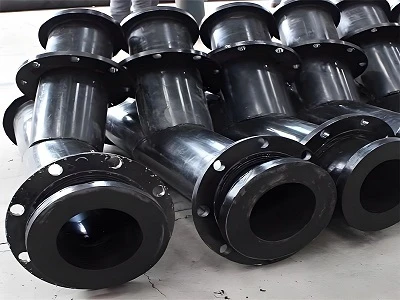
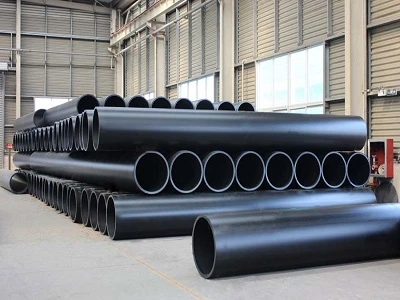
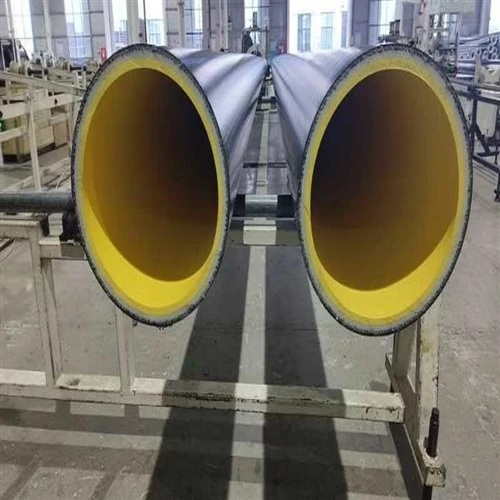
1. Why CPVC is Suitable for Water Supply
✅ Temperature Resistance
CPVC has significantly better thermal performance than standard PVC.
Continuous service temperature: typically up to 90–95°C
Suitable for both cold and hot water systems
This makes it widely used in:
Residential hot/cold plumbing
Commercial buildings
Industrial hot water distribution
✅ Corrosion Resistance
CPVC is highly resistant to:
Acids, alkalis, and salts
Electrochemical corrosion (unlike metal pipes)
This ensures:
No rust or scaling
Long-term water quality stability
✅ Good Pressure Performance
CPVC pipes are designed for pressure systems:
Common pressure ratings: PN10–PN16 (or higher depending on SDR)
Stable mechanical strength over time under proper conditions
✅ Low Thermal Conductivity
Reduces heat loss in hot water systems
Minimizes condensation in cold water lines
✅ Smooth Inner Surface
Low friction coefficient
Reduces head loss
Helps prevent biofilm and scaling buildup
2. Typical Applications
CPVC water supply pipes are commonly used in:
Domestic drinking water systems
Hot water distribution networks
Hospitals and hotels
Industrial liquid transport (non-aggressive fluids)
3. Limitations and Considerations
Despite its advantages, CPVC has some constraints:
⚠️ Impact Resistance
More brittle than HDPE or PPR
Can crack under strong impact, especially at low temperatures
⚠️ UV Sensitivity
Long-term outdoor exposure requires:
UV-resistant coating or
Insulation/protection
⚠️ Installation Requirements
Typically joined using solvent cement welding
Requires proper curing time and skilled handling
⚠️ Cost
Generally more expensive than standard PVC
Comparable or slightly higher than PPR depending on market

5. Conclusion
CPVC is a reliable and widely accepted material for water supply piping, particularly when:
Hot water service is required
Corrosion resistance is critical
Long service life and water quality are priorities
However, if your project involves:
Frequent mechanical stress
Outdoor exposure without protection
High flexibility requirements
Then alternatives like HDPE or PPR may be more appropriate.