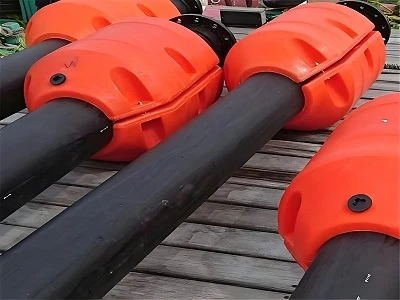
1) What Are HDPE Irrigation Pipes?
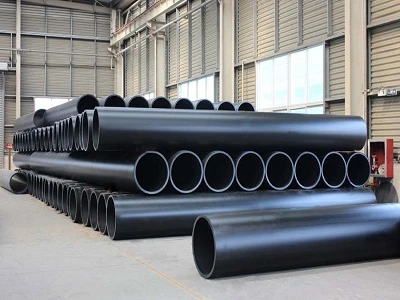
HDPE irrigation pipes are high-strength, flexible thermoplastic pipes produced by extrusion using virgin HDPE resin (PE80 / PE100). Compared with general civil HDPE piping, agricultural HDPE irrigation pipes are optimized for long-term outdoor use, including improved UV resistance, weather resistance, and aging performance.
They're commonly used for low-to-medium pressure agricultural water conveyance, including:
Drip irrigation and sprinkler irrigation mainlines
Orchard micro-irrigation water supply
Mountain/hilly terrain field water diversion
Pasture and livestock water supply
They can be installed buried or exposed, adapting well to farmland, hills, and challenging soils such as saline-alkali land.
2) Why Choose HDPE for Agricultural Irrigation? (Key Benefits)
In many irrigation systems, the biggest losses don't come from the pump-they come from leakage, friction loss, corrosion, and repeated maintenance. HDPE addresses these issues at the material and connection level.
2.1 Heat-fusion jointing: built for near "zero leakage"
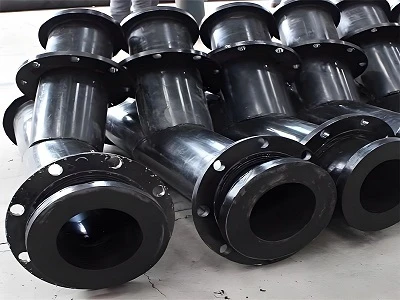
HDPE irrigation pipes use butt fusion or socket fusion to create an integrated, seamless pipeline. The joint becomes part of the pipe-reducing weak points that often fail under:
Ground settlement
Temperature fluctuation
Long-term pressure impact
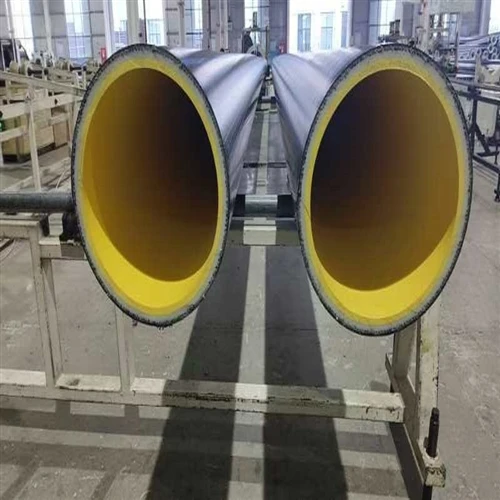
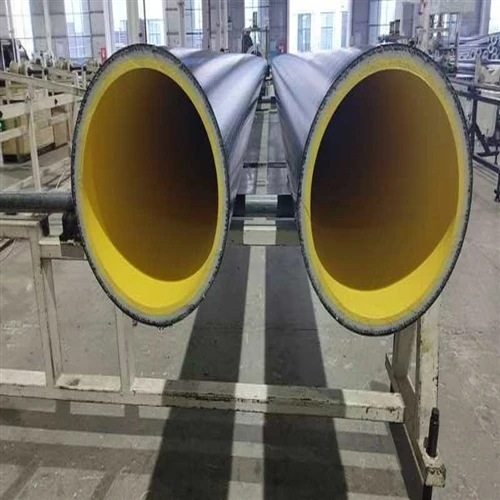
2.2 Smooth inner wall: lower resistance, higher efficiency
HDPE pipes have smooth inner walls and extremely low friction, which significantly reduces hydraulic losses. When applied to irrigation systems, the direct benefit is:
Longer conveyance distance under the same pump power
Lower pump energy consumption
Reduced risk of internal sediment buildup
2.3 Highly corrosion-resistant, suitable for harsh agricultural environments
HDPE is chemically stable, helping it resist:
Acid/alkali environments
Saline-alkali soils
Groundwater-related corrosion
It won't scale like metal, and it won't thin from rusting-supporting stable long-term performance.
2.4 Flexibility and impact resistance: better terrain adaptation
HDPE has strong flexibility and elongation, allowing it to bend naturally with field contours. That often reduces:
Excessive cutting
Too many elbow fittings
Installation complexity in hills or irregular plots
It also performs well against impact, soil pressure when buried, farm vehicle rolling, and seasonal freeze–thaw effects.
2.5 UV and aging resistance: long service life
Quality agricultural HDPE irrigation pipes are produced with carbon black UV additive and tested via oxidation induction performance.
Service life (as provided in the material context):
Up to 50 years for buried installation
10+ years for outdoor exposed installation
This is one reason HDPE is frequently selected for projects aiming to reduce replacement frequency and lifetime maintenance cost.
2.6 Lightweight and easy to handle: lower total project cost
HDPE pipes are lighter in weight, making them much easier to transport and install. In many cases, heavy equipment isn't even required-which not only saves on labor costs but also shortens construction time. Although the initial purchase price may be slightly higher than that of some other types of pipes, HDPE pipes offer a lower risk of leaks, a longer service life, and minimal maintenance. When all factors are considered, their long-term value is significantly higher.
3) Technical Specifications (Standards, Sizes, Pressure Ratings)
HDPE irrigation pipes in this guide align with commonly referenced standards and certifications:
ISO 4427
GB/T 13663
CE certification (where applicable)
If you're building a long mainline, remember: pressure rating and diameter selection are not "nice to have"-they decide whether your system runs stable during peak irrigation weeks.
4) HDPE vs PVC Irrigation Pipe (Practical Differences)
Both materials are used in irrigation, but they behave differently in the field.
Connection reliability
HDPE: heat fusion creates an integrated joint with strong leak resistance
PVC: often relies on glue joints; joints can become weak points under settlement or temperature change
Terrain and mechanical tolerance
HDPE: flexible, adapts to uneven landforms, strong impact resistance
PVC: typically more rigid, may require more fittings in complex terrain
Flow performance over time
HDPE: smooth inner wall, low resistance, less likely to accumulate deposits
PVC: widely used, but jointing and installation quality become crucial to avoid losses
For many farm owners, the question isn't "Which is cheaper today?" but "Which one avoids repeated repairs during the season?"
5) Installation Tips for HDPE Irrigation Pipes (Field-Ready Checklist)
A good pipe can still fail if installation is rushed. Based on the provided technical guidance, focus on these essentials:
5.1 Use proper heat-fusion joining
Use standard heat-fusion methods (butt fusion / socket fusion)
Keep pipe ends clean before welding
Maintain stable welding temperature during fusion
Heat fusion quality is the foundation of a leak-resistant mainline.
5.2 Buried installation: protect the pipe wall
Use fine soil bedding
Avoid sharp stones or debris that can scratch or puncture the pipe wall
The soil you put back matters as much as the trench you dig.
5.3 Exposed installation: secure and avoid long-term compression
Use pipe clamps or fixing points where needed
Prevent long-term heavy pressure on the pipe
In exposed layouts, stability and protection help preserve service life.
6) Seasonal Maintenance Recommendations (Simple Habits, Big Payoff)
The goal is not "maintenance forever"-it's maintenance that prevents the few failures that cost the whole season.
Regular operation checks
Clean filters regularly to prevent sediment-related blockage
Keep the system running with stable flow to protect irrigation uniformity
Cold season protection
Drain remaining water in the pipeline during low-temperature periods
Reduce risk of freezing damage
Farm operation safety
Avoid sharp tools or machinery contact that can scratch the pipe wall
Protect exposed lines from unnecessary impact
7) Global Applications: Where HDPE Irrigation Pipes Are Used
Because HDPE combines leak-resistant joining, chemical resistance, and terrain adaptability, it's widely used across agricultural and water-related projects, including:
Large-scale field crop irrigation (grain, cotton, vegetables)
Orchard and landscaping irrigation (fruit trees, flowers, nurseries)
Mountain and hilly area water diversion and conveyance
Pasture/livestock water supply systems
Rural water conservancy supporting pipelines (water conveyance, drainage coordination)
Aquaculture circulation water supply and drainage systems
From flat farms to rugged hillsides, the same logic applies: stable conveyance first, irrigation efficiency second, and long-term cost always.
8) Selection Guide: How to Choose the Right HDPE Pipe
Many purchasing mistakes are predictable-wrong pressure rating, wrong diameter, or low-quality recycled material. A simple selection logic helps avoid them.
8.1 Choose pressure rating based on system pressure
Flat farmland irrigation: prioritize 0.6MPa / 0.8MPa
Long-distance conveyance, high elevation drop, high-power pumps: consider 1.0MPa–1.6MPa
Avoid long-term overpressure operation that can accelerate aging or increase failure risk.
8.2 Choose diameter based on irrigation area and flow demand
Small plots / household irrigation: DN20–DN50
Small-to-medium farms or centralized irrigation: DN63–DN160
Large farms and main trunk lines: DN200+
8.3 Prioritize virgin-material, standard-compliant products
Virgin PE80/PE100 and standard compliance help reduce risk. Recycled-material pipes can have unstable performance, weaker aging resistance, and higher leakage or breakage risk-often costing more after installation.
During the irrigation season, every inch of land relies on stable water pressure and consistent water flow-without the need for emergency repairs or water wastage. HDPE steel-reinforced irrigation pipes stand out precisely because of these "quiet and reliable" characteristics.
If you are planning to build a new agricultural water supply pipeline or upgrade an existing system, please let us know, and we will provide you with a one-stop, customized solution.