Introduction
A mining slurry pipeline rarely wears out at the same rate from beginning to end. After a period of operation, maintenance workers may find that one straight section is still in reasonable condition, while a nearby bend has lost much more material. Sometimes the problem is not discovered until slurry starts leaking from a small damaged area.
Replacing that section is only part of the job. The more useful question is why it wore out in the first place. Was the slurry carrying more coarse particles than expected? Was the flow uneven? Did the damaged section sit close to a bend, reducer or pump outlet?
These details matter when selecting the replacement pipe. A new UHMWPE section needs to fit the existing pipeline, but it also needs to suit the conditions that caused the original damage.
This article explains the main considerations when removing and replacing a worn UHMWPE pipe section in a mining pipeline.

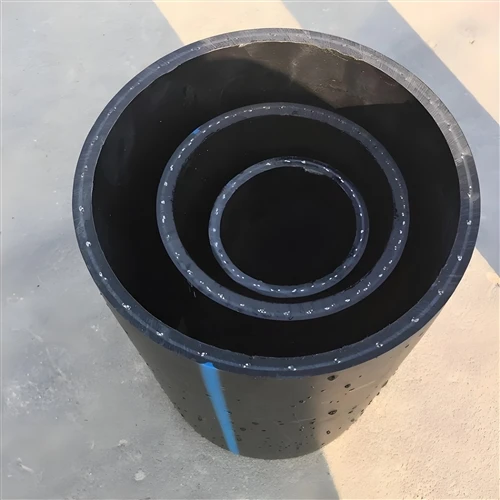
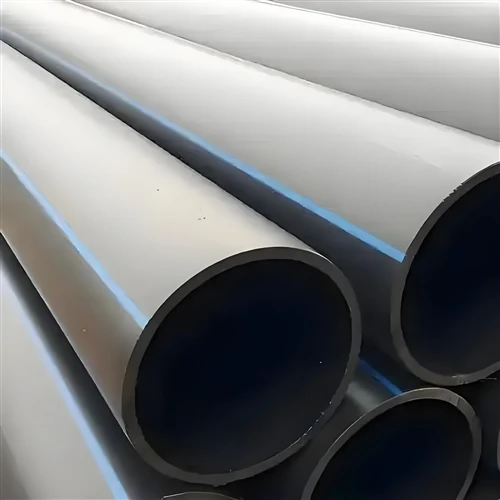
UHMWPE Pipe – Typical Product Parameters
|
Item |
Typical Information |
|
Material |
Ultra-High Molecular Weight Polyethylene |
|
Molecular Weight |
Above 1.5 million |
|
Nominal Diameter |
DN65–DN1000 |
|
Standard Length |
9 m / 12 m |
|
Pressure Rating |
PN1.0–PN10, depending on design |
|
Material Temperature Range |
Approximately -269°C to 80°C; actual operating limits require verification |
|
Applications |
Mining slurry, tailings, mineral transport and dredging |
|
Main Properties |
Abrasion resistance, low friction and impact resistance |
|
Connection Options |
Flanged, welded or project-specific connections |
The final pipe dimensions and pressure requirements should be confirmed against the project design and manufacturer's technical data.
The Damaged Area May Not Tell the Whole Story
Before ordering a replacement, look at the pipe rather than relying only on the reported leakage location.
A small hole does not necessarily mean the entire pipe section has worn evenly. In a slurry pipeline, the internal wear pattern can be quite uneven. Sand and mineral particles move with the liquid, and their distribution changes with flow velocity, particle size and pipe geometry.
Take a horizontal pipe as an example. If solid particles settle or travel more heavily along the lower part of the pipe, the bottom wall may become thinner than the upper wall. At an elbow, particles change direction and may repeatedly strike a particular area. This is one reason bends sometimes require replacement earlier than straight pipe sections.
If the pipeline has already been opened, record the condition of the old pipe before removing it from the site. Photographs of the inside surface can be useful. Where possible, measure the remaining wall thickness at different positions.
Do not decide the replacement length based only on the visible hole. The material around it may also have become too thin for continued service. The allowable remaining thickness must be determined from the pipeline design and operating requirements.
Before Cutting: Understand the Existing Pipeline
A replacement section is often manufactured away from the mine site. That means a measurement error can cause unnecessary delays once the new pipe arrives.
Measure the distance between the actual connection points, not simply the length of the damaged pipe. Check the outside diameter, wall thickness and connection arrangement. For flanged pipes, record the flange dimensions, bolt-hole positions and gasket requirements.
There is another detail worth checking: the position of the pipe supports.
Over time, supports may shift, loosen or become damaged. A pipeline that was originally straight may now have a small amount of misalignment. If the new section is manufactured to the original drawing without checking the current installation, it may not fit properly.
For this reason, take measurements at the site after the pipeline has been isolated. If the replacement section is long or has a large diameter, consider how it will be lifted into position. Nearby structures and limited working space can affect the required pipe length and installation arrangement.
Removing the Old Section Without Damaging the Remaining Pipe
The pipeline must be stopped, isolated and depressurized before dismantling begins. Slurry trapped inside the pipe should be drained through the designated discharge points. The maintenance team should follow the site's lockout and tagout procedures before any bolts are loosened or cutting work starts.
The removal method depends on the original connection.
A flanged section is generally easier to dismantle, but the bolts should not be removed carelessly. Support the pipe first, then loosen the bolts evenly. If the section is carrying an external load, releasing one side too quickly can put unnecessary stress on the remaining connection.
A welded section requires more preparation. The cutting position should leave enough material on both sides for the new connection. Avoid cutting directly at the boundary of the visibly damaged area, especially if the surrounding wall has already become thin.
Large-diameter pipe sections may need lifting equipment. Their weight and flexibility should both be considered. A pipe that bends excessively while being lifted can create difficulties when the new section is aligned.
Once the old section is removed, inspect the exposed ends of the remaining pipeline. If either end shows cracks, deformation or excessive wear, replacing only the middle section will not solve the problem.
Choosing and Preparing the Replacement Pipe
The replacement pipe should be selected according to the original design requirements, not simply by matching its nominal diameter.
Outside diameter and wall thickness determine whether the new section can fit the existing pipeline. The pressure rating must also be suitable for the actual working pressure and operating conditions. If the original pipe specification is unavailable, the maintenance team should confirm the design requirements before ordering.
Connection details deserve the same attention as the pipe dimensions.
For a flanged section, the flange standard, dimensions and bolt-hole arrangement must match the existing system. The sealing material should be suitable for the conveyed slurry. A flange that looks similar but has a different drilling pattern can create installation problems.
For a welded section, the joining procedure must be confirmed for the actual UHMWPE pipe construction. Do not assume that standard HDPE butt-fusion parameters can be transferred directly to UHMWPE. Material properties and joining methods may differ, so the manufacturer's instructions and an approved procedure should be followed.
Before installation, inspect the new pipe for transportation damage. Check the ends, external surface and connection components. If the pipe has been stored outdoors, make sure dirt and other contamination are removed from the joining or sealing areas.

Installation: A Good Fit Matters More Than Extra Tightening
Once the old section has been removed and the remaining pipe ends are ready, position the new section using suitable lifting equipment.
The first thing to look at is alignment. The replacement should sit naturally between the existing pipe ends. If the gap is too large or the flanges do not line up, check the measurements and support positions instead of forcing the connection together.
This is particularly important with flanged joints. Tightening bolts against a misaligned connection may create additional stress. The gasket can become unevenly compressed, increasing the risk of leakage after the pipeline returns to service.
Use the specified gasket and tighten the bolts evenly according to the project's procedure. For welded connections, follow the approved preparation, joining and cooling requirements. The joint should not be disturbed before the required cooling period has finished.
After the connection is complete, look at the support arrangement again. A new section should not be left hanging between two connection points. Its weight and the loads created during operation need to be carried by the designed support system.
What Should Be Checked Before Restarting?
A completed installation is not the same as an accepted repair.
Inspect the flange connections, gasket position, welds and pipe supports. Check that the replacement section has not been forced into position and that the adjacent pipeline has not moved during installation.
Any pressure or leak test must follow the project's approved procedure. The test pressure, holding time and acceptance criteria depend on the pipeline design and applicable requirements. There is no single test value that is suitable for every UHMWPE slurry pipeline.
When the inspection and required testing are complete, restart the system according to the site's operating procedure. During the initial run, pay attention to the repaired section. Leakage, unusual movement or unexpected vibration should be investigated rather than ignored.
Why Do Some Replacement Sections Wear Out Again?
This is a question worth asking after every major pipeline repair.
If a new section develops the same wear pattern after a relatively short period, replacing the pipe with another section of identical dimensions may not be enough.
Look at the operating conditions. Has the slurry concentration changed? Are the particles larger or more angular than before? Has the pump operating point changed? Is the pipeline running at a flow rate that allows solids to settle?
The position of the damaged section also matters. A pipe installed immediately after a pump, reducer or elbow may experience different flow conditions from a straight section farther downstream.
Maintenance records can help identify the pattern. Keep the old pipe's location, service period, measured wall thickness and photographs. After several inspections, the records may show that certain positions consistently require attention earlier than others.
In some cases, changing the pipeline layout or reviewing the local flow conditions may be more useful than simply increasing the wall thickness. That decision should be based on engineering calculations and actual operating data, not guesswork.
Conclusion
Replacing a worn UHMWPE pipe section is a maintenance job that starts before the old pipe is removed. Accurate measurements, an understanding of the original wear pattern and a suitable connection design all influence the result.
For mining slurry pipelines, the condition of the remaining pipe is just as important as the replacement section itself. A new pipe may solve the immediate leakage problem, but unless the reason for the original wear is understood, the same position may need attention again.
Taking a little more time to inspect the old section can make the next repair much easier to plan.
FAQ
Q: Can I replace only the damaged part of a UHMWPE pipe?
A: Yes, provided the remaining pipe on both sides is still suitable for service and the connection can be installed correctly. The cutting positions should be selected after checking the surrounding wall thickness and condition.
Q: Does a replacement UHMWPE pipe need to have the same wall thickness as the old one?
A: Not necessarily. The new wall thickness should meet the pipeline's design requirements and operating conditions. If the original pipe wore out earlier than expected, the specification may need to be reviewed.
Q: Which areas of a mining slurry pipeline need more frequent inspection?
A: Elbows, reducers, pump outlets and sections where the flow direction changes are worth checking carefully. The bottom of horizontal pipes should also be inspected for uneven wear.
Q: Can UHMWPE pipe and HDPE pipe use the same welding procedure?
A: Not automatically. Their material properties differ, and the joining procedure must be suitable for the specific pipe material and construction. Confirm the method with the manufacturer before carrying out the work.
Q: What should I send a manufacturer when requesting a replacement UHMWPE pipe?
A: Provide the pipe diameter, wall thickness, length, pressure requirement, connection details and operating conditions. Photos of the damaged section and existing flange arrangement can help avoid specification errors.
About Luoyang Zhengju New Materials Technology Co., Ltd.
Luoyang Zhengju New Materials Technology Co., Ltd. is a China-based manufacturer of industrial plastic piping systems, including UHMWPE, HDPE, SRTP and PVC pipes for mining, water transmission, drainage and industrial applications.
We supply customized pipe dimensions and connection configurations according to project requirements.
Website: https://www.cnzjpipe.com/
Email: baibaili456@gmail.com
WhatsApp / WeChat: +86 19937270645
Contact Ines for product specifications, technical information and project quotations.
Add a practical replacement checklistStrengthen the mining buyer takeaway