Introduction
RTP and SRTP are sometimes mentioned together when engineers discuss reinforced plastic pipelines. The names sound similar, but they do not necessarily describe the same pipe construction.
RTP is a broad term for reinforced thermoplastic pipe. Different products may use different reinforcement materials and structural designs. SRTP refers to steel-wire-reinforced polyethylene composite pipe, which uses a steel wire mesh embedded between polyethylene layers.
This difference becomes important when selecting a pipe for a pressure pipeline. The reinforcement is part of the pipe wall design, not simply an additional material. Buyers need to understand how the pipe is constructed, what medium it will carry and how it will connect to the pipeline system.
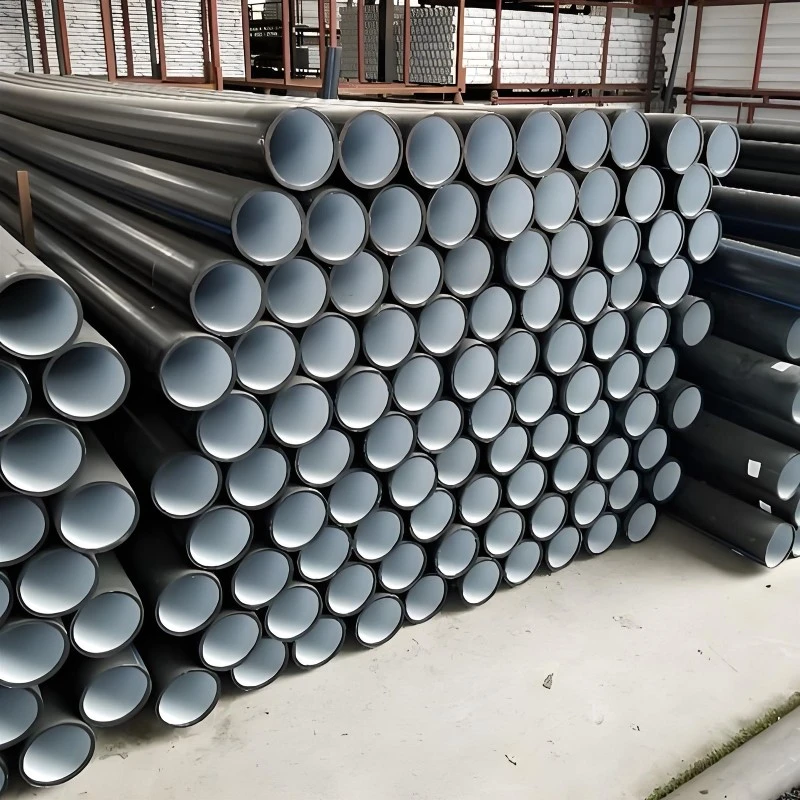
The Structure of an SRTP Pipe
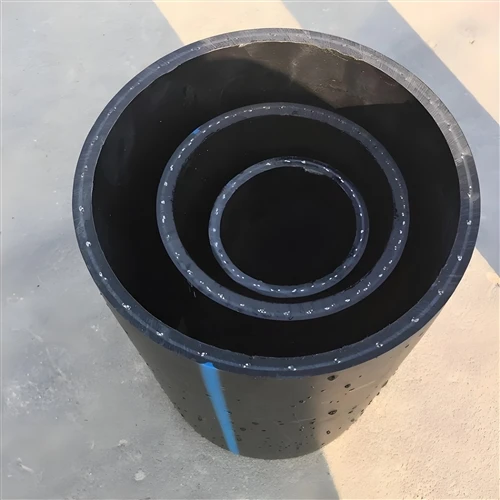
An SRTP pipe has three main structural layers.
The inner layer is polyethylene. This is the surface that comes into contact with the transported medium. For water transmission, it provides the internal flow surface. Its compatibility with the medium should still be checked against the actual operating conditions.
Inside the pipe wall is a steel wire mesh reinforcement layer. The mesh is embedded in the polyethylene composite structure. It does not directly contact the water or other transported medium.
The outer layer is also polyethylene. It covers the reinforcement and forms the external surface of the pipe.
In other words, the steel wire mesh is not an exposed metal lining or a separate steel pipe inside the PE pipe. It is part of the composite wall.
This arrangement allows the polyethylene layers and the reinforcement structure to perform different functions within one pipe. The PE inner layer contacts the medium, the steel wire mesh contributes to the structural design, and the PE outer layer covers the composite structure.
RTP and SRTP Are Not Interchangeable Terms
The main difference is the way the reinforcement is defined.
RTP is used for a wider range of reinforced thermoplastic pipes. Depending on the product, the reinforcement may be made from high-strength fibers or other materials. The exact construction needs to be confirmed from the manufacturer's technical documentation.
SRTP has a more specific structure. It uses a steel wire mesh reinforcement layer within a polyethylene composite pipe wall.
|
Item |
RTP |
SRTP |
|
Meaning |
General term for reinforced thermoplastic pipe |
Steel-wire-reinforced polyethylene composite pipe |
|
Reinforcement |
Depends on the product design |
Steel wire mesh |
|
Main structure |
Thermoplastic pipe with a reinforcing structure |
PE inner layer, steel wire mesh layer and PE outer layer |
|
Contact with medium |
Usually the thermoplastic inner layer |
PE inner layer |
|
Information needed for selection |
Reinforcement material and detailed pipe construction |
Pipe dimensions, pressure rating and reinforcement structure |
|
Connection |
Depends on the specific pipe system |
Commonly uses compatible electrofusion fittings; confirm the system design |
A comparison based only on the words RTP and SRTP can be misleading. Even products within the RTP category may have different constructions. The product specification is what matters when comparing suppliers.

Why Is Steel Wire Used in SRTP?
The steel wire mesh is included as a reinforcement layer in the composite pipe wall. It contributes to the pipe's structural design when the pipeline operates under internal pressure.
However, the presence of steel wire alone does not determine the pressure rating. Pipe dimensions, the arrangement of the reinforcement and the overall composite construction all need to be considered. The rated working pressure should be taken from the manufacturer's confirmed product specifications.
For buyers, this means that a general description such as "steel wire reinforced" is not enough. It is worth checking the actual pipe structure, nominal diameter, pressure rating and relevant test documents before placing an order.
The same applies when comparing products from different manufacturers. Two pipes may use the same general material description but have different specifications and construction details.
Where Can SRTP Be Used?
SRTP can be considered for pressure pipeline projects where a reinforced polyethylene composite pipe is required. Whether it is suitable depends on the project conditions rather than the product name alone.
|
Application |
Details to confirm |
|
Municipal water transmission |
Design pressure, diameter, jointing method and installation requirements |
|
Industrial water supply |
Water quality, operating temperature and pressure |
|
Mine water pipelines |
Water characteristics, installation environment and operating conditions |
|
Long-distance water transmission |
Pipeline pressure conditions, route profile, joints and installation method |
|
Industrial pipeline networks |
Transported medium, chemical compatibility and fittings |
One point deserves particular attention in mining projects: mine water and tailings slurry should not be treated as the same service. Water containing abrasive mineral particles can place different demands on a pipeline from ordinary water transmission. The material and pipe structure should be selected according to the actual medium.
SRTP should therefore not be described as a universal solution for every mining pipeline. The project specification needs to identify exactly what will be transported.
What Should Buyers Check About Product Quality?
For a composite pipe, checking the raw materials is only one part of the evaluation. The finished pipe structure also needs to meet the agreed technical requirements.
When reviewing an SRTP supplier, buyers can ask about the following items:
|
Item |
What to check |
|
Pipe dimensions |
Nominal diameter and specified dimensional tolerances |
|
Pipe structure |
PE inner layer, embedded steel wire mesh and PE outer layer |
|
Pressure rating |
Confirmed rating for the ordered pipe specification |
|
Product inspection |
Relevant inspection and test records |
|
Surface condition |
Visible defects or damage |
|
Fittings |
Compatibility with the pipe and the proposed jointing method |
|
Quality documents |
Documents required by the project or purchase contract |
The required tests and acceptance criteria should follow the applicable product standard and project documents. A general product description cannot replace the actual inspection records.
Plan the Connection Before Ordering
The pipe itself is only one part of a pipeline system. Fittings and joints need to be considered at the same time, particularly when a project includes branches, reducers, valves or connections to other pipe materials.
SRTP systems commonly use compatible electrofusion fittings. Before ordering, buyers should confirm the fitting type, dimensions and jointing requirements with the manufacturer.
It is also useful to clarify whether the supplier can provide the required fittings and whether the installation team has the appropriate equipment and experience.
Some projects may require flange connections or transitions between different pipe materials. These details should be settled according to the pipeline design. They should not be assumed to be identical for every SRTP system.
Selecting a Pipe for the Project
There is no reliable way to choose between RTP and SRTP by comparing their names alone.
For an RTP product, the buyer should first establish what reinforcement material is used and how the pipe is constructed. The term covers different designs, so the detailed specification is essential.
For SRTP, the buyer should confirm the steel wire mesh reinforcement and the polyethylene layers that make up the composite wall. The pressure rating, dimensions and compatible fittings must then be checked against the project requirements.
When requesting a quotation, provide the transported medium, pipe diameter, design pressure, operating temperature, required length, installation conditions and connection requirements. These details give the manufacturer a practical basis for checking product suitability and preparing a quotation.
Conclusion
RTP is a broad description of reinforced thermoplastic pipes. SRTP refers to a more specific construction: a polyethylene composite pipe with an embedded steel wire mesh reinforcement layer.
In an SRTP pipe, the inner PE layer contacts the transported medium, the steel wire mesh forms the reinforcement within the pipe wall, and the outer PE layer covers the composite structure.
For project selection, the important details are the actual pipe construction, pressure rating, dimensions, fittings and operating conditions. Checking these points is more useful than relying on the product name alone.
FAQ
What is the difference between RTP and SRTP?
RTP is a general term for reinforced thermoplastic pipes, and its reinforcement structure can vary. SRTP specifically uses a steel wire mesh reinforcement layer within a polyethylene composite pipe wall.
Does the steel wire mesh in SRTP contact the transported water?
No. In the SRTP structure described here, the steel wire mesh is embedded inside the composite wall. The polyethylene inner layer is in contact with the transported medium.
Does steel wire reinforcement determine the pressure rating?
Not by itself. The pressure rating depends on the complete pipe design and the confirmed product specification. Buyers should check the manufacturer's technical data and relevant test records.
Can SRTP be used for mine water pipelines?
It can be considered for mine water transmission if the pipe specification matches the project's pressure, temperature, medium and installation conditions. Tailings slurry and abrasive mineral mixtures require separate evaluation.
How are SRTP pipes connected?
Compatible electrofusion fittings are commonly used. The actual connection method should be confirmed with the manufacturer for the specific pipe system.
What information is needed for an SRTP quotation?
Provide the pipe diameter, design pressure, transported medium, operating temperature, required length, installation conditions and connection requirements. Include fitting details if the project requires them.
Request an SRTP Pipe Quotation
|
Step |
Process |
Details |
|
1 |
Send Requirements |
DN, pressure, medium, working temperature and application |
|
2 |
Specification Confirmation |
Pipe structure, pressure rating, specification and connection |
|
3 |
Quotation |
Price, lead time, packing and shipping terms |
|
4 |
Order & Production |
Contract, payment and production |
|
5 |
Inspection & Delivery |
Quality inspection and shipment |
For Steel Wire Mesh Reinforced PE Pipe (SRTP), steel wire reinforced PE pipe and mining pressure pipelines, send us:
DN + PN + Medium + Working Temperature + Installation Method + Pipeline Length + Quantity
For slurry applications:
Slurry Type + Solid Concentration + Particle Size
Luoyang Zhengju New Materials Technology Co., Ltd.
WhatsApp:+86 19937270645
Email: baibaili456@gmail.com
Wechat: +86 19937270645
Get Best Price for Your Mining Pressure Pipeline.