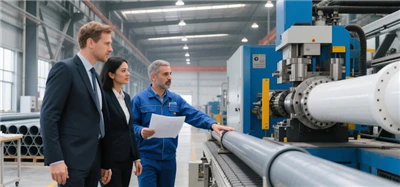
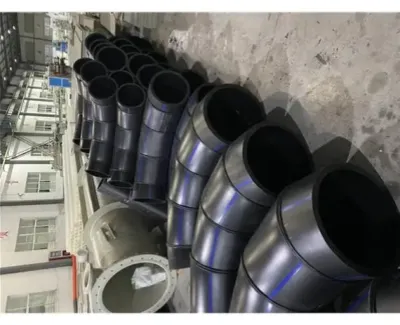
From the perspective of material properties, HDPE pipes possess excellent flexibility, corrosion resistance, and high impact resistance, enabling them to adapt to complex geological conditions and variable construction environments. In water supply and drainage, municipal pipeline networks, and agricultural irrigation systems, their good integrity and reliable interfaces help reduce leakage risks and extend the lifespan of the systems. Additionally, the smooth inner walls of HDPE pipes result in low transportation resistance, which is more conducive to maintaining stable flow conditions during long-term operation.

In practical engineering applications, the connection method of HDPE pipes has a significant impact on the stability of the system. The integral structure formed through hot-melt or electric-melt connection makes the pipeline system more stable in terms of pressure-bearing and displacement resistance, especially suitable for underground laying and long-distance transportation projects. This connection method also demonstrates obvious advantages in reducing the workload of subsequent maintenance.

Based on different application scenarios, the performance of HDPE pipes in terms of wear resistance, aging resistance and environmental adaptability is being increasingly verified by engineering practices. Whether in conventional water supply projects or in projects with high requirements for construction efficiency and operational reliability, proper selection of pipe types and standardized construction are the key factors for fully leveraging the performance advantages of HDPE pipes.
Based on continuous attention to industry development and accumulation of project experience, we have always attached great importance to the performance of HDPE pipes in practical applications. From raw material control to production process management, and to quality inspection before product delivery, all aim at stability and consistency as the core goals, striving to make the products better adapt to the long-term usage requirements of the engineering site.

Looking to the future, with the continuous improvement of engineering standards and the increasingly diverse application environments, HDPE pipes will still play a significant role in the transportation system. We will also continue to focus on product quality and application practices, constantly optimizing and improving related solutions, to provide reliable and mature HDPE pipe product support for various engineering projects.