Dawn creeps over the East Henan Plain, the air thick with the iron tang of damp soil and the faint hum of distant tractors. In a Shangqiu high-standard farmland project, HDPE irrigation pipes snake across the fields like sleek black serpents, their surfaces glistening with dew. When pressurized water bursts from a valve, it erupts into a mist that kisses the parched earth - a silent promise of renewal forged in polyethylene.
For decades, farmers here wrestled with pipes that crumbled like stale crackers. PVC cracked in winter's grip; concrete channels leaked like sieves. Old Man Li, a weathered farmer with hands gnarled as tree roots, still grimaces recalling 2023: "That cold snap turned our PVC pipes into confetti. We cried over wasted water, like mourning a dead crop."
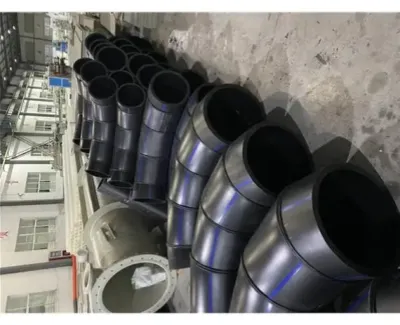
Zhengju's HDPE irrigation pipes arrived like a rubber-clad savior. Last winter, when frost bit the fields, Li crouched by a joint, poking it with a stick: "Stiff as a mule, not a crack in sight!" The secret? High-density polyethylene - tough enough to shrug off 15 years of UV burns and saline soil (corrosion), yet supple enough to survive a tractor's accidental (rollover).
At dawn, Li stands by a valve box, his calloused thumb hovering over a digital panel. "Used to flood 10 mu in a day - now? This screen tells me exactly how much water each row needs. It's like the pipe's nursing the corn, not drowning it."
The numbers don't lie: Zhengju's pipes, with inner walls smooth as a river stone (hydraulic roughness ≤0.009), slash water resistance by 30%. In Shangqiu's 10,000-mu project, that means 70% less water wasted compared to old canals. "Enough to fill 30 Olympic pools every season," grins the project engineer, patting a pipe that once survived a 3-ton harvester's accidental rollover.
But the real magic? Fusion-welded joints. Li remembers his first weld: "The machine hummed, melted the plastic - now those pipes are married, not just glued. No leaks, no fights. Just water where it needs to be."
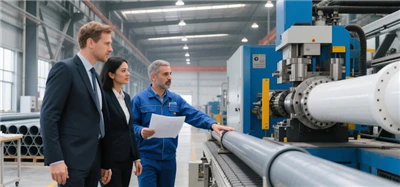
In Luoyang's factory, workers don't just "make pipes" - they chant a mantra. "Thickness tolerance? Zero slop - 0.1mm is our religion," growls a grizzled technician, eyes fixed on a laser gauge. But Zhengju's zeal extends beyond machines: their teams slog through mud to map fields, design layouts, even teach farmers to wield welders.
"We're not selling plastic. We're selling peace of mind," says Wang Tao, a Zhengju engineer who once slept in a farmer's shed to troubleshoot a valve. Last spring, when a drought threatened Anhui's wheat, Zhengju's pipes delivered water to 5,000 mu in 48 hours - "Faster than the rain gods," joked a local.
As twilight paints the fields amber, the HDPE pipes lie still, glinting like obsidian ribbons. Old Man Li flicks off the last valve, the click echoing in the quiet. "These pipes don't brag. They just work - year after year, drop after drop."
In the distance, a drone buzzes over the grid of pipes and green shoots - a silent testament to how a humble tube of polyethylene is rewiring China's farmland, one drop at a time. The revolution isn't loud. It's buried in the soil, pulsing with water and hope.