Introduction
A pipeline pressure test is often treated as the final step before commissioning. Water is introduced, pressure is increased, the specified period is observed and the results are recorded. Yet a test can produce misleading conclusions if the test section has not been prepared correctly, air remains trapped in the line, the measuring equipment is unsuitable or temperature changes are ignored.
For mining pipelines, the purpose of hydrostatic testing is not simply to produce a pressure reading. It is to verify the defined acceptance requirements for the pipeline or system under a controlled test procedure.
The correct procedure depends on the pipe material, dimensions, design conditions, applicable standard and project specification. HDPE, UHMWPE and SRTP systems should not automatically be tested using the same assumptions or acceptance criteria.
First, Define What Is Being Tested
Before filling a pipeline, establish the boundaries of the test section.
A test may cover a newly installed pipe run, a group of connected components or a larger system that includes valves, fittings and equipment. These arrangements do not necessarily have the same allowable test conditions.
The weakest component within the test boundary may determine the maximum permitted test pressure. Pumps, instruments, valves, temporary closures and other equipment must be checked against the approved procedure.
The test documentation should identify the pipeline section, pipe material, nominal dimensions, relevant design conditions, test boundaries and acceptance criteria.
It should also establish whether the procedure is a product-standard test, an installation acceptance test or a commissioning test for the complete system. These activities have different purposes and should not be confused.
Why Air Must Be Removed
Hydrostatic testing uses water to pressurize the system, but air can remain trapped at high points or within sections that are difficult to vent.
Trapped air affects the pressure response because air is compressible. It can also make the test less predictable and increase the hazards associated with stored energy. A line that has not been properly filled and vented may therefore behave differently from the test arrangement assumed by the procedure.
The filling plan should identify high points, vents, drains and other locations needed to remove air. Filling should be controlled so that air can escape rather than becoming trapped in isolated sections.
The line should not be pressurized until the responsible personnel have completed the required filling and venting checks.
The location of vents matters. A vent that is ineffective because of the pipeline geometry or valve arrangement does not guarantee that the entire section is free of significant air pockets.
Temperature Changes Can Affect Pressure Readings
Pressure records should be interpreted alongside temperature conditions.
For polymer pipelines, temperature changes can affect material behaviour and the pressure response of the system. Water temperature, pipe temperature and environmental conditions may change during a long test. These changes can complicate interpretation of pressure readings.
HDPE and other thermoplastic pipes can exhibit time-dependent deformation under sustained loading. This behaviour means that a pressure reading may change over time even when no visible leakage is present. The significance of the change depends on the material, test procedure, temperature and applicable acceptance criteria.
The test procedure should therefore define the required stabilization, pressurization and observation stages. Operators should not decide that a test has failed or passed simply because the pressure gauge has changed by an arbitrary amount.
For a specific project, follow the applicable product standard, installation standard and approved test method. Do not transfer acceptance criteria from a rigid steel pipeline test to a polymer pipeline without confirming that they apply.
Select and Check the Test Instruments
Pressure measurements are only useful when the instrument is suitable for the test.
The gauge or pressure sensor should have an appropriate measurement range, resolution and accuracy for the required test conditions. An instrument with a range that is far higher than the test pressure may make small changes difficult to distinguish, while an unsuitable instrument may not provide the accuracy required by the procedure.
The instrument should be checked and calibrated or verified as required by the project specification. The calibration status, identification and measurement range should be recorded.
Where the procedure requires additional temperature or pressure monitoring, the instruments should be installed in locations that provide representative measurements.
The test record should identify the equipment used and the relevant calibration information. A pressure value without traceable instrument details may be difficult to defend during technical review.
Inspect the Pipeline Before Pressurization
Before testing, inspect the installation against the approved drawings and test procedure.
Confirm that the required joints have been completed and inspected, temporary closures are suitable, the test section is isolated correctly and all components within the test boundary are rated for the planned test conditions.
Check supports, anchors and restraints where applicable. A pipeline should not be allowed to move unpredictably as pressure changes. Temporary closures and end restraints can be exposed to substantial forces and must be designed and installed for the test.
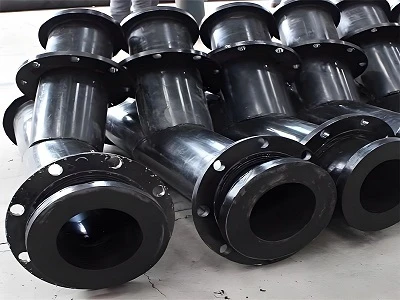
For flanged connections, verify the specified gasket arrangement, bolt installation and alignment. For fused HDPE joints, confirm that the required cooling and inspection steps have been completed before the test begins.
The test area should be controlled according to the project's safety procedure. Personnel should not stand in line with temporary closures or enter hazardous areas while the system is being pressurized.
Pressurization Must Follow the Approved Procedure
The pressure should be increased using the sequence and rate specified by the applicable procedure. The test team should not improvise the pressure steps or observation period.
The procedure should define the target pressure, any intermediate stages, stabilization requirements, inspection points and acceptance criteria. It should also state what to do if abnormal movement, leakage, unexpected pressure behaviour or equipment problems occur.
If the pressure response is unusual, the team should follow the approved troubleshooting procedure. Simply increasing the pressure to compensate for a changing reading can obscure the cause and create an unsafe condition.
The test must also remain within the permitted limits of every component included in the test boundary. If the system contains components with different pressure limitations, the test arrangement may need to be modified or sections tested separately.
What Does a Pressure Drop Mean?
A pressure drop is an observation, not a complete diagnosis.
Potential explanations include leakage, temperature change, material response, trapped air, instrument issues or a problem with the test setup. These possibilities cannot be distinguished reliably from a single reading.
The test record should show the pressure and temperature observations, the timing of each reading, any visible leakage and any adjustments or interruptions made during the test.
If the result falls outside the acceptance criteria, the team should investigate the cause before repeating the test. A repeat test should follow the approved procedure and should not be used to conceal an unresolved defect.
Where a leak is identified, the affected component or joint should be assessed and repaired or replaced according to the applicable requirements. The repaired section should then undergo the required inspection and retesting.
Hydrostatic Testing for Different Pipe Materials
Although the general preparation principles overlap, the actual test requirements differ by product and installation.
|
Pipe Type |
Important Considerations |
|
HDPE |
Material response under sustained pressure, joint integrity, temperature and the applicable test procedure |
|
UHMWPE |
Confirmed product pressure limits, dimensions, flange connections and the specified test method |
|
SRTP |
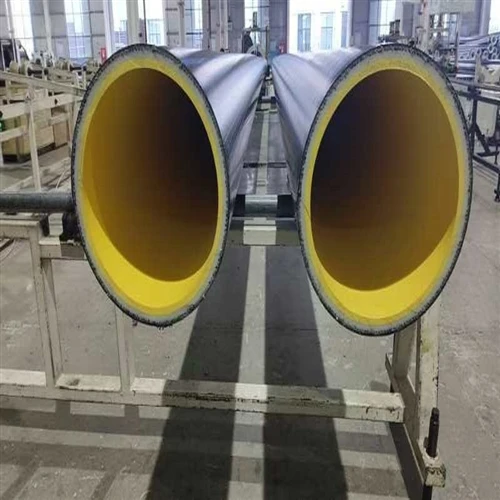
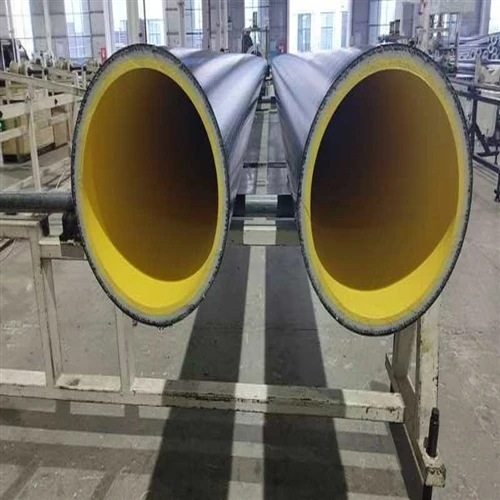
Composite product requirements, connection design, reinforcement structure and applicable pressure-test criteria |
This table is a general planning guide. It does not specify test pressures, holding times or acceptance limits. Those values must come from the applicable standard, manufacturer documentation and project specification.
What a Good Test Record Should Contain
A complete test record should allow another engineer to understand what was tested and how the result was evaluated.
|
Record Item |
Required Information |
|
Test identification |
Project, pipeline section and test date |
|
Pipe details |
Material, dimensions and relevant product identification |
|
Test boundaries |
Section limits, isolation points and included components |
|
Procedure |
Applicable standard, approved method and acceptance criteria |
|
Instruments |
Identification, measurement range and calibration status |
|
Test conditions |
Recorded pressure, temperature and relevant environmental conditions |
|
Observations |
Leakage, visible movement, unusual pressure behaviour and interruptions |
|
Final result |
Pass or fail against the specified criteria, including any required corrective action |
|
Approval |
Responsible personnel and required inspection sign-off |
The record should distinguish measured values from estimates and should identify deviations from the approved procedure.
Conclusion
Hydrostatic testing is only meaningful when the test boundary, preparation, instruments, operating sequence and acceptance criteria are properly defined.
For mining pipelines, the test procedure must reflect the actual pipe material and system design. Air removal, temperature monitoring, joint inspection, instrument suitability and pressure records all contribute to a result that can be interpreted with confidence.
Contractors should establish the test method before filling the pipeline, not after an unexpected reading appears. When the procedure and records are clear, the test provides stronger evidence that the installed pipeline meets the project's specified acceptance requirements.
FAQ
1. Can all mining pipe materials use the same hydrostatic test procedure?
No. The procedure and acceptance criteria depend on the pipe material, product design, applicable standards and project requirements.
2. Why is trapped air a concern during hydrostatic testing?
Air is compressible and can affect the pressure response and stored-energy hazards. The test section should be filled and vented according to the approved procedure.
3. Does a pressure drop always mean that the pipe is leaking?
No. Leakage is one possible cause, but temperature changes, material response, instrument problems and test setup issues can also affect readings. The cause must be investigated.
4. Should the test pressure be chosen by the contractor on site?
No. The test pressure and procedure should be established in the approved documentation using the applicable standards, product limits and project design.
5. What documents should be retained after testing?
Retain the approved procedure, test-section identification, instrument details, pressure and temperature records, observations, acceptance decision and any corrective-action or retest documentation required by the project.
Primary Keyword: mining pipeline hydrostatic testing
Secondary Keywords: HDPE pipe pressure testing, mining pipeline commissioning, polymer pipe hydrostatic test, pipeline test pressure records, SRTP pipe testing, pipeline air removal, mining pipeline inspection